





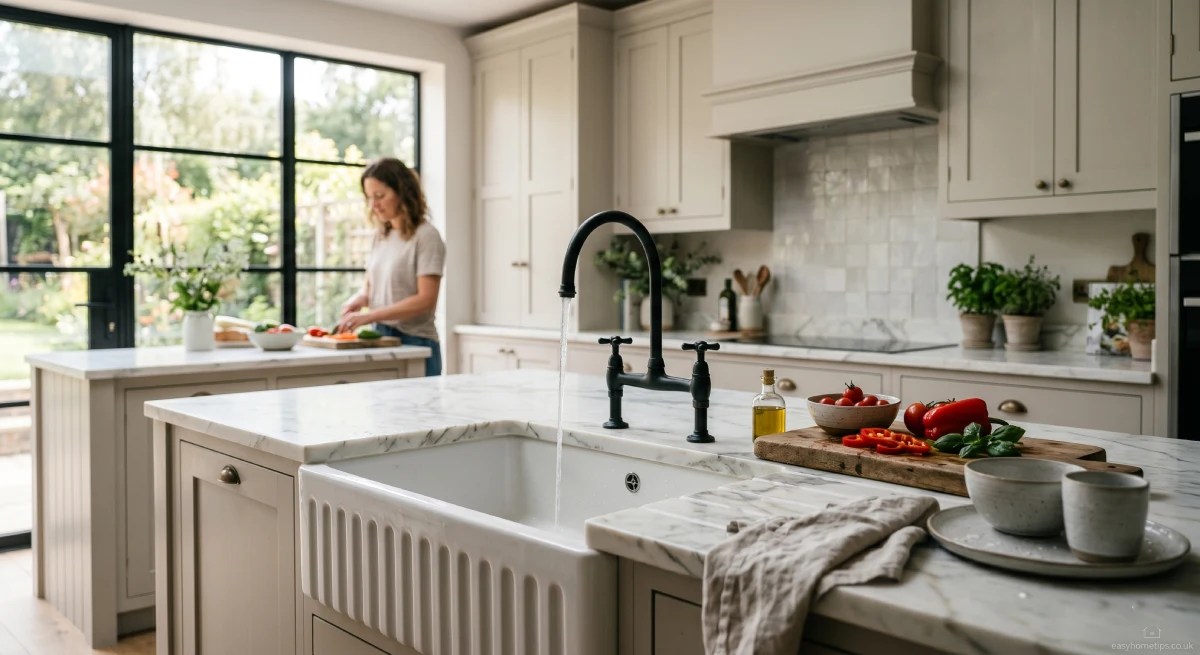
Picking the best kitchen sink sounds simple — until you’re standing in a showroom staring at dozens of options. The right sink can make your daily routine faster, cleaner, and more enjoyable. The wrong one? A daily frustration. Whether you’re doing a full kitchen remodel or just upgrading an old fixture, finding the best kitchen sink is one of the smartest investments you can make.
In this guide, we’ll walk you through everything you need to know — from sink materials and mounting styles to basin configurations and size guides — so you can shop with confidence.
1. What Makes the Best Kitchen Sink?
Not all sinks are created equal. The best kitchen sink balances three things: durability, function, and style. Before diving into specific models, it helps to understand what separates a great sink from an average one.
Key Features to Look For
Here are the features that matter most when choosing a high-quality kitchen sink:
- Material strength — resists dents, scratches, and staining
- Depth — deeper basins handle large pots more easily
- Noise reduction — padded undersides reduce clanging sounds
- Drain placement — rear drains maximize usable basin space
- Finish quality — protects against water spots and discoloration
A durable kitchen sink should also be easy to clean. Smooth surfaces with fewer crevices mean less scrubbing over time. Think about how you actually use your sink every day — do you soak large baking sheets? Rinse vegetables often? Those habits should guide your choice.
Why Material Matters Most
The sink material is the single biggest factor in long-term performance. It affects how the sink looks, feels, sounds, and holds up over years of use. We’ll break down the top options in detail below.
2. Best Kitchen Sink Materials Compared
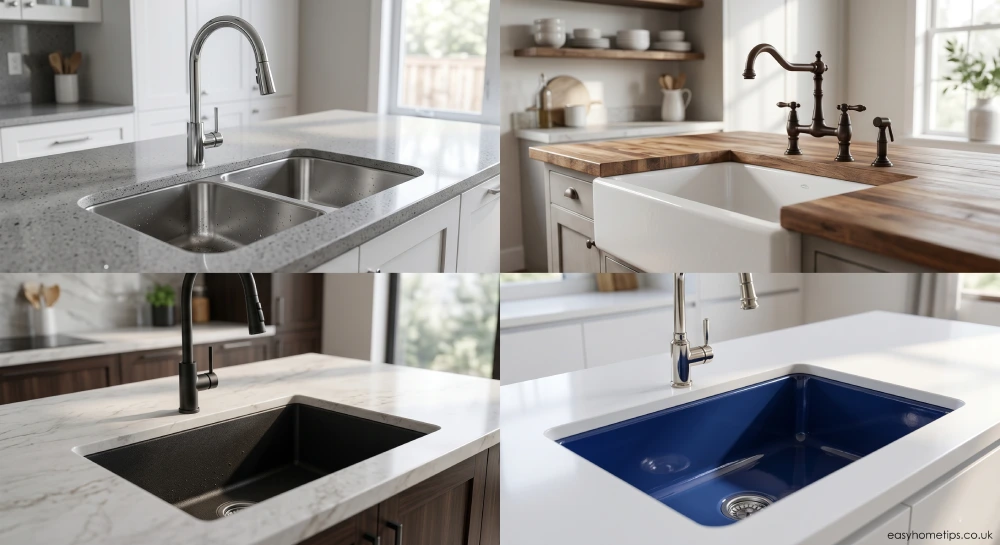
Choosing the right kitchen sink material is the foundation of a smart purchase. Each option has real trade-offs worth knowing.
Stainless Steel
Stainless steel kitchen sinks are the most popular choice for good reason. They’re affordable, lightweight, and incredibly easy to clean. A 16-gauge stainless sink is the sweet spot — thick enough to resist dents, light enough to install without extra support.
The downside? They can show water spots and scratches over time. Look for sinks with a brushed finish to hide minor scuffs.
Fireclay
Fireclay sinks are fired at extremely high temperatures, which makes them dense, non-porous, and highly resistant to chips and stains. They have a classic, heavy look that pairs beautifully with farmhouse-style kitchens. They are heavier than stainless and usually more expensive, but the longevity is hard to beat.
Composite Granite
Composite granite sinks blend crushed granite stone with acrylic resin. The result is a tough, matte-finish sink that resists heat, scratches, and stains better than most materials. They come in a wide range of colors, making them a favorite for design-focused homeowners.
Cast Iron
Cast iron kitchen sinks are coated with a thick layer of porcelain enamel. They’re extremely heavy and very durable, with a smooth, glossy surface. Colors stay vibrant for decades. The main drawback is weight — your cabinet must support it properly.
| Material | Durability | Cost Range | Best For |
|---|---|---|---|
| Stainless Steel | High | $ – $$ | Everyday use, modern kitchens |
| Fireclay | Very High | $$$ | Farmhouse, classic styles |
| Composite Granite | High | $$ – $$$ | Color variety, busy households |
| Cast Iron | Very High | $$$ | Traditional, long-term investment |
| Acrylic/Resin | Moderate | $ | Budget-friendly, lightweight |
3. Top Kitchen Sink Mounting Styles Explained
How your sink mounts into the counter is just as important as what it’s made of. The mounting style affects installation difficulty, cleaning ease, and overall look.
Undermount Sinks
Undermount kitchen sinks install below the countertop, so there’s no rim sitting on the surface. This makes countertop cleanup a breeze — just wipe crumbs directly into the basin. They look sleek and modern and work best with stone or solid-surface countertops.
Drop-In / Top-Mount Sinks
Drop-in sinks (also called top-mount sinks) sit on top of the counter with a visible rim. They’re the easiest to install and fit into almost any countertop material. They’re a great budget-friendly option, though the rim can collect grime over time.
Farmhouse / Apron-Front Sinks
Farmhouse kitchen sinks have a large exposed front panel (the apron) that extends beyond the cabinet face. They’re deep, wide, and visually striking. This style is ideal for homeowners who want a design centerpiece and frequently handle large pots and pans.
Flush-Mount Sinks
Flush-mount sinks sit perfectly level with the countertop. They’re seamless, sanitary, and great for accessibility. They require precise installation but deliver a super clean look.
4. How to Choose the Right Kitchen Sink Size
Size is where a lot of people make costly mistakes. The best kitchen sink for your home depends on your counter space, cabinet size, and daily habits.
Single vs. Double Basin
Single-basin sinks offer one large, uninterrupted workspace. They’re perfect for washing big items like sheet pans, mixing bowls, and stock pots. Double-basin sinks split the space into two compartments — ideal for multitasking, like soaking dishes on one side while prepping vegetables on the other.
Standard Sink Dimensions
- Small kitchens: 24–27 inches wide
- Medium kitchens: 30–33 inches wide
- Large kitchens: 36–42 inches wide (farmhouse or double basin)
Basin depth is equally important. A 9–10 inch deep sink is ideal for most households and keeps splashing to a minimum while still fitting large cookware.
Cabinet Size Compatibility
Always measure your base cabinet before buying. A 33-inch sink typically needs a 36-inch base cabinet to fit properly. Leave at least 1.5 inches of cabinet space on each side for mounting hardware.
5. Best Kitchen Sink Styles for Every Kitchen Design
The best kitchen sink isn’t just functional — it should also look great. Your sink style should complement your kitchen’s overall aesthetic.
Modern and Minimalist Kitchens
Go for an undermount stainless steel sink with a tight radius and rear drain. Clean lines and a brushed finish keep things sleek without distraction.
Farmhouse and Rustic Kitchens
A fireclay apron-front sink in white or off-white is the gold standard here. The deep basin and exposed front add warmth and character that perfectly matches shaker cabinets and butcher-block counters.
Traditional and Classic Kitchens
Cast iron sinks in white or biscuit tones work beautifully in traditional settings. Their glossy, enameled surface and timeless silhouette feel right at home with raised-panel cabinetry and ornate hardware.
Contemporary and Bold Kitchens
Composite granite sinks in black, gray, or mocha offer a bold pop that stands out in contemporary designs. They pair especially well with quartz or concrete countertops.
6. Smart Features That Elevate the Best Kitchen Sink
Modern kitchen sink accessories and built-in features can genuinely upgrade your experience. Here’s what to look for.
Built-In Drainboards
A kitchen sink with drainboard gives you extra drying space without taking up counter room. It’s especially useful in smaller kitchens where every inch counts.
Workstation Sinks
Workstation kitchen sinks are an exciting innovation. They include built-in ledges that hold cutting boards, colanders, and drying racks right over the basin. You can prep, rinse, and drain all in one spot.
Sound Dampening
Look for sinks with sound-dampening pads or spray coating on the underside. This significantly reduces the clanging noise from dishes and running water — a small detail that makes a big daily difference.
Easy-Clean Surfaces
Some sinks now feature nano-coating technology that repels water and resists fingerprints. This keeps your sink looking clean between washes with minimal effort.
7. Common Kitchen Sink Mistakes to Avoid
Even experienced homeowners make these errors. Knowing what to avoid saves you time, money, and headaches.
- Buying without measuring: Always confirm cabinet dimensions before ordering.
- Ignoring gauge thickness: Thinner stainless (18–20 gauge) dents more easily than 16-gauge.
- Overlooking drain placement: A centered drain limits usable basin depth under the disposal.
- Skipping the warranty: Quality sinks often come with lifetime warranties — always check.
- Forgetting faucet holes: Make sure your sink has the right number of pre-drilled holes for your faucet setup.
One of the most overlooked factors is drainage speed. A poorly designed drain opening slows water flow and leads to standing water. Look for a 3.5-inch drain opening as a minimum.
8. Frequently Asked Questions About the Best Kitchen Sink
What is the most durable kitchen sink material?
Fireclay and cast iron are generally considered the most durable options. Both can last 30+ years with proper care. Fireclay is fired at over 1,800°F, making it dense and highly chip-resistant. Cast iron with a porcelain enamel coating is nearly indestructible when handled correctly. For everyday durability at a lower cost, a 16-gauge stainless steel sink is a proven, reliable choice.
What size kitchen sink is most popular?
The 33-inch double-basin sink is the most commonly purchased size in North America. It fits standard 36-inch base cabinets and provides enough room for multitasking. That said, 30-inch single-basin sinks are growing in popularity among homeowners who prefer a single large workspace for washing big pots and pans.
Is an undermount or drop-in sink better?
It depends on your countertop and priorities. Undermount sinks look cleaner, are easier to wipe around, and work best with stone or solid-surface counters. Drop-in sinks are easier and cheaper to install, and they work with any countertop type. For long-term use and a polished look, most designers prefer undermount — but drop-in sinks are a perfectly smart choice for budget-conscious buyers.
How deep should the best kitchen sink be?
A depth of 8–10 inches is ideal for most households. Deeper basins (9–10 inches) are great for large pots and reduce splashing. However, very deep sinks — over 10 inches — can strain your back if you’re shorter, since you’ll need to lean farther forward. The sweet spot for most people is 9 inches.
What kitchen sink is easiest to keep clean?
Composite granite and fireclay sinks are among the easiest to maintain. Their non-porous surfaces resist staining and don’t show water spots as easily as stainless steel. Stainless sinks with a brushed or satin finish are also low-maintenance since the texture hides minor scratches. Avoid high-gloss surfaces in busy kitchens — they show every fingerprint and water spot.
Conclusion: Find Your Best Kitchen Sink Today
The best kitchen sink is more than just a fixture — it’s the hardest-working station in your home. From morning coffee rinses to post-dinner dish washing, your sink handles it all. Choosing wisely means fewer headaches, easier cleaning, and a kitchen that works better every single day.
To recap the key points:
- Material is the most important factor — stainless, fireclay, composite, or cast iron all have unique strengths.
- Mounting style affects both cleaning ease and visual appeal.
- Size and depth should match your cooking habits and cabinet dimensions.
- Smart features like workstation ledges and sound dampening add real daily value.
- Avoiding common mistakes — like skipping measurements or ignoring gauge — saves you from costly surprises.
Now that you know what to look for, you’re ready to find the best kitchen sink for your specific needs. Take your time, compare a few options, and don’t be afraid to invest a little more in something you’ll use every single day. Your future self — and your dishes — will thank you.