





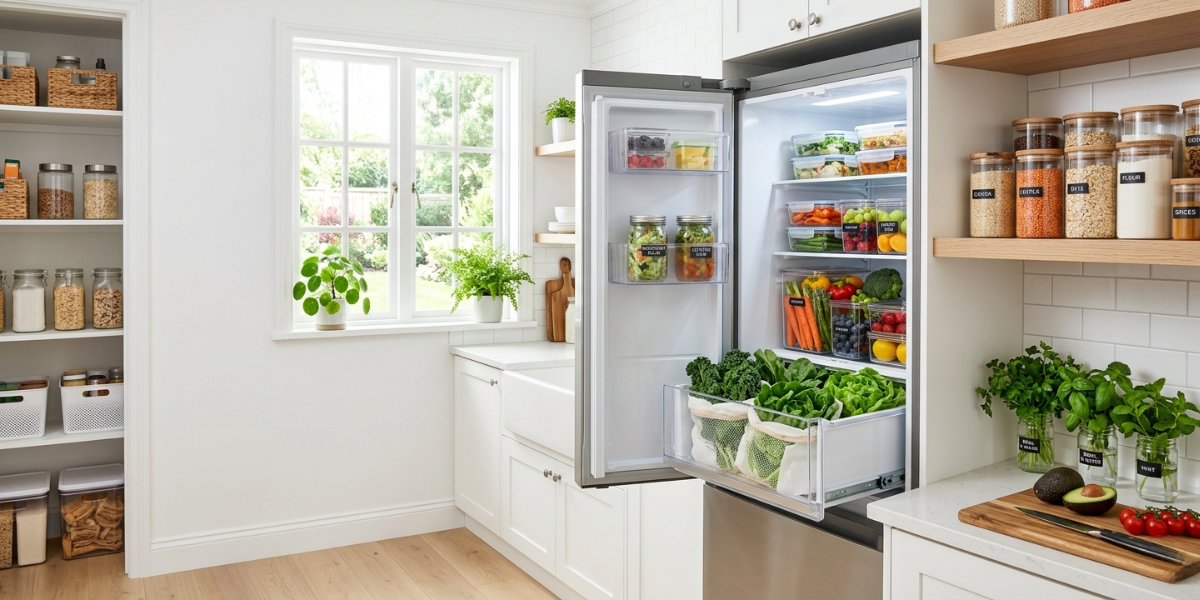
Have you ever opened your fridge only to find a wilted bag of lettuce, a forgotten block of cheese covered in mold, or strawberries that turned fuzzy overnight? You’re not alone.
Americans throw away nearly 30–40% of the food supply each year — and a huge chunk of that happens right at home. The good news? Most of it is completely preventable. With just a handful of smart food storage tricks, you can dramatically extend the life of your groceries, save real money, and stress less every time you open the fridge.
This guide walks you through practical, proven strategies for every corner of your kitchen — from the refrigerator to the freezer to your pantry shelves. Whether you’re a seasoned home cook or just learning the ropes, these tips are easy to follow and instantly useful. Let’s dive in.
“The right storage method isn’t complicated — it’s just knowing what each food needs to thrive.”
Why Smart Food Storage Actually Matters
Before we get into the tricks themselves, it helps to understand the “why.” Food goes bad for a few main reasons: exposure to air, moisture, light, heat, and the natural release of gases like ethylene. Once you understand these culprits, you can fight back effectively.
The Real Cost of Wasted Food
The average family of four wastes roughly $1,500 worth of food every year. That’s money sitting in a landfill instead of your wallet. Beyond the financial hit, wasted food also puts unnecessary strain on the environment. Reducing food waste is one of the simplest and most impactful things you can do at home.
Proper food preservation isn’t just about saving money — it’s also about getting more nutrition from what you buy. Vitamins and nutrients degrade over time, so fresher food genuinely means healthier meals. When you master food spoilage prevention, you’re investing in both your budget and your wellbeing.
The other thing worth mentioning? These tricks don’t require expensive gadgets or a complete kitchen overhaul. Most of them rely on nothing more than understanding where things belong — and a few low-cost supplies like airtight containers, zip-lock bags, or a roll of paper towels.
Master Your Refrigerator Zones
Your fridge isn’t one big cold box — it’s a carefully zoned environment, and not every shelf is created equal. Temperature varies significantly from top to bottom, and using each zone correctly is one of the most impactful refrigerator organization tips you’ll ever learn.
Upper Shelves, Lower Shelves, and Door Zones
The upper shelves are the warmest area of the fridge (around 38–40°F). This is the best spot for leftovers, drinks, herbs, and ready-to-eat foods like deli meats or prepared dishes. The lower shelves run coldest, making them ideal for raw meat storage — always keep raw proteins on the bottom shelf to prevent any drips from contaminating other food.
The door is the warmest zone of all, subject to temperature swings every time you open it. Contrary to popular habit, this is not the best place for eggs or milk. Save the door for condiments, juices, and items with natural preservatives.
The crisper drawers are designed for produce, and most fridges have two: one for high humidity (leafy greens, herbs, broccoli) and one for low humidity (apples, pears, avocados). Using these drawers correctly can easily double the life of your vegetables. This simple adjustment is one of the most underrated vegetable storage tips out there.
Keep your fridge at or below 40°F (4°C). Temperatures above this allow bacteria to multiply rapidly. A fridge thermometer costs just a few dollars and can save you from a lot of food-safety headaches.
The Art of Storing Fresh Produce
Fruits and vegetables have wildly different needs, and storing them together is one of the most common mistakes people make. Here’s the key principle: ethylene-producing foods speed up the ripening — and eventual rotting — of nearby produce. Apples, bananas, avocados, and tomatoes all release ethylene gas. Keep them away from ethylene-sensitive items like broccoli, leafy greens, and berries.
Fruit and Vegetable Storage Tips That Work
Berries are delicate and moisture-sensitive. Before storing them, give them a quick rinse in a solution of one part white vinegar and three parts water. This removes mold spores and bacteria without affecting taste. Dry them thoroughly, then store loosely in a breathable container lined with a paper towel. This single trick can extend shelf life of strawberries from two days to nearly a week.
Leafy greens like spinach, lettuce, and kale do best when they’re slightly damp but not wet. Wrap them loosely in a paper towel, place them in a zip-lock bag with a small amount of air trapped inside, and tuck them in the high-humidity drawer. The paper towel absorbs excess moisture while keeping the greens just hydrated enough.
Fresh herbs behave more like flowers than vegetables. Treat them that way — trim the stems, stand them upright in a glass of water, and cover loosely with a plastic bag. Stored this way in the fridge, herbs like cilantro and parsley can stay fresh for two weeks or more. Hardier herbs like thyme and rosemary do better wrapped in a barely damp paper towel.
Tomatoes are a special case: never refrigerate them. Cold temperatures break down the cell walls of tomatoes, turning them mealy and flavorless. Keep them at room temperature, stem-side down, away from direct sunlight.
Quick-Reference: Food Storage Guide by Location
Use this table as a handy reference for where common foods belong and how long they typically last with proper food preservation:
| Food Item | Best Storage Location | Estimated Shelf Life | Key Tip |
|---|---|---|---|
| Strawberries | Fridge (crisper) | 5–7 days | Vinegar rinse, paper towel lined container |
| Leafy Greens | Fridge (high humidity drawer) | 7–10 days | Wrap in paper towel, loose bag with air |
| Fresh Herbs | Fridge (water glass) | 10–14 days | Trim stems, cover with plastic bag |
| Tomatoes | Room temperature | 5–7 days | Never refrigerate; store stem-side down |
| Avocados | Counter (unripe) / Fridge (ripe) | 3–5 days (ripe) | Add lemon juice to cut halves |
| Bread | Bread box / Freezer | 5 days / 3 months | Avoid fridge — it dries bread out fast |
| Cheese (hard) | Fridge (wrapped in wax paper) | 3–6 weeks | Never plastic wrap — it traps moisture |
| Raw Chicken | Fridge (bottom shelf) | 1–2 days | Store in sealed container, use quickly |
| Dry Pasta / Grains | Pantry (airtight jar) | 1–2 years | Keep away from moisture and light |
| Onions & Garlic | Cool, dark pantry | 2–4 weeks | Never store with potatoes — they react |
Freezer Hacks That Actually Work
The freezer is one of the most underused tools in the kitchen. Most people treat it as a graveyard for mystery leftovers and the occasional bag of peas. But with a few freezer storage best practices, it can become the most powerful food-saving tool you own.
How to Freeze Food Without Ruining It
The enemy of frozen food is freezer burn — that dry, discolored crust that forms when air contacts frozen food. The fix is simple: remove as much air as possible before freezing. Press the air out of zip-lock bags, use vacuum seal food storage when available, or press plastic wrap directly onto the surface of things like soups or sauces before covering with a lid.
Portion before you freeze. Freeze meat in meal-sized portions rather than one giant frozen block. Lay portions flat in freezer bags to create “freezer bricks” that stack neatly and thaw faster. Freeze leftover tomato paste, coconut milk, or stock in ice cube trays, then transfer the frozen cubes to a bag — instant single-use portions whenever you need them.
Label everything with the date and contents. Frozen food is safe to eat indefinitely, but quality degrades over time. Most cooked dishes stay great for up to 3 months, while raw meats last 4–12 months depending on the cut.
One often-overlooked trick: freeze fresh herbs in olive oil using ice cube trays. Drop a cube into a hot pan and you’ve got an instant flavor starter. It’s one of those leftover food storage ideas that feels like magic once you try it.
Pantry Organization for Long-Term Freshness
A well-organized pantry isn’t just satisfying to look at — it’s a key part of reducing waste. When you can actually see what you have, you use it before it expires. Pantry organization food storage is about creating a system where nothing gets lost or forgotten.
The FIFO Method and Airtight Storage
Use the FIFO method — First In, First Out. When you bring home new groceries, move older items to the front and put fresh stock behind them. This simple habit prevents the “mystery can from 2019” situation that haunts every cluttered pantry.
Transfer dry goods like flour, sugar, rice, oats, and cereals into clear airtight containers as soon as you bring them home. Cardboard boxes and paper bags do very little to protect against moisture and pests. Glass jars or BPA-free plastic canisters not only keep food fresher but make it easy to see at a glance what you’re running low on.
Store oils, nuts, and seeds away from heat and light — both cause them to go rancid much faster. A cool, dark cabinet is far better than the shelf right next to the stove. For nuts, consider the freezer: they can last up to a year frozen with no change in flavor or texture.
Keep onions and potatoes in separate, dark, well-ventilated areas. Stored together, they produce gases that cause both to spoil faster. This is one of those counterintuitive food spoilage prevention tips that makes a real difference.
Clever Wrapping and Container Tricks
The right wrapping can be just as important as the right location. Not all storage materials are created equal, and using the wrong one can actually speed up spoilage.
Beeswax Wraps, Glass Jars, and More
Plastic wrap is fine for short-term use, but it’s not breathable and can trap moisture against certain foods. For cheese especially, reusable beeswax wrap is a game-changer. It’s breathable, molds to shape with the warmth of your hands, and keeps cheese perfectly without the sweat that plastic causes. It’s also washable and reusable — a great swap for eco-conscious kitchens.
Glass containers beat plastic for almost every purpose. They don’t absorb odors, don’t stain, and can go directly from fridge to oven or microwave. They’re also transparent, which makes it easier to see what’s inside and remember to use it. Investing in a good set of glass containers is one of the most practical kitchen upgrades you can make.
For cut avocados, the key is minimizing air exposure. Brush the cut surface with lemon or lime juice (the acidity slows oxidation), keep the pit in if possible, and store cut-side down on a plate or in a container with as little air space as possible. This easily buys you an extra day or two.
Don’t wash berries, mushrooms, or leafy greens until right before you use them. Moisture accelerates spoilage significantly. Wash only what you’re about to eat.
Reducing Food Waste: Habits That Stick
The best storage tricks in the world won’t help if you’re constantly forgetting what you have or overbuying. Kitchen food waste reduction is just as much about habits and planning as it is about technique.
Small Habits With Big Impact
Do a weekly “fridge audit” — spend five minutes at the start of each week pulling out anything that needs to be used soon. Move those items front and center so they’re the first things you reach for. A simple “eat first” basket or shelf in the fridge works wonders.
Plan meals around what you already have before you shop for more. If you have half a head of cabbage, wilting spinach, and some leftover chicken, build your next meal around those rather than buying fresh ingredients. This habit alone can cut food waste dramatically.
Learn to repurpose instead of toss. Slightly stale bread? Make croutons or breadcrumbs. Browning bananas? Freeze them for smoothies or banana bread. Wilting herbs? Blend them into a pesto or herb oil and freeze. Reduce food waste at home by thinking of “aging” food as an ingredient rather than a problem.
Finally, get comfortable with your freezer as a pause button. Almost anything can be frozen before it goes bad — soup, cooked grains, marinated meats, even eggs (cracked and beaten). When life gets busy and you can’t cook, the freezer gives you a path back to home-cooked meals without waste.
Frequently Asked Questions
Always store eggs on an interior shelf, not in the door. The door is subject to temperature fluctuations every time you open the fridge, which can affect egg quality over time. The interior shelf maintains a more consistent temperature, keeping eggs fresher longer. In the U.S., refrigerated eggs can last 3–5 weeks from purchase when stored properly on an interior shelf.
Refrigeration actually accelerates staling in bread through a process called retrogradation — where starch molecules crystallize faster in cold temperatures. The fridge can make bread go stale up to six times faster than storing it at room temperature. If you want to extend bread’s life, the freezer is the right choice. Slice it first, freeze it, and toast slices straight from frozen whenever you need them.
The biggest enemy of cut fruit is oxidation — the browning that happens when the flesh is exposed to air. A squeeze of lemon or lime juice over cut apples, pears, peaches, or avocados slows this process significantly because the citric acid acts as a natural antioxidant. Store cut fruit in an airtight container in the fridge and use within 2–3 days for best quality. For berries, avoid cutting until you’re ready to eat them.
Yes, but with some caveats. Hard and semi-hard cheeses like cheddar, mozzarella, and Parmesan freeze reasonably well, though the texture may become slightly more crumbly after thawing.
Soft cheeses like brie, ricotta, or fresh mozzarella don’t freeze as well — they tend to separate and become grainy. If you do freeze cheese, wrap it tightly in wax paper, then place it in a freezer bag. Thaw slowly in the fridge and plan to use it in cooked dishes rather than on a cheeseboard.
Looks can be deceiving — some harmful bacteria don’t change the appearance, smell, or taste of food noticeably. That’s why using date labels and knowing general shelf-life guidelines matters so much.
As a rule, trust your senses but also trust the dates. If something smells off, feels slimy, or has any visible mold (except on intentionally aged cheeses), it’s best to discard it. When in doubt, throw it out — the cost of a stomach illness far outweighs the cost of tossing one leftover container.
Start Small, See Big Results
You don’t need to reinvent your entire kitchen to make a real difference. Start with just one or two of these smart food storage tricks — maybe reorganizing your fridge zones, or giving your berries a vinegar rinse before storing. Once you see how much longer your food lasts, the motivation to keep going practically takes care of itself.
Proper food preservation is one of those rare habits that pays you back immediately. Less waste means fewer grocery trips, more money in your pocket, and meals that taste fresher. Your future self — standing in front of a fridge full of vibrant, usable food — will absolutely thank you.
Pick one trick, try it this week, and build from there. That’s all it takes to start eating smarter.