




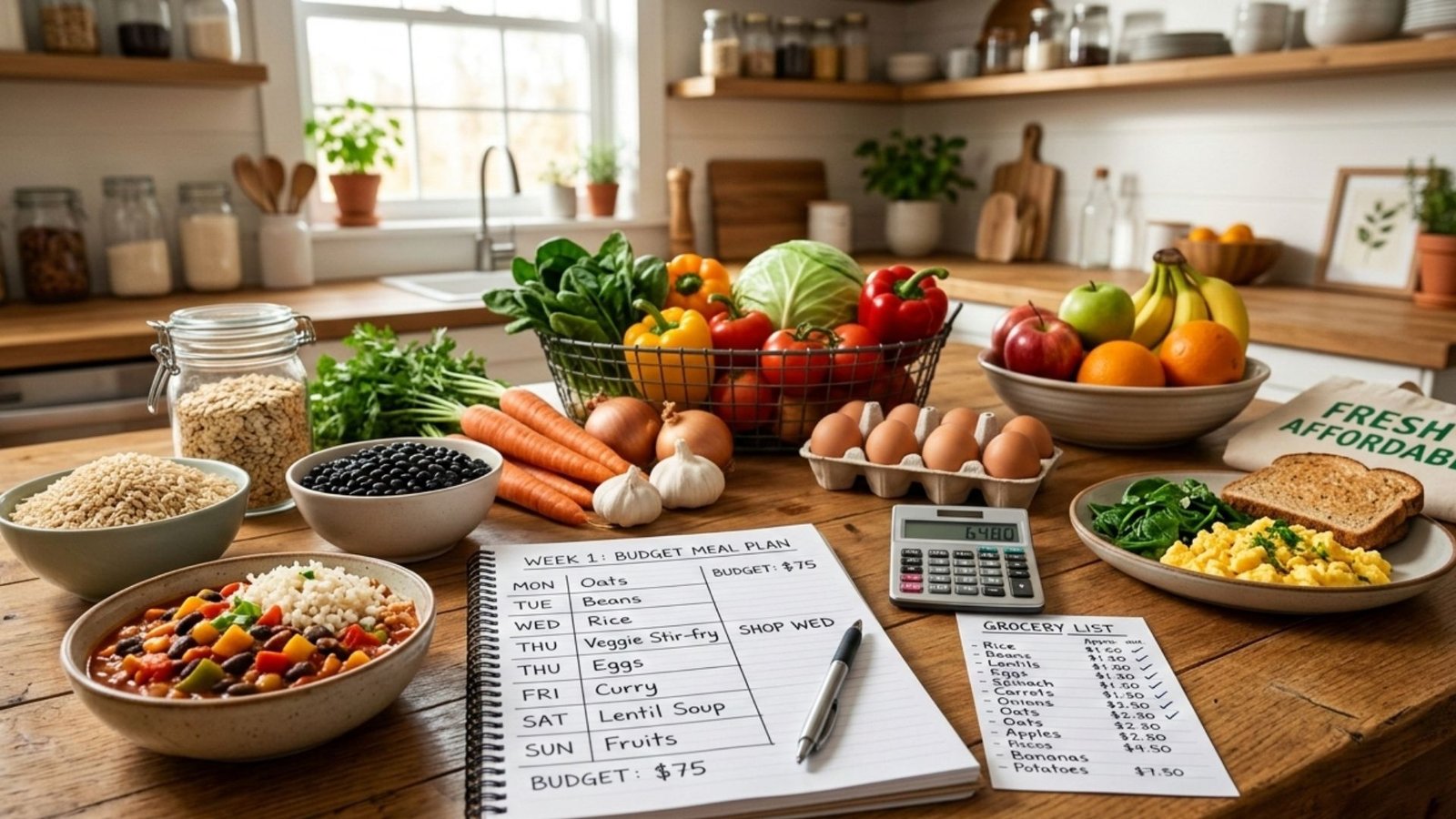
Healthy Meals on a Budget doesn’t have to break the bank. With a little forethought and creativity, you can enjoy nutritious and delicious food while sticking to your budget. This easy meal plan will guide you through creating a budget-friendly strategy that saves money and reduces food waste.
Creating a Meal Plan on a Budget

The Importance of a Budget-Friendly Meal Plan
A budget-friendly meal plan is crucial for managing your food budget and ensuring you can afford healthy meals. By taking the time to plan your meals, you gain control over your spending habits and avoid impulsive decisions that often lead to overspending on takeout or unnecessary groceries. A well-structured meal plan helps you prioritize healthy meals, reduce food waste, and ultimately save time and money. It’s a proactive approach that ensures you’re nourishing your body without jeopardizing your financial stability, contributing to an overall healthier lifestyle and bank account.
How to Make a Meal Plan that Saves Money
To make a meal plan that saves money, start by assessing what you already have on hand in your pantry and refrigerator. Building your weekly meal around these items helps reduce food waste and prevents you from buying duplicates. Next, check what’s on sale at your local grocery store and incorporate those ingredients into your meals. Consider planning meals around budget staples like lentils, sweet potatoes, and whole grains. These items are not only affordable but also packed with nutrients. Make a shopping list based on your meal plan and stick to it while grocery shopping to avoid impulse buys that can derail your food budget.
Tips for Planning Family Meals on a Budget
Planning family meals on a budget requires a bit of strategy. Opt for recipes that utilize versatile and affordable ingredients like ground beef, broccoli, or celery. Consider incorporating meatless meals into your weekly meal plan, as they tend to be more budget-friendly and can be just as satisfying. Utilize a slow cooker or instant pot to prepare large batches of food, making it easier to have leftovers for lunch or future meals.
Roast chicken is also a great option as the leftover chicken can be used in various dishes, such as tacos or salads. Involve your family in the meal planning process to ensure everyone enjoys the meals and nothing goes to waste. This approach to meals will create a healthy meal plan, reduce your food waste and help you stick to your budget.
Weekly Meal Prep for Healthy Meals
Essential Meal Prep Techniques
Essential meal prep techniques are key to creating a 7-day meal plan that supports a healthy meal plan on a budget. Start by setting aside a few hours each week to prepare your ingredients. Chop all your fruit and vegetables and store them in airtight containers for easy access throughout the week. Cook grains like quinoa, lentils, or whole grains in advance to incorporate into lunches and dinners. Portion out snacks like granola into individual bags to avoid overeating.
Knowing how to properly store fresh produce and leftovers will prevent food waste and ensure your ingredients don’t go bad before you can use them. By mastering these meal prep techniques, you’ll find it easier to stick to your budget and maintain a healthy diet.
Using a Grocery List to Stay on Budget
A grocery list is your best friend when trying to save money and stick to your food budget. Before you go grocery shopping, plan your meals for the week and write down every ingredient you need. Check your pantry and refrigerator to see what you already have on hand to avoid buying duplicates. Look at what’s on sale at your local store and incorporate those items into your meal plan. Organize your shopping list by grocery store sections to save time and streamline your shopping trip. Avoid impulse buys by sticking to your list and ignoring tempting treats. A well-crafted grocery list is essential for planning family meals on a budget and ensuring you only buy what you need.
Batch Cooking for Multiple Meals
Batch cooking is a fantastic way to save time and money while planning healthy meals. Dedicate a day to cooking large quantities of versatile dishes like roast chicken, ground beef, or lentil soup. These items can then be used in a variety of meals throughout the week, such as tacos, salads, or pasta dishes. Use a slow cooker or instant pot to make batch cooking even easier. Prepare a large batch of quinoa or sweet potatoes to use as a base for different meals.
By batch cooking, you’ll have healthy meals ready to go, reducing the temptation to order takeout and helping you stick to your meal plan on a budget and reduce food waste. This method ensures that healthy meals are always accessible, promoting both good health and financial savings.
Budget-Friendly Grocery Shopping
Building a Grocery Budget
Building a solid grocery budget is the foundation for creating a healthy meal plan on a budget. Start by tracking your current spending to understand where your money goes. Assess your needs versus wants to identify areas where you can cut back. Set realistic limits for your grocery spending each week, and stick to them. Make sure to consider all the meals, including breakfast, lunch, dinner, and snacks. Planning ahead can save time and money. Keep an eye out for ways to save money, such as buying in bulk or opting for store brands. Building your grocery budget is essential for managing your food budget and achieving your financial goals.
Smart Shopping Tips to Save Money on Food
Smart shopping is key to staying within your food budget. Always create a shopping list before you go grocery shopping and stick to it to avoid impulse buys. Look at what’s on sale and plan your meals around those items. Compare prices per unit to ensure you are getting the most for your money. Consider buying seasonal produce, which is often cheaper and fresher. Shop with a full stomach to avoid making unhealthy and expensive choices. Take advantage of loyalty programs and coupons to save even more. These smart shopping tips will help you stay on track and save money while planning healthy meals for you and your family.
Choosing Frozen Veggies and Other Cost-Effective Ingredients
Opting for frozen fruit and vegetables is a fantastic way to save money and reduce food waste, as they often cost less and have a longer shelf life than fresh produce. Other cost-effective ingredients include lentils, quinoa, and whole grains, which are not only affordable but also packed with nutrients.
Tofu is another great budget staple that is versatile and can be used in various dishes. Consider buying in bulk when it makes sense and storing leftovers properly to prevent them from going bad. Planning meals around these budget ingredients will help you create a healthy meal plan without breaking the bank. Also, utilizing vegetables such as broccoli, celery, and green beans, you can add nutrients to your meals without hurting your pocket.
Healthy and Affordable Meal Ideas
Meatless Meals: Lentil and Bean Recipes
Meatless meals are a cornerstone of a budget-friendly and healthy meal plan. Recipes featuring lentils and beans are not only economical but also packed with protein and fiber. These budget options can be incredibly versatile; lentil soup is a hearty and filling dish, while bean burritos offer a quick and easy lunch. Experiment with different spices and herbs to create flavorful variations that keep your taste buds excited. By incorporating meatless meals into your weekly meal routine, you can save money while ensuring you are getting nutritious and satisfying meals.
Delicious Chicken Tacos and Ground Beef Options
Chicken tacos and ground beef dishes are perfect for creating delicious and budget-friendly family meal options. You can buy chicken in bulk and use leftover chicken for tacos, salads, or sandwiches. Ground beef can be used in chili, spaghetti, or shepherd’s pie, providing multiple meal options from a single purchase. Adding plenty of vegetables like lettuce, tomatoes, and onions not only enhances the nutritional value but also helps stretch the meat further. These versatile recipes can be adapted to suit your family’s preferences while keeping your food budget in check. Incorporating these options into your 7-day meal plan ensures variety and satisfaction without breaking the bank.
Using Sweet Potatoes in Budget Meals
Sweet potatoes are an excellent addition to a budget meal plan due to their affordability and nutritional value. Sweet potatoes can be roasted, mashed, or added to stews and soups, offering versatility in your meals. They are packed with vitamins and fiber, making them a healthy choice for any meal. Consider making sweet potato fries as a healthier alternative to regular fries, or adding diced sweet potatoes to a chili or curry. Their natural sweetness also makes them a satisfying addition to both savory and sweet dishes, and you could even add sweet potatoes into a ground beef hash. Utilizing sweet potatoes ensures you’re getting essential nutrients while keeping your grocery budget in check and reducing food waste.
Utilizing Leftovers and Making the Most of Meals
Creative Ways to Use Leftovers
Creative leftover utilization is essential for any successful meal plan on a budget. Instead of letting leftovers go bad, transform them into entirely new dishes. Roast chicken can become chicken salad, tacos, or even added to soup. Leftover vegetables can be used in omelets, frittatas, or stir-fries. Get creative with your ingredients and avoid food waste by viewing leftovers as an opportunity to create something new. This approach not only saves you money but also reduces the amount of food that ends up in the trash, contributing to a more sustainable and budget-friendly lifestyle.
Transforming Leftover Ingredients into New Dishes
Transforming leftover ingredients into new dishes is a key strategy for reducing food waste and maximizing your food budget. If you have leftover cooked quinoa, consider using it as a base for a salad or adding it to soup for extra heartiness. Leftover roast chicken can be shredded and used in tacos, enchiladas, or chicken salad sandwiches for lunch. Even small amounts of leftover vegetables can be combined to create a flavorful frittata or stir-fry. By thinking creatively about how to repurpose leftover ingredients, you can create delicious and satisfying meals while minimizing waste and saving money.
Planning for Less Waste and More Savings
Effective planning is crucial to minimize food waste and achieve significant savings on your grocery budget. Start by taking inventory of what you already have on hand in your pantry and refrigerator before making your shopping list. This will help you avoid buying duplicates and ensure that you use what you already have. Make a meal plan for the week that utilizes versatile ingredients and allows for leftovers to be repurposed into new meals. Store fresh produce and leftovers properly to extend their shelf life and prevent spoilage. By implementing these strategies, you can significantly reduce food waste and save money on your grocery bill. Proper meal prep will help make a meal that saves money.
Q: How can a meal planner help you save money on groceries?
A meal planner helps you save money by allowing you to organize weekly meals in advance, create a targeted shopping list, and avoid impulse purchases. When you plan ahead, you can check your pantry to use ingredients you already have, choose recipes that share ingredients across dishes, and take advantage of the best prices on seasonal produce. This planning prevents food waste and ensures you buy only what you need, helping you spend less while still preparing balanced meals for your family.
Q: What are the best pantry staples for creating healthy meals on a budget?
A: Essential pantry staples include canned beans, canned tuna, rice, pasta, oats for granola, cooking oils with healthy fats, and versatile vegetables like bell peppers when fresh. These ingredients form the foundation for countless new recipes and help you save money by reducing grocery trips. Stock your pantry and freezer with these basics, and you’ll always have options for cooking at home. Items like canned beans can be transformed into soups, salads, or one pot meals, while rice serves as a base for fried rice or accompanies slow cooker dishes perfectly.
Q: How can I use an instant pot or slow cooker to spend less on meals?
A: Both an instant pot and slow cooker are excellent tools for creating budget-friendly balanced meals with less money. These appliances allow you to use cheaper cuts of meat that become tender through slow cooking, prepare large batches that provide another meal for later, and create one pot dishes that minimize cleanup and ingredient costs. You can find recipes specifically designed for these appliances that maximize flavor while keeping costs down, and they’re perfect for hands-off cooking at home that fits busy schedules.
Q: What should I check before making my shopping list?
A: Before creating your shopping list, always check your pantry and freezer first to see what ingredients you already have. This prevents buying duplicates and helps you find recipes that use items you own, reducing waste and impulse purchases. Look for recipes that use ingredients you already have at home, then only add what’s missing to your list. This approach to meal planning ensures you spend less money by building meals around pantry staples like canned beans, pasta, and frozen vegetables rather than starting from scratch each week.
Q: How can I make balanced meals without spending too much?
A: Creating balanced meals on a budget requires smart food choices that include proteins, whole grains, and vegetables without breaking the bank. Use affordable protein sources like canned tuna, canned beans, and eggs combined with whole grains like brown rice or whole wheat pasta. Add frozen or seasonal bell peppers and other vegetables for nutrients. Plan meals that naturally include healthy fats from sources like olive oil or avocados when on sale. Simple dishes like fried rice, bean soups, or even homemade mac and cheese with added vegetables can provide nutrition while helping you spend less money than restaurant meals or processed foods.
Q: How does cooking at home help you save compared to eating out?
A: Cooking at home dramatically helps you save money compared to dining out or ordering takeout. A homemade meal typically costs one-third to one-quarter of a restaurant equivalent, and you control the ingredients for healthier eating. When you plan meals and prepare them yourself, you avoid the markup on labor, overhead, and profit that restaurants charge. Even quick meals like fried rice, one pot pasta dishes, or slow cooker recipes cost less money per serving while often providing leftovers for another meal, multiplying your savings throughout the week.
Q: What are some versatile recipes that use common budget ingredients?
A: Versatile budget recipes include fried rice using leftover rice and any vegetables like bell peppers, one pot pasta dishes, slow cooker bean chili, instant pot rice and beans, homemade granola for breakfasts, and simple mac and cheese enhanced with frozen vegetables. These recipes that use pantry staples and ingredients you already have can be customized based on what’s available. Find recipes that allow substitutions so you can take advantage of the best prices each week. Each of these options supports eating healthy while helping you spend less, and they can be adapted into new recipes by changing seasonings or adding different vegetables from your pantry first approach.
Q: How can I avoid impulse purchases while grocery shopping?
A: Avoid impulse purchases by following a detailed shopping list created during your meal planning session, shopping after eating so you’re not hungry, and sticking to the perimeter of the store where whole foods are located. Your shopping list should be based on recipes you’ve selected and ingredients you already have at home. This bit of planning prevents grabbing unnecessary items that don’t fit your plan meals strategy. Focus on pantry staples and items needed for your balanced meals, compare prices to find the best prices, and resist marketing tactics that encourage extra spending. This discipline helps you spend less money consistently and keeps your food choices aligned with both your health and budget goals.

Other Articles