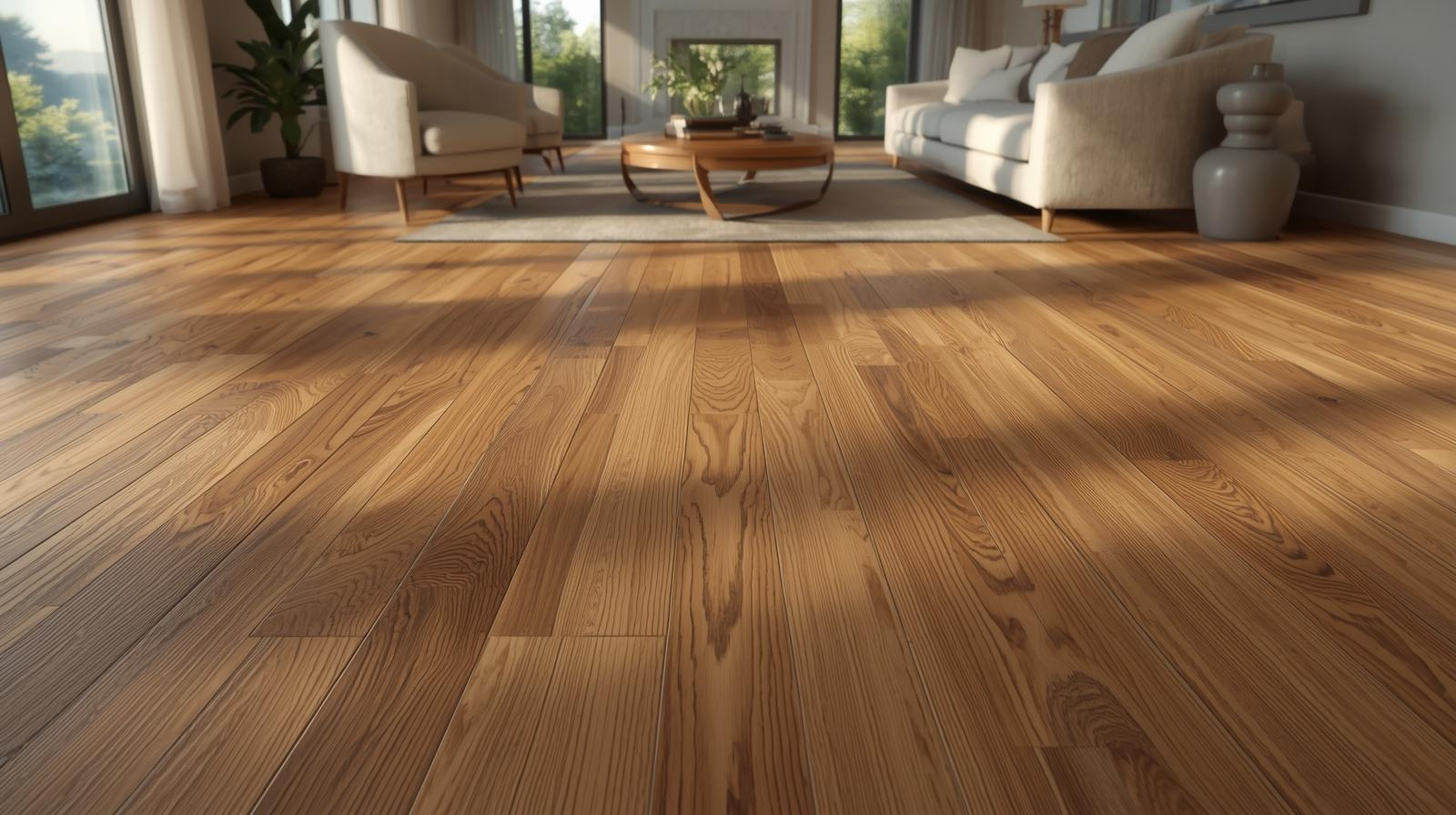





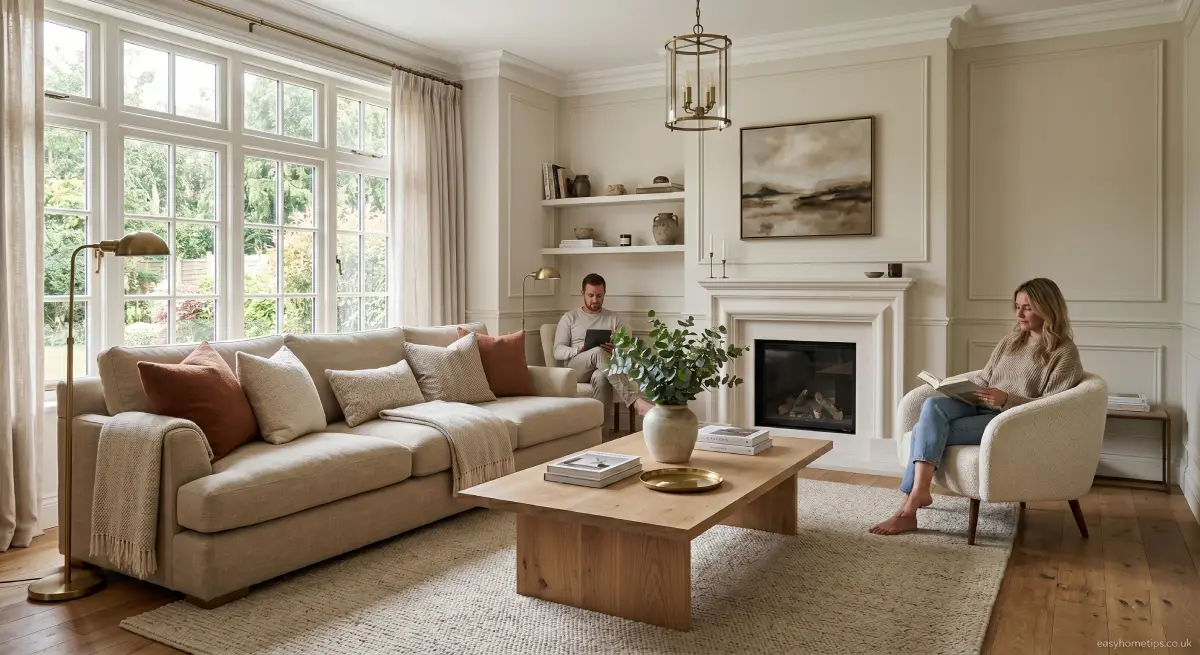
If you’ve ever loved both a cozy, classic living room and a sleek, modern space — you’re not alone. That’s exactly where transitional home decor comes in.
Transitional home decor is the art of blending traditional design elements with contemporary style to create a home that feels both timeless and fresh. It’s the sweet spot between old-world charm and modern simplicity.
The best part? You don’t have to pick a side. Transitional decor lets you have the warmth of classic furniture alongside the clean lines of modern design — all in one beautifully balanced space.
In this guide, you’ll discover exactly how to pull off this style, room by room, with smart, proven tips that work for any budget and any home.
What Is Transitional Home Decor, Exactly?
The Definition in Plain Terms
Transitional home decor is a hybrid design style that sits comfortably between two worlds: traditional and modern. Think of it as the “best of both” approach to interior design.
It draws from classic design principles — symmetry, warm tones, rich textures — and pairs them with the simplicity and clean aesthetics of contemporary interiors. The result is a home that never feels too stuffy or too cold.
Why Is It So Popular?
The style has exploded in popularity for one simple reason: it’s incredibly livable. Unlike a strictly modern home that can feel sterile, or a purely traditional home that can feel heavy, transitional interiors strike a natural balance.
According to interior designers, transitional decor is one of the most requested styles because it appeals to a wide range of tastes. It works beautifully in everything from suburban family homes to urban condos.
It also has incredible longevity. Because it doesn’t chase trends, a well-done transitional space looks just as stylish five years later as it did on day one. That’s the power of a timeless design approach.
The Core Principles of Transitional Interior Design
Principle 1 — Balance Is Everything
At the heart of transitional home decor is visual balance. You’re always pairing opposites in a way that feels intentional, not accidental.
For example:
- A tufted velvet sofa (traditional) alongside a glass-and-metal coffee table (modern)
- Crown molding on the ceiling (classic) with flat-panel cabinetry below (contemporary)
- Warm wood tones on the floor with cool gray walls above
Every choice should feel like it’s in conversation with the other elements in the room.
Principle 2 — Neutral Color Palettes Are Your Best Friend
Neutral color schemes are the backbone of transitional design. Think creamy whites, warm beiges, soft grays, and muted taupes. These warm neutral tones create a calm, cohesive foundation that lets other elements shine.
You can add depth through layered textures — a chunky knit throw here, a woven jute rug there — rather than bold color contrasts.
Principle 3 — Mix Materials Intentionally
Great transitional interiors mix materials with purpose. You might see:
- Natural wood next to polished chrome
- Linen upholstery beside a lacquered side table
- Exposed brick paired with sleek floating shelves
The key is keeping the palette consistent so the mix feels curated, not chaotic.
How to Choose Transitional Furniture That Works
What to Look For in Transitional Pieces
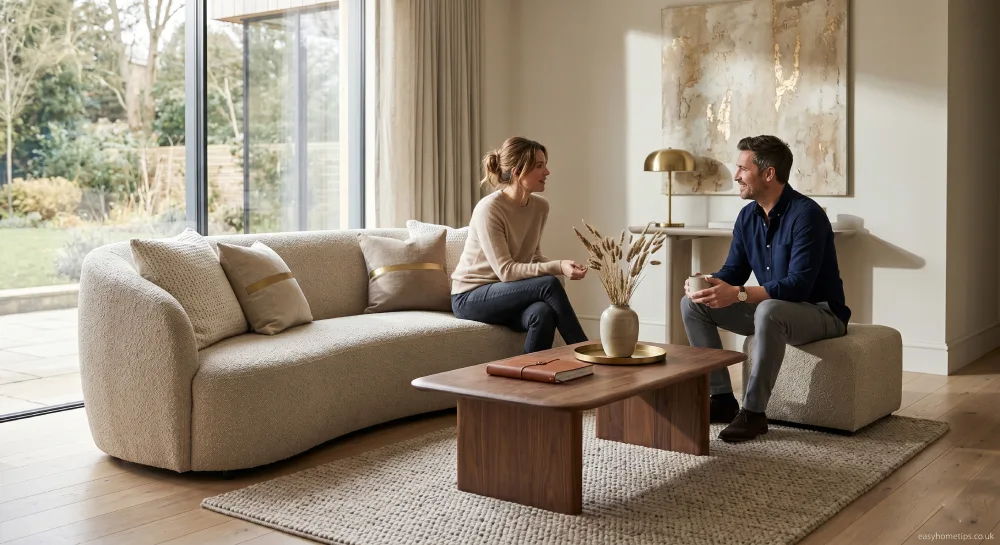
Transitional furniture sits in the middle ground between ornate traditional and ultra-minimal modern. Here’s what to look for:
- Streamlined silhouettes — no heavy carvings, but no razor-sharp edges either
- Soft curves combined with straight lines
- Quality materials like solid wood, brushed nickel, and performance fabrics
- Neutral upholstery in textures like linen, velvet, or cotton
A rolled-arm sofa in a warm greige fabric is a classic transitional piece. So is a rectangular dining table with tapered legs in a natural wood finish.
Mixing Old and New Furniture
One of the biggest strengths of transitional home decor is that you can mix furniture from different eras. An antique wooden dresser can sit beautifully next to a contemporary platform bed — as long as the finishes and tones complement each other.
The golden rule: keep wood tones consistent throughout a room. If your dining table is a warm walnut, make sure your side tables echo that warmth rather than introducing a cool gray oak.
Transitional Decor Style Guide: Room by Room
Living Room
The transitional living room is all about creating a space that’s elegant but relaxed. Start with a neutral sofa as your anchor piece — something in a warm white, soft gray, or light taupe.
Add a wooden coffee table with clean lines, then layer in interest through:
- A patterned area rug with a classic motif in muted tones
- Throw pillows mixing solid neutrals with one subtle print
- Table lamps with ceramic bases and linen shades
- A gallery wall blending framed art in consistent matte frames
Bedroom
A transitional bedroom feels like a luxury hotel — calm, uncluttered, and deeply comfortable. Focus on:
- A upholstered headboard in a neutral fabric (linen or velvet works perfectly)
- Layered bedding with a mix of textures — think crisp white sheets, a woven blanket, and a quilted coverlet
- Nightstands with simple silhouettes and either wood or brushed metal hardware
- Soft, warm lighting through bedside lamps with warm-toned bulbs
Kitchen and Dining
The transitional kitchen blends shaker-style cabinetry with modern hardware. Opt for flat-panel or simple shaker doors in white or soft gray, paired with polished nickel or matte black hardware for that modern edge.
In the dining room, a round or rectangular wood table with upholstered chairs creates the perfect transitional moment — classic shape, updated fabric.
Smart Color Strategies for Transitional Spaces
Building a Cohesive Color Palette
Color is where many people get stuck with transitional home decor. The safest and most proven approach is the 60-30-10 rule:
| Color Role | Percentage | Example in Transitional Decor |
|---|---|---|
| Dominant Color | 60% | Warm white or soft greige on walls |
| Secondary Color | 30% | Medium-toned wood furniture and textiles |
| Accent Color | 10% | Muted navy, sage green, or terracotta in pillows and art |
This formula ensures your space feels balanced without becoming monotonous. The accent color is your personality — choose something you love.
Using Texture Instead of Color for Depth
In transitional design, layered textures do the heavy lifting that bold colors would do in other styles. Mix:
- Smooth surfaces (polished marble, lacquered wood, glass)
- Soft textures (velvet, linen, cotton knit)
- Rough textures (jute rugs, woven baskets, reclaimed wood)
This textural layering adds visual richness without disrupting the calm, neutral palette.
Lighting in Transitional Home Decor
Why Lighting Makes or Breaks the Style
Lighting is often the last thing people think about — and it shouldn’t be. In transitional spaces, lighting serves a double purpose: it’s both functional and decorative.
The right light fixture ties the room together. A drum pendant light in brushed nickel over a dining table is perfectly transitional. So is a classic table lamp with a linen shade on a sleek modern side table.
The Three-Layer Lighting Approach
Smart transitional home decor uses three types of lighting together:
- Ambient lighting — the main overhead light (recessed lights or a statement chandelier)
- Task lighting — focused light for reading or work (floor lamps, under-cabinet lights)
- Accent lighting — decorative light that adds mood (wall sconces, table lamps, candles)
When you layer all three, the room feels warm, dynamic, and professionally styled. Opt for warm-toned bulbs (2700K–3000K) throughout to keep the atmosphere cozy and inviting.
Common Mistakes to Avoid in Transitional Decorating
Mistake 1: Mixing Too Many Styles at Once
Transitional decor is a blend, not a collection. Many people make the mistake of pulling in farmhouse elements, Scandinavian pieces, and Art Deco accents — all in the same room.
Stick to two reference points: traditional and contemporary. Everything else should support those two anchors.
Mistake 2: Ignoring Scale and Proportion
Even the most beautiful furniture looks wrong in the wrong-sized room. A massive sectional in a small living room kills the balance that transitional decor depends on. Always measure before you buy, and consider the scale of each piece relative to the room and to each other.
Mistake 3: Skipping Soft Furnishings
Some homeowners lean too far into the “modern” side of transitional and end up with a space that feels cold and unwelcoming. Soft furnishings — rugs, throw pillows, curtains, blankets — are essential. They add the warmth and comfort that make transitional design so livable.
Mistake 4: Choosing the Wrong Metals
Metal finishes should be consistent (or at least complementary). Mixing polished chrome with oil-rubbed bronze creates visual tension rather than harmony. Stick to one or two finishes — brushed nickel and warm brass work beautifully together in a transitional space.
Transitional Home Decor on a Budget: Easy Wins
You absolutely don’t need a massive budget to pull off a beautiful transitional home decor look. Here are some smart, proven moves:
- Repaint in a warm neutral — a fresh coat of warm white or greige is the single biggest transformation you can make for the least money
- Swap out hardware — replacing cabinet and drawer pulls with brushed nickel or matte black hardware immediately modernizes traditional furniture
- Add a quality area rug — a well-chosen rug anchors the room and defines the space without requiring new furniture
- Invest in one statement lamp — a classic ceramic lamp with a linen shade adds instant transitional character
- Layer your textiles — mix two or three throw pillow fabrics in the same neutral family for an effortlessly styled look
- Hang curtains high and wide — mounting curtain rods closer to the ceiling and wider than the window makes any room feel taller and more elegant
FAQ: Your Transitional Home Decor Questions Answered
What exactly is transitional home decor?
Transitional home decor is a design style that blends traditional and contemporary elements into one cohesive, balanced look. It uses neutral color palettes, mixed materials, and furniture that sits between ornate and ultra-minimal. The result is a space that feels timeless, warm, and polished — without leaning too far in either direction. It’s one of the most popular interior design styles precisely because it’s so livable and widely appealing.
How is transitional decor different from modern or traditional styles?
Modern decor leans heavily into clean lines, minimal ornamentation, and a cooler color palette. Traditional decor favors rich colors, ornate detailing, and formal symmetry. Transitional home decor sits between both worlds — it borrows the warmth and comfort of traditional design and the simplicity and freshness of modern design. Think of it as a sophisticated middle ground that never feels dated.
What colors work best for a transitional interior design scheme?
Neutral colors are the cornerstone of transitional interior design. Warm whites, soft grays, creamy beiges, and muted taupes form the best foundation. From there, you can introduce muted accent colors like dusty blue, warm sage, or soft terracotta in small doses. The goal is a palette that feels calm and cohesive — one where no single color overwhelms the room. Avoid bright, saturated colors, which tend to clash with the balanced nature of transitional styling.
Can I use patterned fabrics in transitional home decor?
Absolutely — but use them with restraint. Transitional home decor welcomes subtle patterns like soft stripes, understated geometrics, or classic organic motifs in muted tones. The key is keeping the pattern scale balanced and the color palette neutral. For example, a throw pillow in a soft gray-and-ivory geometric works beautifully without disrupting the overall calm of the space. Avoid busy florals or bold graphic prints, which can pull the room too far toward a specific style.
Is transitional decor good for small spaces?
Yes — transitional home decor is actually an excellent choice for smaller spaces. Its emphasis on neutral colors, clean-lined furniture, and purposeful editing naturally makes rooms feel more open and uncluttered. To maximize a small space, choose furniture with exposed legs (which creates a sense of airiness), keep the color palette light, and rely on mirrors and layered lighting to expand the feel of the room. The restrained, balanced nature of transitional design prevents small spaces from feeling cramped or overwhelming.
Conclusion
Transitional home decor is more than just a design trend — it’s a timeless approach to creating a home that feels both sophisticated and genuinely comfortable. By blending the warmth of traditional design with the clean simplicity of contemporary style, you get spaces that work beautifully for everyday living and look stunning for years to come.
Start with a neutral palette, choose furniture with balanced silhouettes, mix your materials intentionally, and layer in soft textures and warm lighting. Whether you’re decorating a single room or your entire home, these proven principles will guide every decision.
The best part about transitional home decor is that it’s endlessly adaptable. You can make it feel cozier, more formal, more modern, or more rustic — all while staying true to that core balance. So take these ideas, make them your own, and start creating the timeless home you’ve always wanted.