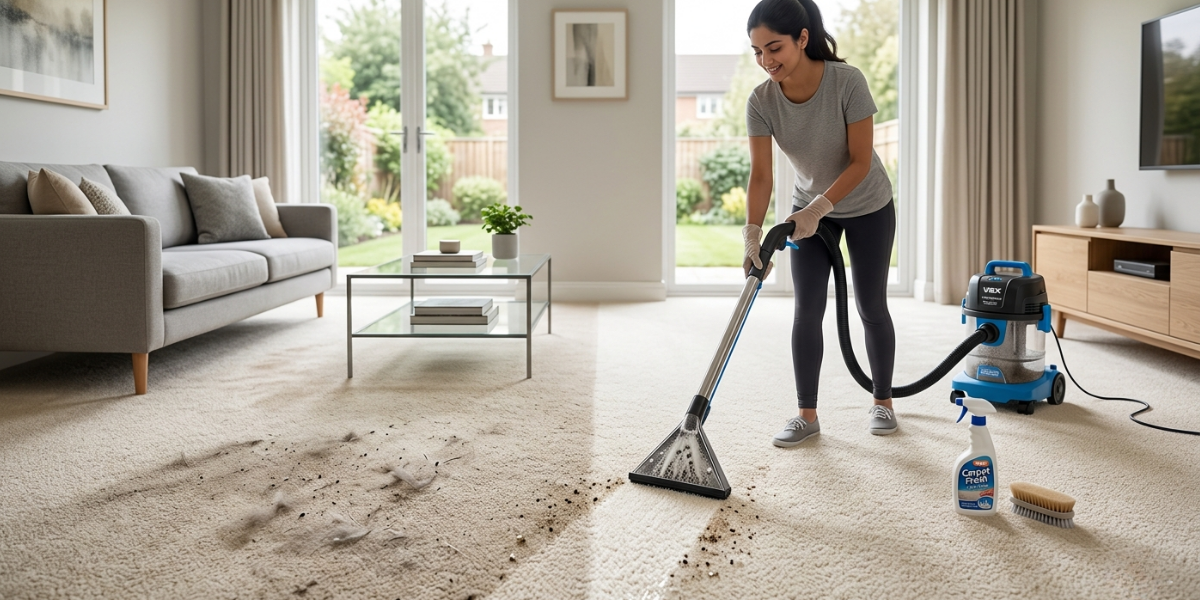




The Ultimate Guide to Sofa Cleaning, Carpet Vacuuming, and TV Unit Dusting in 7 Easy Steps

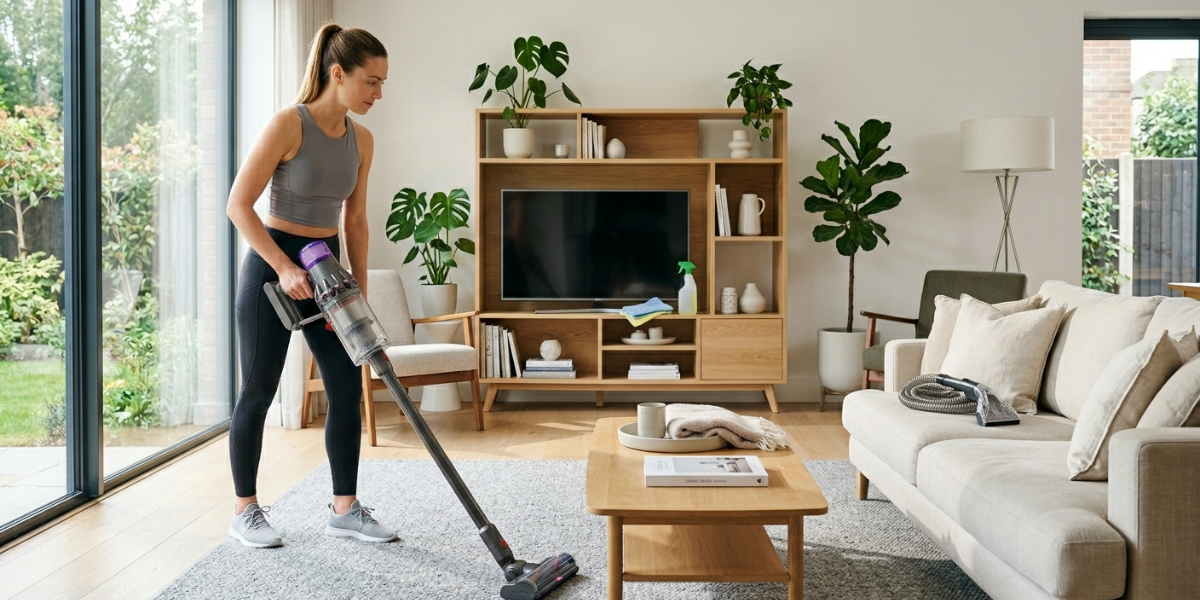
Your living room is the heart of your home. It’s where you relax after a long day, host friends, watch your favorite shows, and spend quality time with family. But here’s the truth — it’s also one of the fastest areas to collect dust, dirt, and grime. Between the sofa you sink into every evening, the carpet your kids roll around on, and the TV unit that silently collects layers of dust, your living room needs regular, proper care. That’s exactly what this guide is about: sofa cleaning, carpet vacuuming, and TV unit dusting — done right, done thoroughly, and done in a way that actually lasts.
Whether you’re doing a weekend deep clean or building a weekly routine, this article walks you through everything you need to know. Let’s get into it.
Why Regular Living Room Cleaning Actually Matters
Most people wipe down their kitchen counters daily but forget that their living room collects just as much — if not more — hidden mess. Think about it: your sofa traps dead skin cells, pet dander, food crumbs, and allergens deep in its fibers. Your carpet acts like a giant filter, holding onto dust mites, bacteria, and tracked-in dirt. And your TV unit? Dust settles on electronics faster than almost anywhere else in the house.
Skipping regular cleaning doesn’t just make your home look unkempt. It can actually affect your health. Indoor air quality drops significantly when dust and allergens build up. People with asthma or allergies are especially vulnerable. Regular cleaning reduces these risks and keeps your home feeling fresh and breathable.
Beyond health, there’s the matter of longevity. A sofa that gets properly cleaned lasts years longer than one that’s ignored. Carpets that are vacuumed regularly don’t wear down as fast. And electronics that are kept dust-free run cooler and last longer. A little consistent effort saves you money in the long run.
Sofa Cleaning: How to Do It the Right Way
Understanding Your Sofa Fabric First
Before you grab any cleaner, you need to know what your sofa is made of. Using the wrong product on the wrong fabric can cause permanent damage. Most sofas come with a manufacturer’s tag that uses a simple code:
| Code | Meaning |
|---|---|
| W | Use water-based cleaning solutions |
| S | Use solvent-based (dry) cleaners only |
| W-S | Either water or solvent-based cleaners are safe |
| X | Vacuum only — no liquid cleaners |
Once you know your code, cleaning becomes much easier and safer. Fabric sofas labeled W or W-S are the most forgiving. Leather sofas need specialized leather conditioners. Microfiber sofas can often be cleaned with rubbing alcohol using a white sponge.
Step-by-Step Sofa Cleaning Process
Start by removing all cushions and vacuuming the entire sofa — including underneath the cushions, in the crevices, and along the base. Use the upholstery attachment on your vacuum for this. You’ll be surprised how much crumbs, hair, and dust hides in those tight spaces.
Next, check for visible stains. For fabric sofas, mix a few drops of dish soap with warm water and apply it lightly with a clean cloth. Always blot — never scrub — to avoid pushing the stain deeper into the fabric. For tough stains like wine or ink, a small amount of white vinegar diluted in water works well on most fabric types.
For a full deep clean, sprinkle baking soda generously over the sofa surface and let it sit for 20–30 minutes. Baking soda is a natural odor absorber and helps loosen light grime. Then vacuum it all up thoroughly.
For leather sofas, wipe down the surface with a damp cloth first, then apply a leather conditioner to keep the material soft and prevent cracking. Avoid harsh chemicals — they strip the natural oils from leather.
Aim to do a light vacuum of your sofa weekly and a deeper clean every one to three months depending on how much use it gets.
Carpet Vacuuming: More Than Just Running a Machine Over the Floor
Choosing the Right Vacuum for Your Carpet
Not all vacuums are created equal, and the type of carpet you have makes a big difference in what works best. High-pile carpets (the thick, fluffy kind) need a vacuum with strong suction and an adjustable brush roll. Low-pile or flat carpets work well with most standard vacuums. If you have pets, a vacuum with a HEPA filter and specialized pet hair attachment is a must.
Bagless vacuums are convenient but need their filters cleaned regularly. Bagged vacuums tend to maintain better suction over time. Canister vacuums are great for getting into corners and under furniture. Whatever you choose, make sure it’s suited to your specific carpet type.
The Proper Way to Vacuum a Carpet
Here’s where most people go wrong: they vacuum too fast. Slow, overlapping passes give the vacuum time to pull up embedded dirt, dust mites, and debris that a quick run won’t catch. Vacuum in one direction first, then go back over the same area in a perpendicular direction. This cross-hatch method lifts more dirt from deep within the carpet fibers.
Before vacuuming, pick up any large debris by hand. Move furniture when you can — a lot of dirt accumulates around and under sofas and chairs. Use the crevice tool along baseboards and corners where dust tends to collect.
For high-traffic areas like hallways and in front of the sofa, vacuum at least twice a week. Less-used areas can be done once a week. This frequency prevents dirt from settling deep into the carpet and extends the life of your flooring significantly.
For a deeper carpet refresh, sprinkle carpet deodorizing powder or plain baking soda before vacuuming. Let it sit for 10–15 minutes to absorb odors, then vacuum as usual. For stubborn stains, treat them before vacuuming — never after.
TV Unit Dusting: Protecting Your Electronics and Your Space
Why Dust Accumulates So Fast Around Electronics
If you’ve ever noticed that your TV unit seems to collect dust faster than any other surface, there’s actually a reason for that. Electronics generate static electricity, which actively attracts dust particles. Screens, speaker grills, and power cables all act as dust magnets. Left unchecked, this dust buildup can clog ventilation ports, cause electronics to overheat, and even shorten their lifespan.
Fine dust particles can also scratch screens if wiped incorrectly. This makes proper technique just as important as frequency when it comes to cleaning your TV unit.
The Safe and Effective Way to Dust a TV Unit
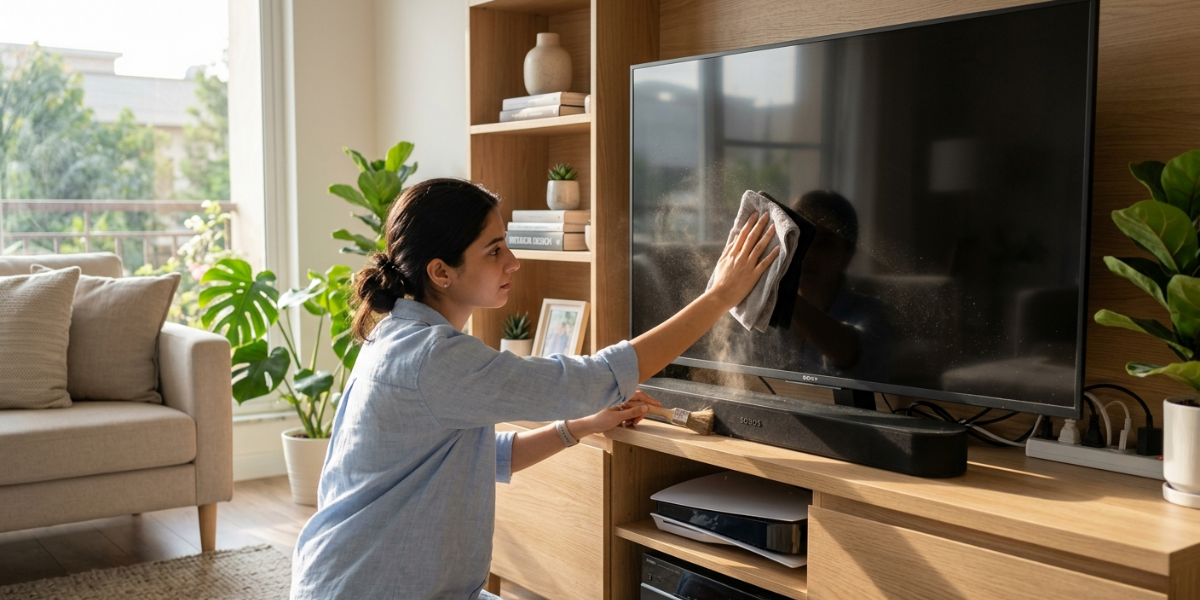
Start by turning off and unplugging all devices. This is important for safety and also makes it easier to see dust without glare. Use a dry microfiber cloth for the TV screen itself — this material is gentle enough not to scratch and effective enough to pick up dust without spreading it around. Never spray liquid directly onto a screen. If needed, lightly dampen the cloth (not wet — just barely damp) for smudges.
For the TV unit shelves, cable areas, and back panels, use a slightly damp microfiber cloth followed by a dry one. Compressed air canisters are excellent for blasting dust out of vents, ports, and tight spaces behind equipment. Do this outside or in a well-ventilated space, as you’ll be releasing a lot of concentrated dust.
Use a soft-bristle brush or dry paintbrush to get into decorative grooves on wooden TV units. For glossy surfaces, avoid paper towels — they can leave fine scratches. Always use microfiber.
Cable management plays a big role in how easily you can clean this area. Bundled, organized cables are much easier to dust around than a tangled mess. Consider using cable ties or cable boxes to keep the area cleaner and more manageable.
Dust your TV unit at least once a week as part of your general cleaning routine, and do a more thorough clean of vents and back panels once a month.
Building a Weekly Living Room Cleaning Routine
Having a system makes everything easier. Here’s a simple, realistic weekly plan that covers sofa maintenance, carpet care, and TV unit upkeep:
Monday: Quick sofa vacuum with upholstery attachment. Fluff cushions. Wednesday: Full carpet vacuum with slow, overlapping passes. Friday: TV unit dusting with microfiber cloth. Wipe screens. Weekend: Rotate between deeper sofa spot-cleaning, carpet deodorizing, and thorough cable area dusting.
This keeps your living room consistently clean without requiring a marathon session every week. Consistency beats intensity every time.
Common Mistakes to Avoid
Even well-meaning cleaning efforts can go wrong. Here are the biggest mistakes people make with living room cleaning:
Over-wetting fabric sofas is one of the most common errors. Too much moisture leads to mold and mildew forming deep inside the cushioning — and that smell is nearly impossible to remove. Always use minimal moisture and allow plenty of drying time.
Scrubbing carpet stains spreads them and pushes them deeper. Always blot gently from the outer edge of the stain inward.
Using glass cleaner on TV screens — products containing ammonia or alcohol can damage anti-reflective coatings. Stick to distilled water or screen-specific cleaners.
Vacuuming too quickly — rushing through carpet vacuuming leaves most of the deep-down dirt behind. Slow down for better results.
FAQ: Sofa Cleaning, Carpet Vacuuming, and TV Unit Dusting
Q1: How often should I deep clean my sofa? A deep clean every one to three months is ideal for most households. If you have pets, kids, or allergies, monthly deep cleaning is better. Regular weekly vacuuming between deep cleans keeps things manageable and prevents heavy buildup.
Q2: Can I use a steam cleaner on my carpet? Yes, steam cleaning is one of the most effective methods for deep carpet cleaning. It kills dust mites and bacteria without chemicals. However, it’s best used a few times a year rather than weekly, as excess moisture can affect the carpet backing and subfloor if not dried properly.
Q3: What’s the best way to remove pet hair from a sofa? A rubber glove run over the sofa surface works surprisingly well for gathering pet hair. A lint roller is great for quick touch-ups. For deep cleaning, the upholstery attachment on your vacuum with a rotating brush head will pull pet hair from deep in the fibers.
Q4: Is it safe to use wet wipes on a TV screen? Regular wet wipes often contain alcohol or other chemicals that can damage screen coatings. Use wipes specifically designed for electronics, or a barely-damp microfiber cloth with distilled water. Always apply moisture to the cloth — never directly to the screen.
Q5: Why does my carpet still smell after vacuuming? Vacuuming removes dirt and debris but doesn’t always neutralize odors. For persistent smells, apply baking soda to the carpet, leave for 15–30 minutes, then vacuum thoroughly. For deeper odor issues — especially from pets — an enzymatic carpet cleaner breaks down the organic compounds causing the smell more effectively.