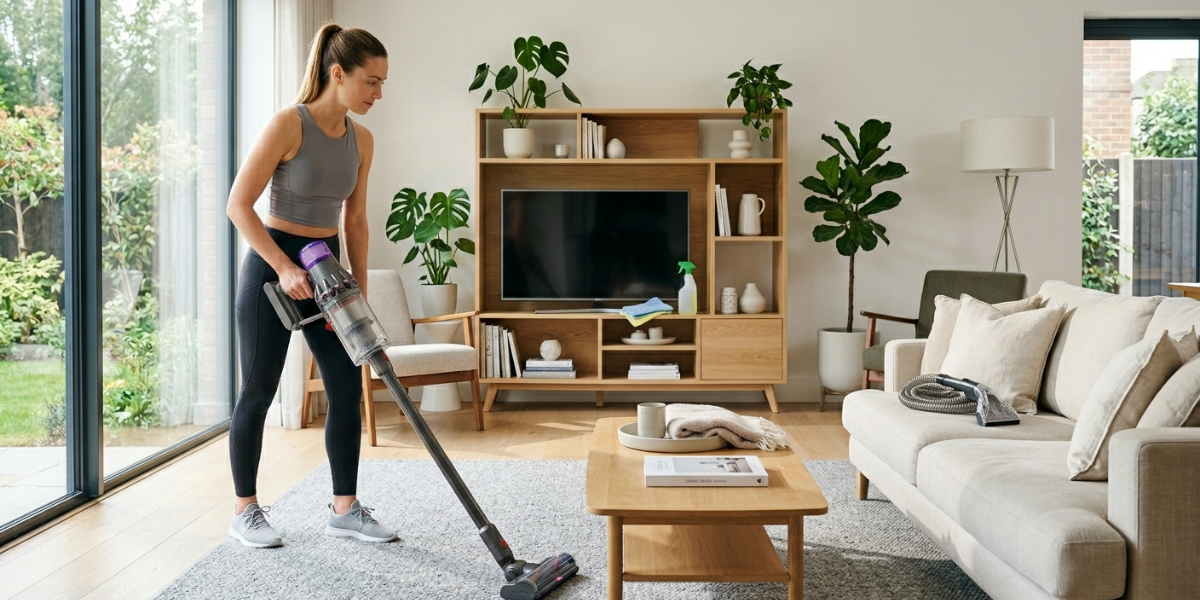



Walk into any home with clean carpets, and you instantly feel the difference. There’s something warm and welcoming about a freshly cleaned floor. But carpets are also one of the hardest-working surfaces in your home — they trap dust mites, pet dander, food crumbs, allergens, and all kinds of mystery stains. That’s exactly why regular carpet cleaning is so important. Whether you’re a first-timer or a cleaning enthusiast looking to level up your routine, this guide walks you through everything you need to know — from quick everyday maintenance to deep-cleaning methods that make your carpets look brand new.
Why Regular Carpet Cleaning Matters More Than You Think
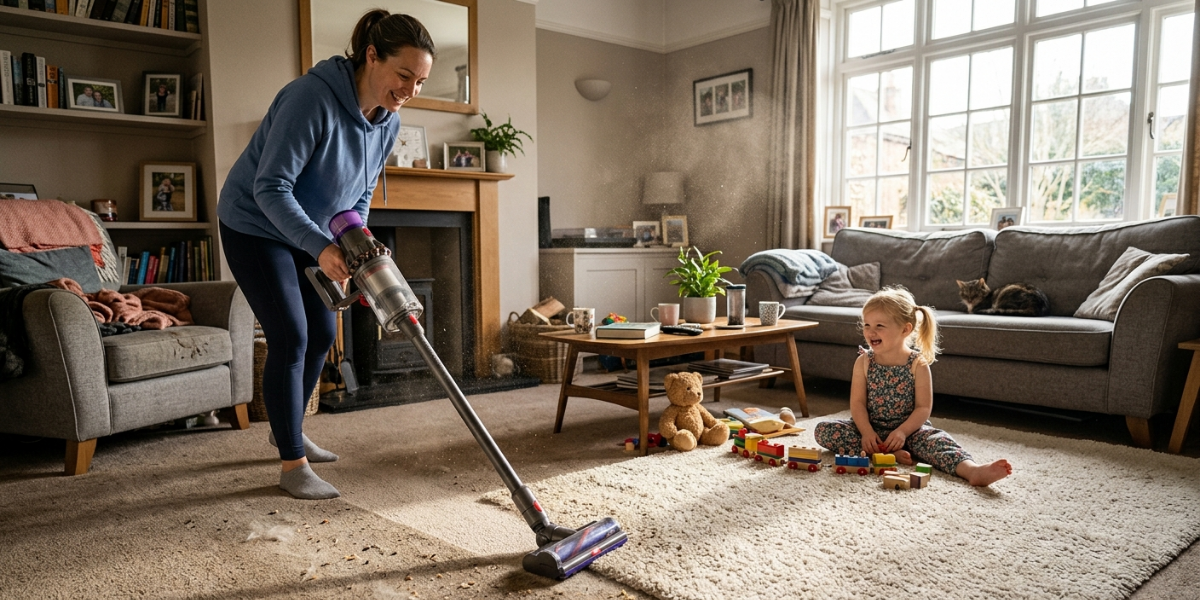
Most people vacuum their carpets and call it a day. But vacuuming only removes surface-level debris. Deep inside your carpet fibers, there’s a whole ecosystem of allergens, bacteria, and embedded dirt that a vacuum simply can’t reach.
Studies have shown that carpets can hold up to four times their weight in dirt. That means even a carpet that looks clean can be hiding a surprising amount of grime. Over time, this buildup affects indoor air quality, triggers allergies, and wears down carpet fibers faster.
Here’s why making carpet maintenance a priority pays off:
- Better air quality: Carpets act like giant filters, trapping airborne pollutants. When they’re full, those particles get released back into the air every time someone walks across the room.
- Longer carpet life: Regular cleaning prevents dirt from grinding down and breaking apart carpet fibers, which causes that worn, matted look.
- Healthier home environment: Dust mites, mold spores, and pet allergens thrive in dirty carpets. Cleaning removes these health hazards.
- Fresher smell: Odors from pets, cooking, and everyday living settle into carpets. Proper cleaning eliminates these smells at the source.
The general recommendation from most flooring experts is to deep clean your carpets at least once or twice a year, and more frequently in high-traffic areas or homes with pets and children.
The Most Popular Carpet Cleaning Methods Explained
Not all carpet cleaning methods are created equal. The best one for your home depends on your carpet type, the level of soiling, and how much drying time you can tolerate.
Hot Water Extraction (Steam Cleaning)
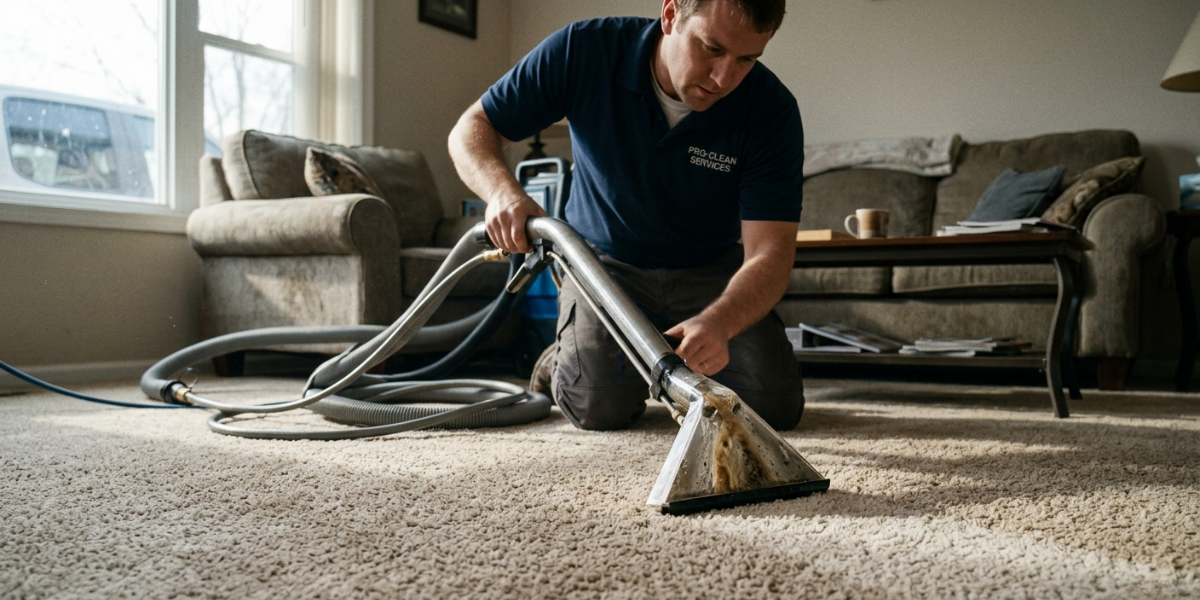
Hot water extraction, commonly called steam cleaning, is widely considered the gold standard in professional carpet cleaning. It works by injecting hot water mixed with a cleaning solution deep into the carpet fibers under high pressure, then immediately extracting it along with loosened dirt and debris.
This method is highly effective at removing deep-set stains, bacteria, and allergens. Most professional carpet cleaners use this technique. The main downside is drying time — carpets can take anywhere from 6 to 24 hours to dry completely.
Dry Carpet Cleaning
Dry cleaning uses a minimal amount of moisture along with a dry cleaning compound or powder that is worked into the carpet and then vacuumed up. This method is great when you need a quick turnaround because there’s virtually no drying time.
It’s ideal for commercial spaces and lightly soiled carpets but may not be as effective on heavy stains or deeply embedded dirt.
Carpet Shampooing
Carpet shampooing is one of the oldest methods and involves applying a foamy shampoo to the carpet, scrubbing it in with a machine, and then vacuuming up the residue once it dries. It can be effective for heavily soiled areas but tends to leave behind a sticky residue if not done properly, which can actually attract more dirt over time.
Bonnet Cleaning
Bonnet cleaning is a surface-level method often used in hotels or commercial settings for quick maintenance cleaning. A motorized machine with an absorbent pad soaks up surface dirt. It’s fast but doesn’t tackle deep grime.
Encapsulation Cleaning
Encapsulation is a low-moisture technique where a special crystallizing polymer solution is applied to the carpet. It surrounds dirt particles and crystallizes them so they can be easily vacuumed away. This method is eco-friendly, dries quickly, and leaves behind no sticky residue.
DIY Carpet Cleaning: What You Need and How to Do It Right
You don’t always need to call in the professionals. With the right tools and a bit of elbow grease, DIY carpet cleaning can deliver impressive results.
Essential Supplies for Home Carpet Cleaning
| Supply | Purpose |
|---|---|
| Carpet cleaning machine or rental unit | Deep cleans with hot water extraction |
| Carpet cleaning solution | Breaks down stains and dirt |
| White microfiber cloths | Blotting stains without spreading them |
| Baking soda | Absorbs odors naturally |
| White vinegar | Natural deodorizer and mild stain remover |
| Dish soap | Effective on grease-based stains |
| Stiff brush or carpet rake | Loosens embedded dirt before vacuuming |
Step-by-Step Home Carpet Cleaning Process
Step 1 – Vacuum Thoroughly Before any wet cleaning, vacuum the entire area carefully. Go over high-traffic spots at least twice, moving in different directions to lift carpet fibers and loosen debris.
Step 2 – Pre-treat Stains Apply a stain remover or homemade solution (mix one tablespoon of dish soap with two cups of warm water) to visible stains. Let it sit for 5–10 minutes, then blot — never rub — with a clean white cloth.
Step 3 – Deep Clean with a Machine If you own or rent a carpet cleaner, fill it with hot water and the recommended cleaning solution. Work in overlapping rows from the far end of the room toward the door so you don’t walk on the cleaned areas.
Step 4 – Rinse Run a second pass with plain water to remove any soap residue. Leftover detergent residue can make carpets feel stiff and attract dirt faster.
Step 5 – Dry Completely Open windows, use fans, and turn on the air conditioning or heat to speed up drying. Walking on wet carpets re-embeds dirt and can cause mold if moisture lingers too long.
Tackling the Toughest Carpet Stains
Every carpet owner has faced a nightmare stain at some point. Here’s how to handle the most common culprits using targeted stain removal techniques.
Pet Stains and Odors
Pet urine is one of the most challenging stains because it soaks deep into fibers and the padding beneath. The key is to act fast:
- Blot up as much liquid as possible immediately.
- Apply a mixture of white vinegar and water (equal parts), let it sit for a few minutes, then blot again.
- Sprinkle baking soda over the area and let it sit overnight to absorb remaining odor.
- Vacuum in the morning.
For set-in stains, an enzyme-based cleaner is the best option. These products break down the proteins in pet waste that cause persistent odors.
Red Wine and Coffee
Blot immediately, then apply cold water mixed with a small amount of dish soap. Work from the outer edge of the stain inward to prevent spreading. For stubborn stains, a commercial oxygen-based carpet cleaner works very well.
Grease and Oil
Sprinkle cornstarch or baking soda on the stain to absorb the grease. Leave it for 15–20 minutes, then vacuum. Follow up with a small amount of dish soap diluted in warm water, blotting carefully.
Mud
Let it dry completely first — cleaning wet mud just spreads it further. Once dry, break up the dried mud and vacuum. Then treat any remaining discoloration with a mild cleaning solution.
Professional Carpet Cleaning: When to Call the Experts
There are times when professional carpet cleaning services are simply the better choice. Professionals have industrial-grade equipment, specialized solutions, and the experience to handle challenging situations.
Consider hiring professionals when:
- Your carpets haven’t been deep cleaned in over a year
- You’re dealing with water damage or potential mold growth
- There are stubborn stains that DIY methods haven’t resolved
- You have delicate or wool carpets that require special care
- You’re preparing a home for sale or moving into a new place
What Does Professional Carpet Cleaning Cost?
Professional carpet cleaning costs vary based on location, carpet size, and method used. On average, expect to pay:
| Area Size | Average Cost |
|---|---|
| One room (up to 200 sq ft) | $25–$75 |
| Whole home (3 bedrooms) | $120–$250 |
| Hot water extraction (per room) | $50–$100 |
| Dry cleaning (per room) | $30–$80 |
| Stain treatment (per stain) | $20–$40 |
Prices can vary significantly, so always get multiple quotes and ask about what’s included.
Carpet Cleaning for Allergies and a Healthier Home
If anyone in your household suffers from asthma, hay fever, or dust allergies, your carpets deserve extra attention. Carpets are known to harbor allergens like dust mites, pet dander, mold spores, and pollen — all of which can trigger serious reactions.
Here’s how to keep your carpets allergy-friendly:
- Vacuum twice a week using a vacuum with a HEPA filter, which captures 99.97% of microscopic particles rather than blowing them back into the air.
- Deep clean every 3–6 months instead of annually if allergies are a concern.
- Use a dehumidifier to keep indoor humidity below 50%, which discourages dust mite growth.
- Choose low-VOC carpet cleaning products to avoid adding chemical irritants to the air.
- Consider using steam cleaning regularly, as the high heat kills dust mites and bacteria without chemicals.
How to Maintain Carpets Between Deep Cleans
Regular carpet maintenance goes a long way toward keeping your home fresh and extending the life of your flooring investment.
Smart Carpet Care Habits
- Vacuum regularly — at least once or twice a week in high-traffic areas, once a week elsewhere.
- Use doormats at every entrance to catch dirt before it gets tracked in.
- Implement a no-shoes policy indoors. Shoes bring in outside contaminants, including bacteria and tiny rocks that act like sandpaper on carpet fibers.
- Rotate your furniture periodically to prevent uneven wear and avoid permanent indentations.
- Address spills immediately — the longer a stain sits, the harder it becomes to remove.
- Use carpet protectors under heavy furniture legs to prevent crushing fibers.
- Apply a carpet protector spray after cleaning to create a barrier against future stains.
Small habits like these can cut your deep cleaning frequency in half and keep your carpets looking vibrant for years.
Eco-Friendly Carpet Cleaning: Clean Green
More homeowners are turning to green carpet cleaning methods that are safe for kids, pets, and the planet. Traditional cleaning products often contain harsh chemicals that can irritate skin and lungs and pollute waterways.
Natural carpet cleaning solutions that actually work:
- Baking soda: Deodorizes and absorbs moisture. Sprinkle, let sit for 30 minutes or overnight, then vacuum.
- White vinegar: A natural disinfectant and deodorizer. Mix with water for an everyday spot cleaner.
- Castile soap: A plant-based soap that’s effective and biodegradable.
- Essential oils: Adding a few drops of tea tree or lavender oil to your cleaning solution provides natural antibacterial properties and a pleasant scent.
When choosing commercial products, look for certifications from organizations like the EPA Safer Choice Program or Green Seal, which verify that products meet environmental and safety standards.
Frequently Asked Questions About Carpet Cleaning
Q1: How often should I have my carpets professionally cleaned? Most flooring manufacturers and cleaning professionals recommend a professional deep clean every 12 to 18 months for average households. However, if you have pets, children, or allergy sufferers in the home, every 6 to 12 months is a better target. High-traffic commercial spaces may need cleaning even more frequently.
Q2: Can I walk on my carpet right after cleaning? It’s best to avoid walking on freshly cleaned carpets until they’re completely dry. Wet carpet fibers are more vulnerable to re-soiling and can develop mildew if foot traffic is heavy before drying is complete. Use rugs or booties in doorways to protect the cleaned areas, and aim to schedule cleaning on a day when you can keep the area clear for at least 6–8 hours.
Q3: Will carpet cleaning remove all stains? Most fresh stains can be removed with prompt treatment and the right technique. However, set-in stains — especially those that have been treated incorrectly in the past — can be very difficult or impossible to fully remove. Permanent dye stains from bleach, some wines, and certain medications may leave a trace even after professional treatment. The sooner you address a stain, the better your chances of complete removal.
Q4: Is steam cleaning safe for all carpet types? Hot water extraction works well on most synthetic carpets, including nylon, polyester, and olefin. However, it may not be suitable for natural fiber carpets like wool, sisal, or jute, which can shrink, distort, or be damaged by excessive moisture. Always check the manufacturer’s care instructions before choosing a cleaning method, and when in doubt, consult a professional who specializes in delicate carpet cleaning.
Q5: How do I get rid of carpet odors without replacing the carpet? Start with a generous application of baking soda over the affected area — leave it overnight to absorb odors, then vacuum thoroughly. For persistent pet odors, use an enzyme-based cleaner that breaks down odor-causing proteins. A thorough steam cleaning can also neutralize most embedded smells. If odors persist after multiple treatments, the issue may have penetrated the carpet padding, which may need to be replaced.
Conclusion: A Clean Carpet Is a Healthier, Happier Home
Carpet cleaning isn’t just about looks — it’s about creating a healthier, more comfortable living space for you and the people you care about. From regular vacuuming and prompt stain treatment to periodic professional deep cleans, every step you take adds up. The good news is that with the right knowledge and tools, keeping your carpets clean doesn’t have to be a major chore. Start with simple habits, address problems quickly, and schedule a professional clean at least once a year. Your carpets — and your family — will thank you.
Total Word Count: ~2,120 words
Meta Description: Learn the best carpet cleaning methods, DIY tips, stain removal tricks, and when to hire professionals. Keep your carpets fresh and allergen-free year-round.
Image Alt Text: Professional carpet cleaning with steam cleaner on living room floor

Other Articles