




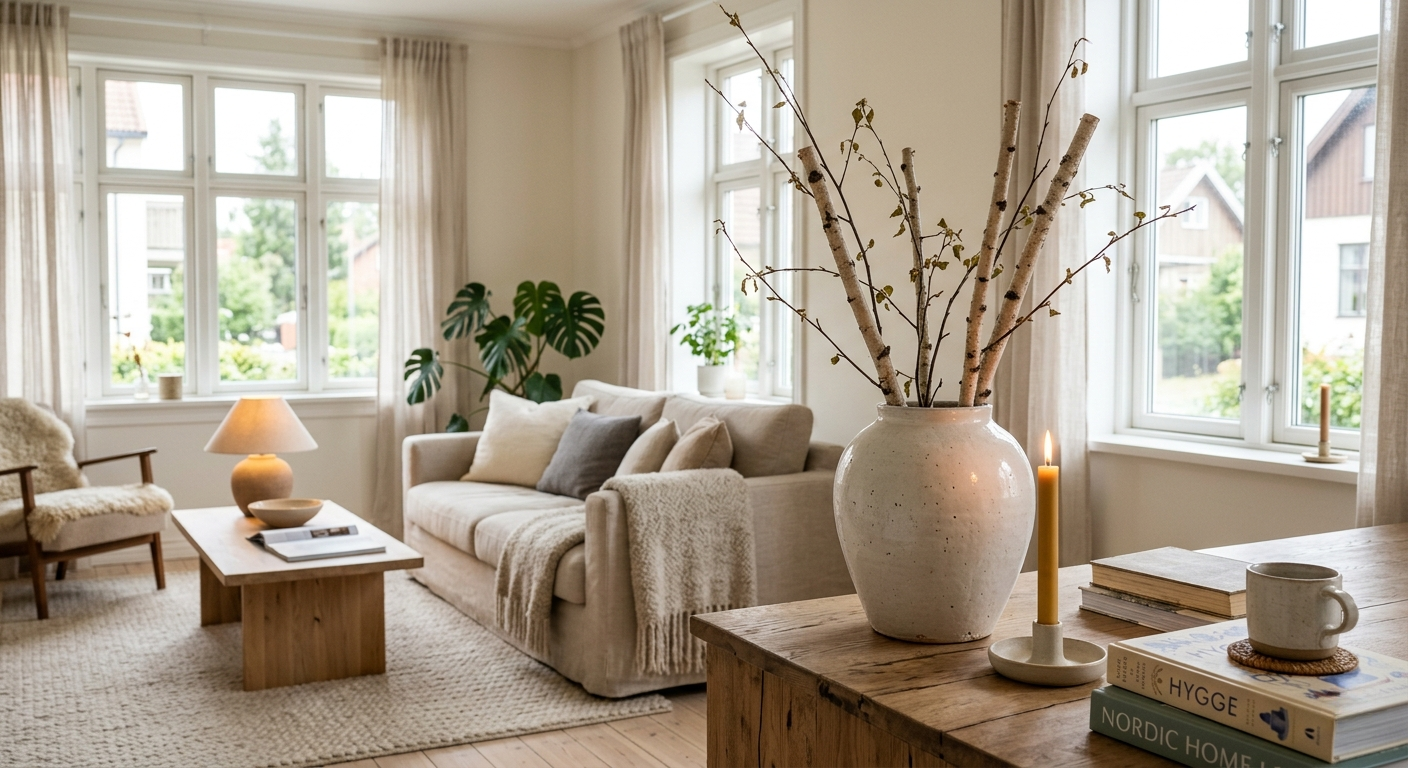
If you’ve ever walked into a beautifully decorated Nordic home and wondered what gives it that warm, natural elegance — chances are, pyntekvister played a big role. Pyntekvister, which translates roughly to “decorative branches” in Norwegian and Danish, are one of the smartest and most affordable ways to bring nature indoors. They’re incredibly versatile, easy to style, and work in almost every kind of living space.
Whether you’re brand new to Scandinavian interior styling or you’ve been decorating with natural elements for years, this guide will walk you through everything you need to know. From choosing the right branches to styling them like a professional decorator, you’ll find practical tips, inspiring ideas, and easy hacks that genuinely work.
Let’s dive in and explore the wonderful world of pyntekvister.
What Are Pyntekvister and Why Are They So Popular?
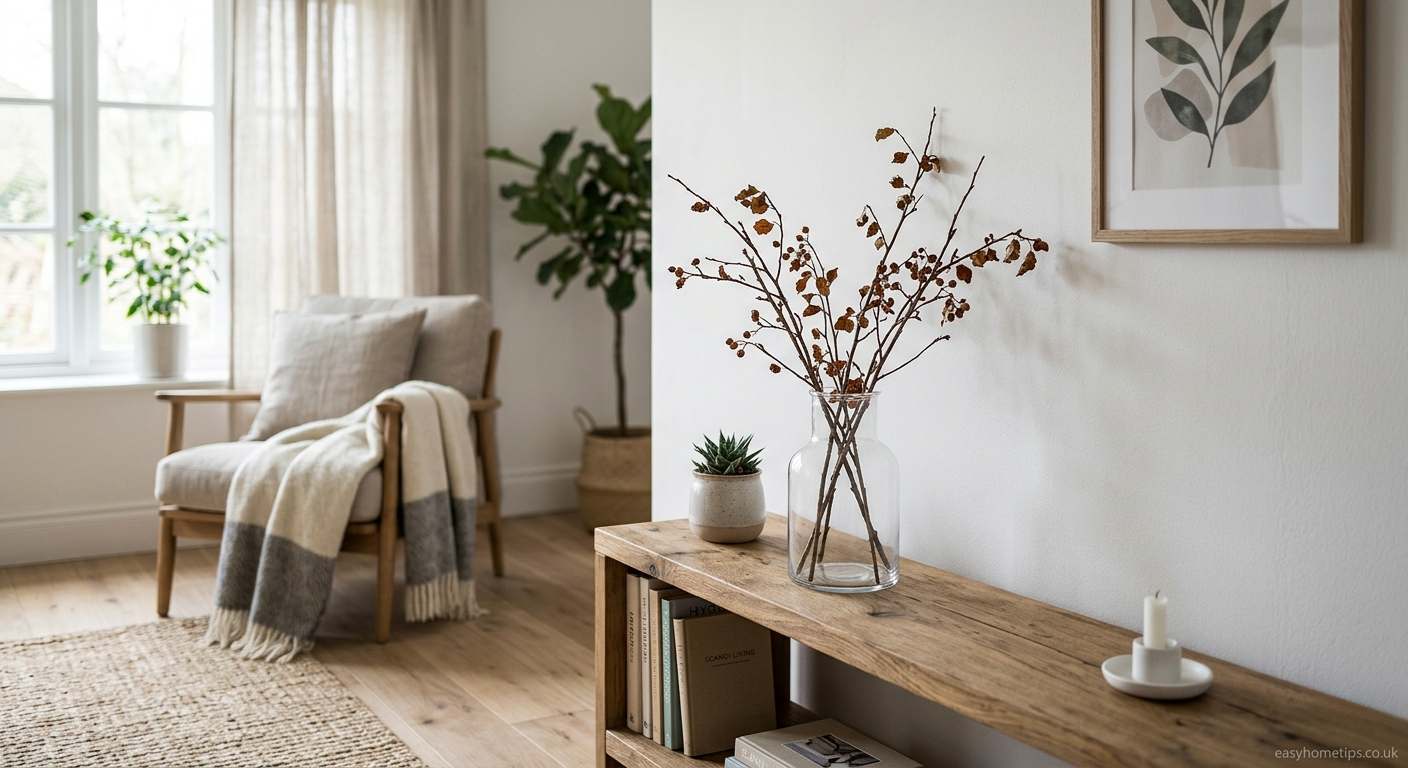
Pyntekvister literally means “decorative twigs” or “decorative branches” in Scandinavian languages. The concept comes straight from the heart of Nordic interior design, where nature is always close at hand — even indoors.
The Scandinavian Philosophy Behind Branch Décor
The popularity of pyntekvister ties directly into the wider Scandinavian lifestyle philosophy — think hygge (the Danish art of coziness), lagom (the Swedish concept of “just enough”), and friluftsliv (the Norwegian love of outdoor life). All three of these ideas celebrate simplicity, nature, and intentional living.
Bringing branches indoors reflects a deep respect for the natural world. It’s a way of grounding yourself in the seasons and creating a calm, organic atmosphere at home. This is why minimalist branch arrangements have become so beloved not just in Scandinavia but across the entire globe.
Why Everyone Is Loving Pyntekvister Right Now
There are several reasons this trend has exploded in popularity:
- They’re incredibly cost-effective — branches can literally be gathered from your garden or a local park.
- They’re eco-friendly, with zero waste and fully biodegradable materials.
- They adapt easily to every season, making them a year-round decoration solution.
- They work beautifully in both modern and rustic interior styles.
- They add height, texture, and visual interest to any space.
Social media platforms like Pinterest and Instagram have given pyntekvister a massive global audience, inspiring millions of people to experiment with natural home styling.
How to Choose the Best Branches for Pyntekvister
Selecting the right branches is the foundation of a beautiful pyntekvister display. Not all branches are created equal, and knowing what to look for makes a huge difference.
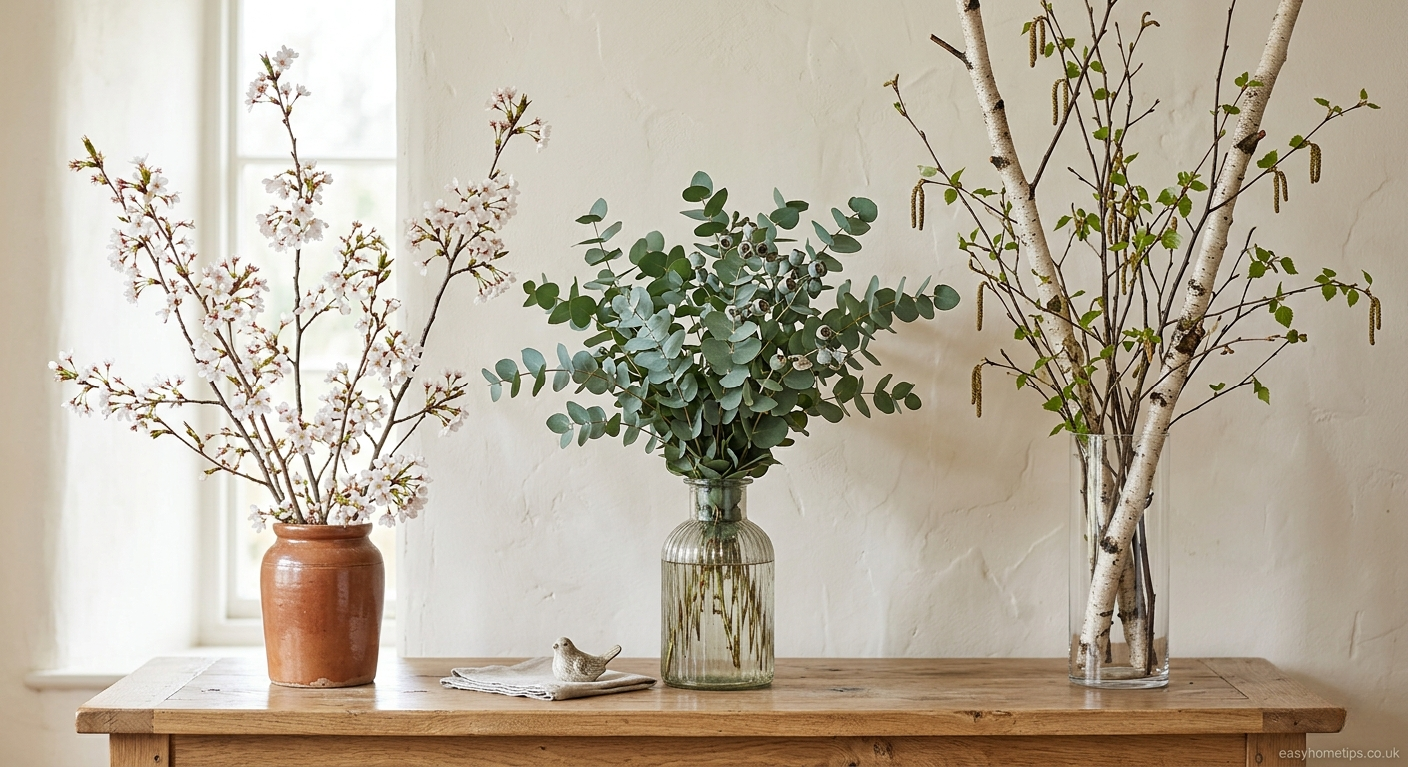
Popular Branch Types for Decorative Displays
| Branch Type | Best Season | Key Visual Appeal | Ideal Vase Style |
|---|---|---|---|
| Birch branches | Year-round | White bark, elegant lines | Tall ceramic or glass |
| Cherry blossom branches | Spring | Pink blooms, romantic feel | Wide-mouth ceramic |
| Eucalyptus branches | Year-round | Silver-green foliage, fragrant | Simple stoneware |
| Willow branches | Spring/Summer | Flexible, flowing form | Rustic basket or clay pot |
| Oak or beech branches | Autumn | Rich brown tones, bold shape | Dark wooden vase |
| Dried cotton branches | Autumn/Winter | Fluffy white tips, cozy feel | Linen-wrapped vase |
| Pussy willow branches | Late winter/Spring | Soft catkins, delicate look | Minimalist glass vase |
Tips for Gathering and Preparing Your Branches
First, always check that you’re allowed to trim branches from the location you’re visiting. Many parks and public spaces have rules about this. Once you have your branches:
- Trim any damaged sections with clean, sharp pruning shears.
- Remove excess leaves from the lower stems so they fit cleanly into your vase.
- Soak fresh branches in water overnight to keep them hydrated and fresh longer.
- Dry branches thoroughly if you want them to last for months without water.
- Spray with hairspray or fixative to preserve dried arrangements and prevent shedding.
Using locally sourced natural materials whenever possible keeps things sustainable and connects your décor to your actual environment.
7 Smart and Proven Ways to Style Pyntekvister at Home
Now that you know what branches to choose, let’s talk about how to style them beautifully. These are seven tried-and-tested approaches that interior decorators and home styling enthusiasts swear by.
1. The Tall Vase Statement Piece
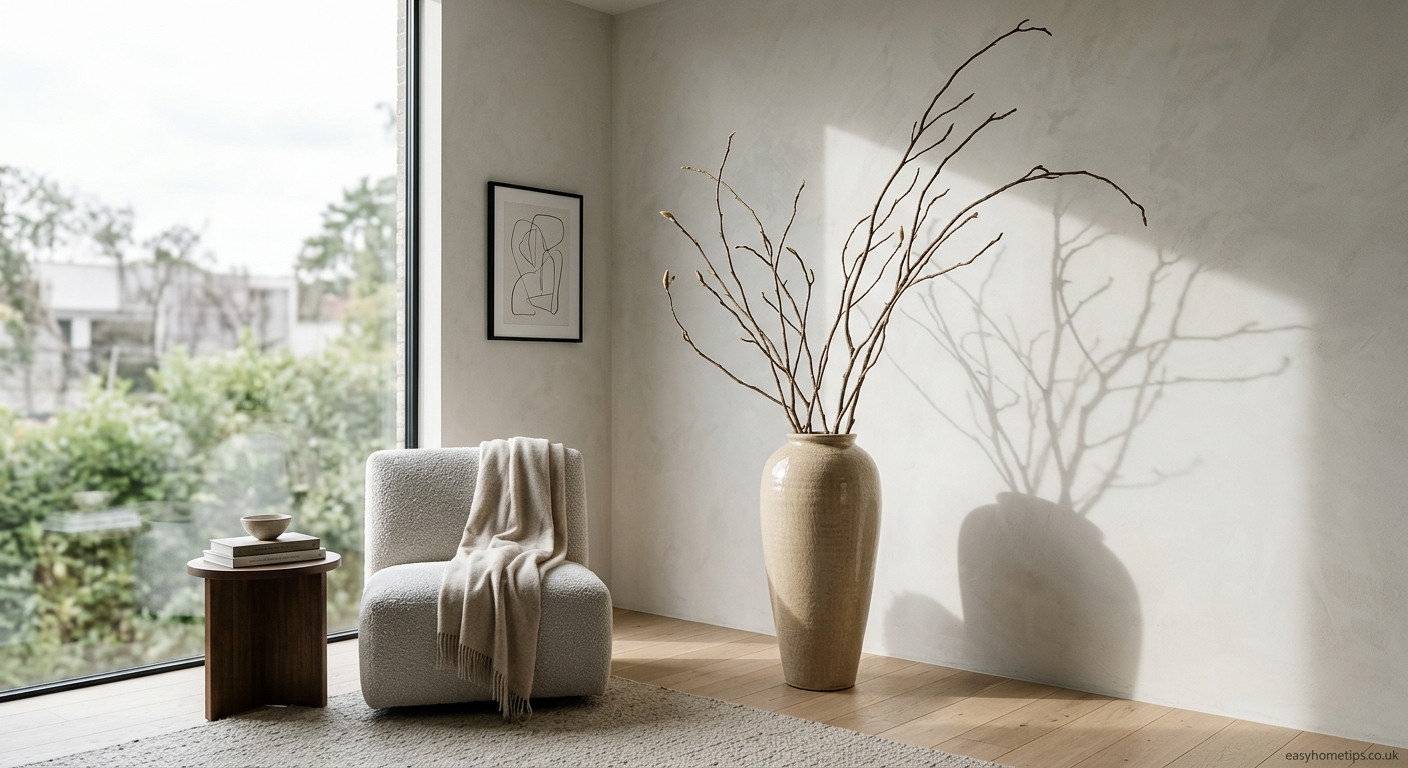
One of the most powerful ways to use pyntekvister is to go tall and dramatic. Place long, slender branches — like birch or willow — in a tall floor vase near a blank wall or in a corner. This creates an instant focal point and adds a sculptural element to any room.
2. The Minimalist Table Centerpiece
For dining tables or coffee tables, keep it simple. Use 3–5 shorter branches in a low ceramic bowl or wide-mouthed vase. Add a few dried flowers or small stones around the base for a grounded, natural centerpiece effect.
3. Seasonal Themed Arrangements
Rotate your pyntekvister with the seasons for a home that always feels fresh and intentional:
- Spring: Cherry blossom or forsythia branches with small budding flowers
- Summer: Eucalyptus and greenery with lush, full leaves
- Autumn: Bare oak branches with dried autumn leaves or small decorative pumpkins
- Winter: White birch branches decorated with fairy lights or hanging ornaments
4. Hanging Branch Display
Attach a horizontal branch to the wall or ceiling using rope or twine, then hang smaller branches, dried flowers, or lightweight objects from it. This creates a beautiful boho-inspired decorative element that works wonderfully in bedrooms and living rooms.
5. Branch and Fairy Light Combination
Draping warm fairy lights through a tall branch arrangement is one of the easiest ways to create a cozy, magical ambiance. This technique is especially popular during winter months and fits perfectly into the hygge aesthetic.
6. Entryway Branch Display
First impressions matter. A well-placed pyntekvister arrangement in your entryway sets the tone for your entire home. Use a tall stoneware vase with a few bold, architectural branches to welcome guests with warmth and natural style.
7. Bathroom Branch Styling
Don’t overlook the bathroom! Eucalyptus branches hung from your shower rod or a small dried twig arrangement on the bathroom shelf adds a spa-like, natural feel that transforms your daily routine.
What Are the Best Vases and Containers for Pyntekvister?
The container you choose is just as important as the branches themselves. The right vase can elevate a simple arrangement into a truly stunning display.
Matching Vase Styles to Branch Types
- Tall ceramic vases pair beautifully with long, linear branches like birch or bamboo.
- Rustic clay pots complement earthy, textured branches like oak or dried cotton stems.
- Clear glass vases let the full length of the branch show, adding a modern, clean look.
- Woven baskets bring a warm, natural texture that suits boho and farmhouse styles.
- Dark matte vases create a bold contrast against pale birch or white cotton branches.
Size and Proportion Rules
A good general rule is that your branches should be 1.5 to 2 times the height of your vase. This creates a visually balanced and elegant silhouette. Going taller can work for dramatic effects, but shorter branches tend to look crowded and heavy in relation to a tall container.
Always make sure your vase is heavy enough (or weighted with stones) to support taller branches without tipping over.
How to Decorate Pyntekvister for Every Season and Occasion
One of the greatest strengths of pyntekvister is their incredible seasonal versatility. With just a few small additions, you can reinvent the same branches multiple times throughout the year.
Spring and Easter Pyntekvister
In spring, branches naturally start to bud and bloom — making this the most magical time of year for pyntekvister. Look for flowering cherry branches, forsythia, or pussy willow. You can also enhance bare branches by clipping small faux flowers or painted Easter eggs onto the tips for a cheerful, festive look.
Christmas and Winter Pyntekvister
Winter pyntekvister is arguably the most popular variation. White birch branches in a tall vase become magical when decorated with:
- Small hanging ornaments in gold, silver, or red
- Miniature LED string lights woven through the branches
- Pinecones and dried citrus slices tied with natural twine
- Artificial snow spray for a frosty, wintery appearance
This type of arrangement doubles as a beautiful alternative to a traditional Christmas tree — especially in smaller spaces.
Autumn Branch Arrangements
For autumn, lean into warm tones. Dried branches paired with cotton bolls, dried orange slices, and small gourds create a rich, cozy display. The natural textures and warm palette feel deeply seasonal and inviting.
Common Pyntekvister Mistakes to Avoid
Even the most enthusiastic decorators make a few missteps when working with decorative branches. Here are the most common mistakes — and how to easily avoid them.
Overcrowding the Vase
Less is almost always more with pyntekvister. Stuffing too many branches into a single vase creates a messy, chaotic look. Start with fewer branches than you think you need, then add one at a time until it feels balanced.
Ignoring Scale and Proportion
A tiny vase with huge branches or a large floor vase holding tiny twigs both look awkward. Always match the scale of your branches to your container and your room.
Neglecting to Change the Water
If you’re using fresh branches, change the water every 2–3 days to keep things clean and extend the life of your arrangement. Stagnant water causes bacteria buildup and shortens the freshness of your display.
Using Artificially Dyed Branches
While vibrant, artificially dyed branches can clash with the natural, organic aesthetic that makes pyntekvister so beautiful. Stick with natural tones and earthy colours for the most timeless results.
Frequently Asked Questions About Pyntekvister
What does pyntekvister mean in English?
Pyntekvister is a Scandinavian word that translates to “decorative branches” or “decorative twigs” in English. The term is most commonly used in Norwegian and Danish interior design contexts. It refers to the practice of using natural branches — fresh, dried, or preserved — as decorative elements inside the home.
How long do pyntekvister last?
The lifespan of your pyntekvister depends on whether the branches are fresh or dried. Fresh branches in water typically last anywhere from 1–3 weeks, depending on the species. Dried branches, on the other hand, can last for months or even years if kept away from direct sunlight and excessive humidity. Spraying dried arrangements with a light fixative spray helps preserve them even longer.
Can I use artificial branches for pyntekvister?
Absolutely! High-quality artificial branch arrangements are a great option, especially if you want a long-lasting display with zero maintenance. Modern faux branches look incredibly realistic and can be reused season after season. They’re especially popular for Christmas pyntekvister displays and other seasonal arrangements where longevity matters.
What is the best vase for pyntekvister?
The best vase depends on the branches you’re using and the style of your home. For a Scandinavian minimalist look, tall ceramic or stoneware vases in neutral tones work beautifully. For a boho or rustic style, woven baskets or clay pots are a great choice. For a modern aesthetic, clean-lined glass vases let the natural beauty of the branches take centre stage.
Where can I buy pyntekvister?
You can find decorative branches at florists, garden centres, craft stores, and online retailers. Many people also gather their own branches from their gardens or local forests (where permitted). Seasonal markets in autumn and winter often carry beautiful pre-made pyntekvister arrangements, especially leading up to Christmas. Online shops specialising in Scandinavian home décor are also an excellent source for high-quality, sustainably sourced decorative branches.
Conclusion
Pyntekvister are so much more than just branches in a vasehygge. They’re a beautiful, affordable, and endlessly versatile way to bring the outdoors inside and create a home that feels warm, natural, and alive. Whether you’re drawn to the clean lines of Scandinavian minimalism, the cosy warmth of hygge, or simply love the idea of decorating with natural materials, pyntekvister offer something genuinely special.
The best part? Getting started is incredibly easy. You don’t need to spend a lot of money, and you don’t need any special skills. All you need is a few beautiful branches, a vase you love, and a little creative curiosity.
So the next time you walk past a birch tree or spot some beautiful spring blossoms, think about what they could look like brightening up your living room. Your home — and your mood — will thank you for it.
Start your pyntekvister journey today, and discover just how transformative a little touch of nature can truly be.