




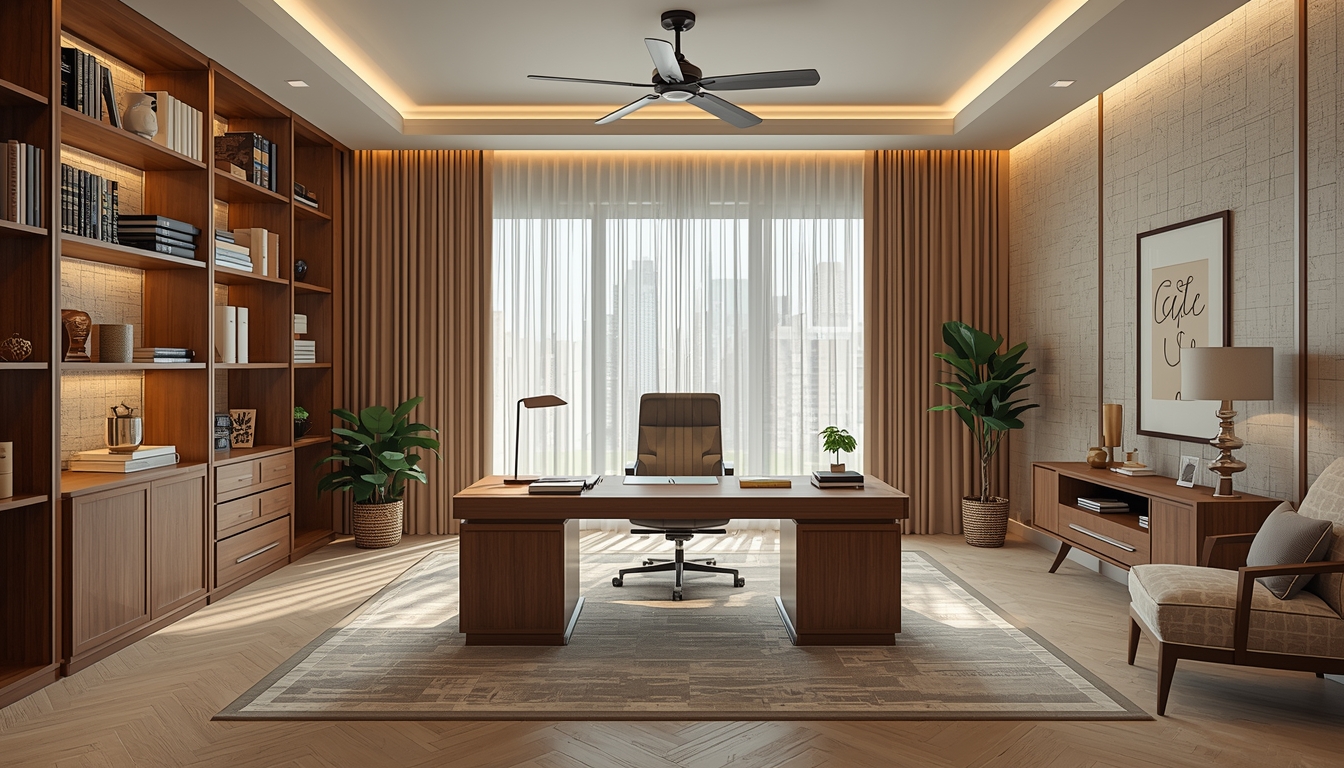
A thoughtfully planned home office can completely change how you work and feel every day. The right layout, smart storage, and well-chosen office decor turn an ordinary corner into a focused workspace that supports real productivity. Whether you’re upgrading a spare room or carving out a compact setup, this guide walks you through practical home office ideas and proven home office design strategies that balance comfort, style, and function. If you want a dream home office inside your modern home, you’ll find clear direction and inspiration here.
Outline
- How Do You Start Creating a Home office design ideas That Actually Works?
- How to Choose the Right Desk for Your Home Office?
- What Is the Ideal Home Office Layout for Better Workflow?
- Can Built-In Storage and Shelving Transform a Home Office?
- Should You Add Wallpaper or an Accent Wall to Your Home Office?
- How Do You Design a Small Home Office in a Small Space?
- Can a Bedroom Office or Guest Room Double as a Functional Workspace?
- What Lighting Setup Improves Focus and Comfort?
- How Do You Add Personality With Decor, Gallery Walls, and Bookshelves?
- What Final Details Turn a Basic Setup Into the Best Home Office?
How Do You Start Creating a Home Office That Actually Works?
The first step in creating a home office is defining how you plan to use it. Are you on video calls most of the day, or do you need quiet time for writing and planning? A clear purpose shapes every decision, from the desk you select to the storage solutions you install. When you work from home, distractions are everywhere, so your home office should feel intentional rather than temporary.
Start with a simple mood board. Collect images that reflect your personal style, preferred color palette, and layout ideas. This keeps your home office design focused and prevents random purchases. Think about how the space fits into your modern home while still feeling like a dedicated room for serious tasks.
Before buying anything, measure your available office space carefully. Even in a small home, you can create a space that feels structured and comfortable. The goal is to design a functional home office that supports daily routines instead of fighting against them.
How to Choose the Right Desk for Home Office Design Ideas?
Your desk is the foundation of any home office. The size, shape, and material affect both comfort and visual balance. If you need room for multiple monitors or paperwork, a larger wood desk or built-in desk may be ideal. For lighter tasks, a simple writing table can keep the desk area open and uncluttered.
When you choose a desk, think about storage. A desk with a drawer helps keep small items out of sight, while a cabinet nearby can handle larger supplies. This keeps the workstation clear and reduces visual noise. Smart storage is key if you want a polished look without sacrificing practicality.
Also consider ergonomics. Pair your desk and chair carefully so your arms and back stay supported. An ergonomic setup prevents strain, especially in a long-term work-from-home setup. The right desk height, a supportive desk chair, and proper spacing between your desk and office chair make a noticeable difference in comfort.
What Is the Ideal Home Office Layout for Better Workflow?
A thoughtful home office layout supports focus and movement. Position your desk where natural light is available, but avoid glare directly on your screen. Many people prefer a desk facing a window, while others like a desk facing into the room for a stronger sense of control over their workspace.
Think about how you move throughout the day. Keep frequently used items within reach and place office storage along one wall to maintain open pathways. A well-planned home office design avoids clutter and makes your work area feel calm rather than cramped.
If possible, dedicate a separate office space instead of working from a dining table. A dedicated room allows you to mentally switch between personal life and work from home responsibilities. Even in a compact layout, defining clear zones improves overall productivity.
Can Built-In Storage and Shelving Transform a Home Office?
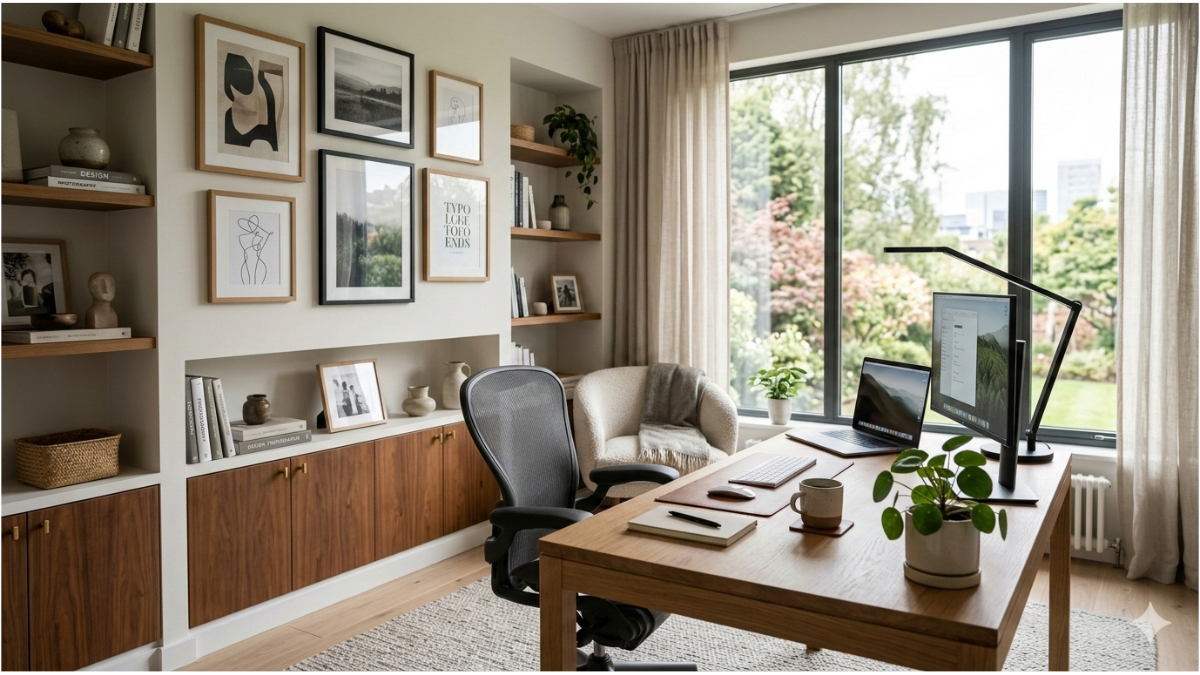
Adding built-in storage can completely elevate a home office. A built-in desk with surrounding bookcases creates a cohesive look while maximizing storage space. Floor-to-ceiling shelving provides room for files, decor, and supplies without wasting vertical height.
Floating shelves are a great alternative if you prefer a lighter design. Install them above your desk to hold books or display items without taking up floor space. This approach works well in a design studio or creative environment where visual inspiration matters.
Consider built-ins with closed cabinet sections to hide clutter. A combination of open shelve displays and concealed storage solutions keeps the room balanced. When your home office includes built-in features, it feels custom rather than temporary.
Should You Add Wallpaper or an Accent Wall to Your Home Office?
An accent wall can instantly add depth and personality to a home office. Whether you choose bold wallpaper or a subtle paint color, the goal is to create a focal point behind your desk. This is especially useful for video calls, where your background becomes part of your professional image.
Keep the color palette cohesive. Soft beige tones with natural wood tones create a calm atmosphere, while darker shades add drama. A well-chosen accent brings warmth without overwhelming the office space.
If patterns feel too busy, consider textured wallpaper instead. It adds interest while maintaining a clean look. The right accent wall transforms a simple room into an inspiring home environment.
How Do You Design a Small Home Office in a Small Space?
Designing a small home office requires smart planning. In a small space, every inch matters. Choose compact furniture and a desk that fits proportionally within the room. A wall-mounted option or built-in desk can save floor area.
Use vertical storage like a bookshelf or floating shelves to maximize storage space. Avoid bulky pieces that crowd the layout. Light paint color choices and mirrors can make a small home office feel larger than it is.
If your layout includes an alcove or nook, turn it into a focused desk area. Even a small home can support a stylish home office when the design is intentional. A careful home office setup in tight quarters can look polished and practical at the same time.
Can a Bedroom Office or Guest Room Double as a Functional Workspace?
A bedroom office is a common solution when space is limited. If you’re working with a guest bedroom, divide the room visually. Place the desk against one wall and keep the bed area separate with rugs or furniture placement.
In a guest room that doubles as a home office, use a side table or compact cabinet for additional storage. This keeps work items contained when guests arrive. The key is flexibility without sacrificing comfort.
A small nook in a larger bedroom can also serve as a practical workstation. Just make sure your desk area does not disrupt sleep routines. With careful planning, a guest room can transform into a functional home office during the day.
What Lighting Setup Improves Focus and Comfort?
Lighting plays a huge role in any home office. Start with natural light whenever possible. Position your desk near a window to reduce eye strain. Then layer additional sources like a table lamp or floor lamp to brighten darker corners.
A focused lamp on your desk ensures task lighting for reading or writing. Overhead fixtures paired with a ceiling fan keep the room comfortable throughout the day. Good lighting prevents fatigue and supports productivity without harsh glare.
Choose warm but clear bulbs that complement your overall interior design. Thoughtful lighting turns an average office space into a welcoming and efficient workspace.
How Do You Add Personality With Decor, Gallery Walls, and Bookshelves?
Your home office decor should reflect your personal touch. A gallery wall above your desk adds character while maintaining structure. Choose frames that align with your color palette for a cohesive look.
Incorporate a bookcase or bookshelf to display books and meaningful items. Mixing decorative objects with practical office storage keeps the design balanced. You can even upholster a small armchair to add comfortable seating for reading or brainstorming.
Add a bulletin board near your desk for notes and reminders. These decorating ideas help create a space that feels curated rather than generic. A thoughtful makeover brings life into your home office without distracting from work.
What Final Details Turn a Basic Setup Into the Best Home Office?
Small finishing touches often make the biggest difference. Upgrade your desk chair for better support. Adjust your desk facing direction if glare or distractions interfere with focus. Reevaluate your home office layout every few months to keep it functional.
Introduce layered textures through wood tones, fabric, and subtle decor. Even in a farmhouse-inspired space, balance rustic details with clean lines. A wall unit or extra bookcases can enhance built-in storage and improve organization.
Finally, remember that the best home office supports both efficiency and comfort. Whether you’re refining a wfh setup or planning a full home office makeover, aim to create a space that fits your routine and reflects your personal style. When you create a space that feels intentional, your entire work-from-home experience improves.
Key Takeaways
- Define how you’ll use your home office before buying furniture.
- Choose a desk that fits your tasks, storage needs, and room size.
- Plan a smart home office layout to improve workflow and comfort.
- Use built-in storage, floating shelves, and cabinets to reduce clutter.
- Add personality with wallpaper, a gallery wall, or a thoughtful accent wall.
- Make the most of a small home office with vertical storage and light colors.
- Design a bedroom office or guest room setup with flexibility in mind.
- Layer natural light, a table lamp, and a floor lamp for balanced lighting.
- Personal touches like a bookshelf, bulletin board, or armchair elevate the room.
- A well-planned home office design supports long-term productivity and comfort.