



Smart Homes and Smart Home Security: Choosing the Best Smart Home Security System for Modern Living

Smart homes have changed the way we think about comfort, control, and protection. What used to be a simple security system with a loud alarm has evolved into a fully connected smart home security system that works alongside lighting, climate, and entertainment. Today’s best home security systems are built around smart home technology, offering real-time alerts, remote access, and advanced monitoring that fits right into daily life.
This guide breaks down how smart homes work, what makes a reliable home security system, and how to choose the best smart home security system for your needs. If you’re planning to upgrade your home automation setup or simply want better home security solutions, you’ll find clear answers here.
Smart homes are houses equipped with connected technology that allows you to manage devices in your home through apps, voice commands, or automation. From smart bulbs and a smart thermostat to smart speakers and cameras, these devices work together inside a smart home ecosystem to make daily life easier.
At the center of many smart homes is a home security system. A modern security system does more than sound an alarm. It connects cameras, sensors, and smart security devices into one smart home system. This integration means you can monitor activity, adjust security settings, and respond quickly to unusual events.
The features of smart home setups often include integration with other smart platforms. For example, many systems integrate with other smart home services like Google Home, allowing voice control and automation routines that include smart light schedules and security measures.
2. Why Is Smart Home Security Essential Today?
Smart home security has become essential because the landscape of home security is changing. Traditional alarm systems were reactive. They triggered an alarm after a break-in. Today’s smart home security systems offer proactive monitoring, instant alerts, and advanced security that helps prevent security breaches before they escalate.
Many home security systems now provide real-time notifications directly to your phone. If a door opens unexpectedly or a camera detects motion, you are informed instantly. This enhanced security brings peace of mind whether you are at work, traveling, or sleeping upstairs.
Home security systems offer more than protection against theft. They support safety and security with features like smart smoke and carbon monoxide detection, water leak alerts, and emergency response options. Smart home security include multiple layers that help keep your home safe at all times.
3. How Does a Smart Home Security System Work?
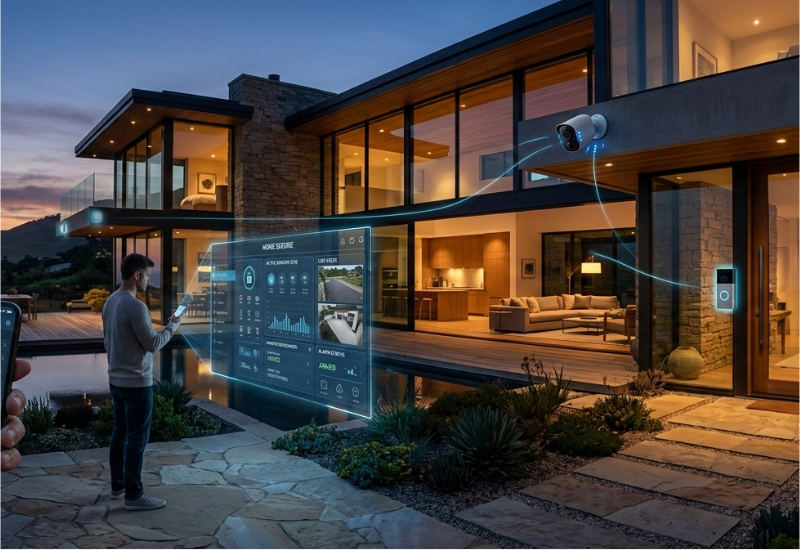
A smart home security system connects various security devices such as cameras, motion detectors, and door sensors to a central hub. This hub communicates with your smartphone app, giving you remote control over the entire security system.
Most systems allow you to arm or disarm your alarm, monitor your home, and review footage from a security camera in real time. Smart home security systems allow homeowners to receive alerts, adjust preferences, and even speak through a doorbell camera from anywhere.
The system includes components like smart sensors, cameras, and sometimes a smart lock. Many systems provide cloud storage for recorded video and options for professional monitoring. This smart security system approach ensures you can monitor and control your security without being physically present.
4. What Features of Smart Home Security Should You Look For?
When evaluating the features of smart home security, focus on reliability, ease of use, and compatibility. The best smart home security system should include smart cameras, motion detection, an alarm system, and clear mobile access.
Look for features of smart such as remote control, voice control, and customizable security settings. A strong home security system also offers an extra layer of security with two-factor authentication and encrypted data transmission to prevent security breaches.
Features of smart home security often include integration with devices like smart smoke detectors and outdoor camera units. Many systems offer battery backup, ensuring the security system continues working during power outages. The right combination of security features makes it easier to control your security and keep your home protected.
5. Which Types of Smart Home Security Systems Are Available?
There are different types of smart home security setups designed to fit various needs and budgets. DIY systems are popular for homeowners who prefer easy installation and flexibility. These systems offer simple setup and often come as a complete security kit.
On the other hand, professionally installed systems provide expert setup and monitoring. Many systems in this category include long-term service plans. Professionally installed systems may be ideal for larger smart homes or properties requiring advanced security.
When comparing types of smart options, consider whether you want basic monitoring or a full smart home automation system. Types of smart home solutions range from standalone alarm packages to complete home protection networks that integrate with other smart home products.
6. How Do Cameras Improve a Home Security System?
A camera is one of the most important parts of any modern security system. Cameras allow you to monitor your home visually and record events for later review. A security camera at the front door, backyard, or driveway acts as both a deterrent and a verification tool.
A doorbell camera lets you see who is at your door and communicate directly through your smartphone. An outdoor camera covers entry points and blind spots. Indoors, smart cameras can monitor hallways or living spaces for unusual movement.
Smart cameras and traditional security camera units are often equipped with night vision and motion alerts. These home security devices help protect your home by providing clear evidence if something goes wrong. Many smart home security products now include AI-based detection to reduce false alarms and improve home’s security.


7. What Role Do Smart Locks and Smart Devices Play?
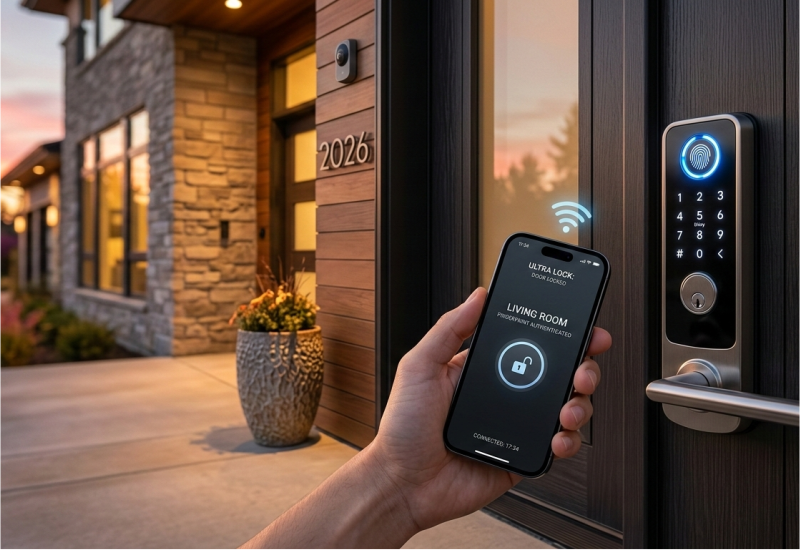
A smart lock adds both security and convenience. Instead of traditional keys, you can unlock doors using a smartphone app, keypad, or fingerprint. This makes it easier to manage your home and grant temporary access to guests.
Smart home devices like a smart thermostat, smart bulbs, and a smart speaker also contribute to smart security. For example, you can program a smart light to turn on automatically when motion is detected, creating the appearance that someone is home.
Devices like smart sensors detect door and window openings. These devices like smart detectors connect to your home automation system and trigger alerts if needed. Together, these smart products support security and convenience in daily life.
8. How Does Home Automation Strengthen Smart Security?
Home automation plays a key role in modern smart homes. With smart home automation, you can create routines that automatically arm your security system when you leave and disarm it when you return.
A smart home automation setup can include schedules for lighting, temperature adjustments through a smart thermostat, and automated locking with a smart lock. This level of automation helps keep your home safe without constant manual control.
Home security systems allow integration with other smart devices in your home. This integration with other smart platforms ensures that your security system works seamlessly with lighting, cameras, and alarms. Smart home security systems offer a more connected experience where everything functions as one coordinated network.
9. Are DIY Systems or Professionally Installed Systems Better?
Choosing between DIY systems and professionally installed systems depends on your needs. DIY systems are flexible and often more affordable. They are ideal for renters or homeowners who want full control over installation and upgrades.
Professionally installed systems, on the other hand, are managed by experts who handle setup and ongoing monitoring. Many systems offer 24/7 monitoring services that respond immediately to alarm triggers.
Both options can be part of the best home security systems available today. What matters most is that the security solution fits your property size, budget, and comfort level with technology. Make sure the system allows you to monitor and control your security effectively.
10. What Is the Future of Home Security in Smart Homes?
The future of home security is closely tied to advancements in smart home technology. As smart technology continues to evolve, smart homes will become even more intelligent and responsive.
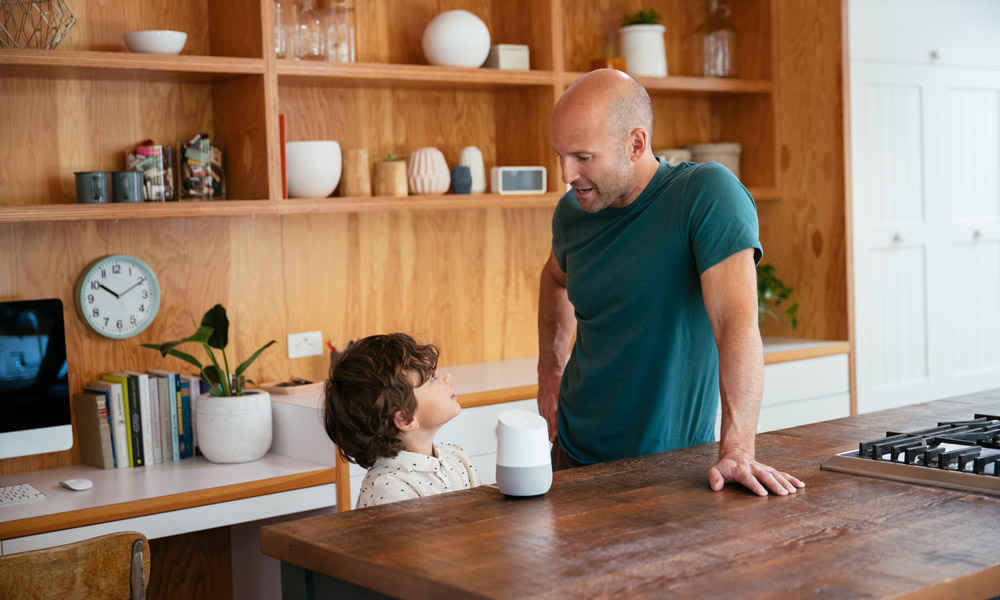
Artificial intelligence is improving camera detection accuracy, while voice control through smart speakers simplifies interaction. The future of home security will likely include more predictive analytics that identify unusual patterns before incidents occur.
As the landscape of home security continues to shift, many smart home security devices will focus on home protection and prevention rather than simple reaction. Smart home security systems allow homeowners to manage your home more efficiently while improving the safety of your home.



Key Takeaways
- Smart homes combine comfort, control, and a connected security system.
- A modern home security system goes beyond a basic alarm.
- Cameras, including a security camera and doorbell camera, are essential for monitoring.
- Smart lock technology improves both safety and convenience.
- Smart home security systems offer remote control and real-time alerts.
- Home automation strengthens protection by automating routines.
- DIY systems and professionally installed systems each have advantages.
- Enhanced security and advanced security features reduce security breaches.
- Integration with other smart devices improves overall home’s security.
- The future of home security will rely heavily on AI and smarter automation.
With the right setup, you can make your home more secure, efficient, and easier to manage every day.