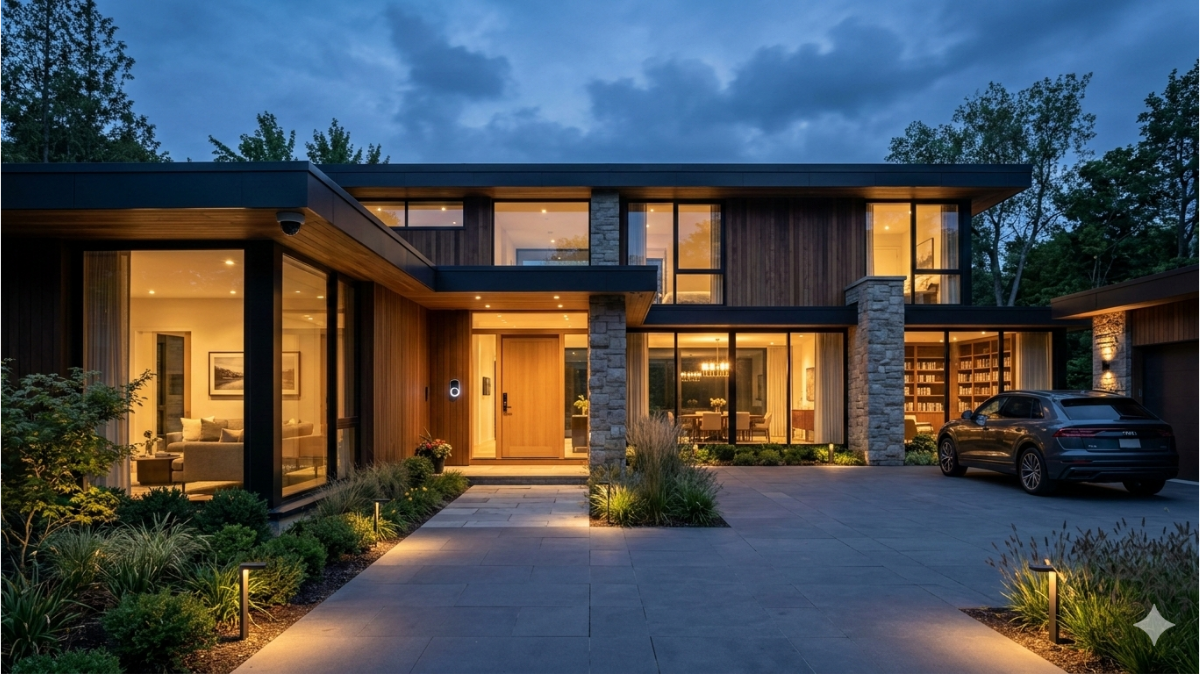




Smart Homes 2026: Best Smart Home Devices, Hub Systems, and Smart Home Technologies to Save Energy

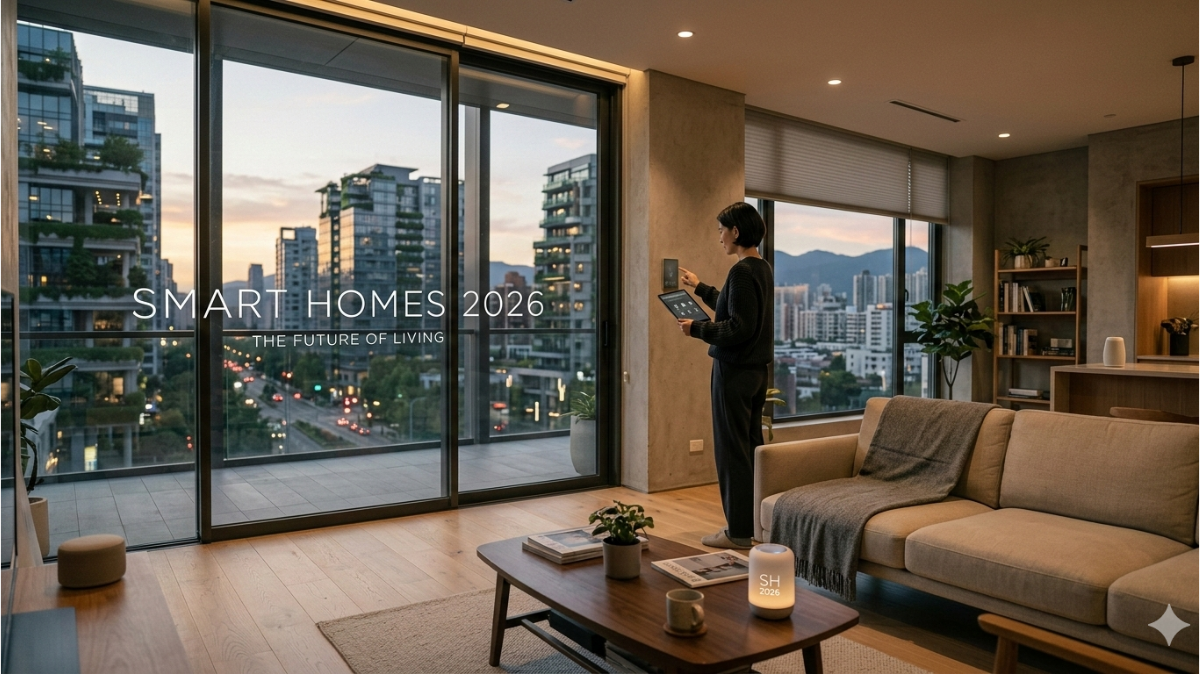
Smart homes are no longer a luxury for tech lovers. In 2026, a smart home device can help you save energy, boost comfort, and improve daily life in ways that feel simple and natural. From the best smart home devices to advanced smart home technologies, today’s systems are easier to install and manage through a central hub and voice assistants. This guide breaks everything down so you can understand how smart homes work, which smart home products matter most, and how to make your home more efficient and secure.
1. What Are Smart Homes and How Does a Smart Home System Work?
Smart homes are houses filled with internet-connected devices that talk to each other. A smart home system links your lighting, thermostat, security camera, and even your doorbell through a shared network. Instead of adjusting everything manually, you can control smart features from your smartphone or through voice command.
At the center of many smart homes is a hub. This hub, sometimes called a smart home hub or home hub, connects multiple devices and makes sure they work together. With the right setup, your smart device can respond instantly. For example, when a sensor detects motion, your smart light can turn on automatically. This is where home automation becomes useful. It is not just about cool gadgets. It is about automation that fits your routine.
Smart homes rely on wi-fi and sometimes other wireless standards to connect devices and appliances. Once set up, you can control smart systems through apps or a voice assistant. That is the foundation of modern smart home tech.
2. Why Are Smart Homes So Popular in 2026?
In 2026, smart homes have become mainstream because they offer real energy savings and better home security. Rising energy costs have pushed many homeowners to track energy usage more closely. A smart thermostat and smart plug can show exactly how much energy use comes from specific devices.
Many smart home technologies now focus on energy efficiency. Devices use advanced sensor data to adjust lighting and climate control automatically. This helps save energy without sacrificing comfort. When people see lower bills, they quickly understand the value of smart technology.
Another reason smart homes are growing fast is convenience. Many smart home devices are simple to install and controlled remotely through a smartphone. Whether you are at work or on vacation, you can monitor your home and manage connected devices with just a few taps.
3. How Do You Choose the Best Smart Home Devices for Your Needs?
Choosing the best smart home devices depends on your goals. Some people focus on home security, while others want better climate control or smart appliances in the kitchen. Start by deciding what matters most.
If safety is your top concern, look at a security system with a security camera, smart lock, and video doorbell. If comfort is key, a smart thermostat and smart light bulb may be better first steps. Many smart home products now work with major platforms like google home, amazon alexa, and apple homekit. Always check compatibility with your preferred home platform.
It also helps to consider battery life and ease of setup. Many devices like smart smoke detector units and wireless sensor models now offer long battery life and quick pairing with a smart home hub. In many smart home setups, it is better to start small and expand over time instead of buying many devices all at once.
4. Smart Lock and Smart Doorbell: Are They Worth It?


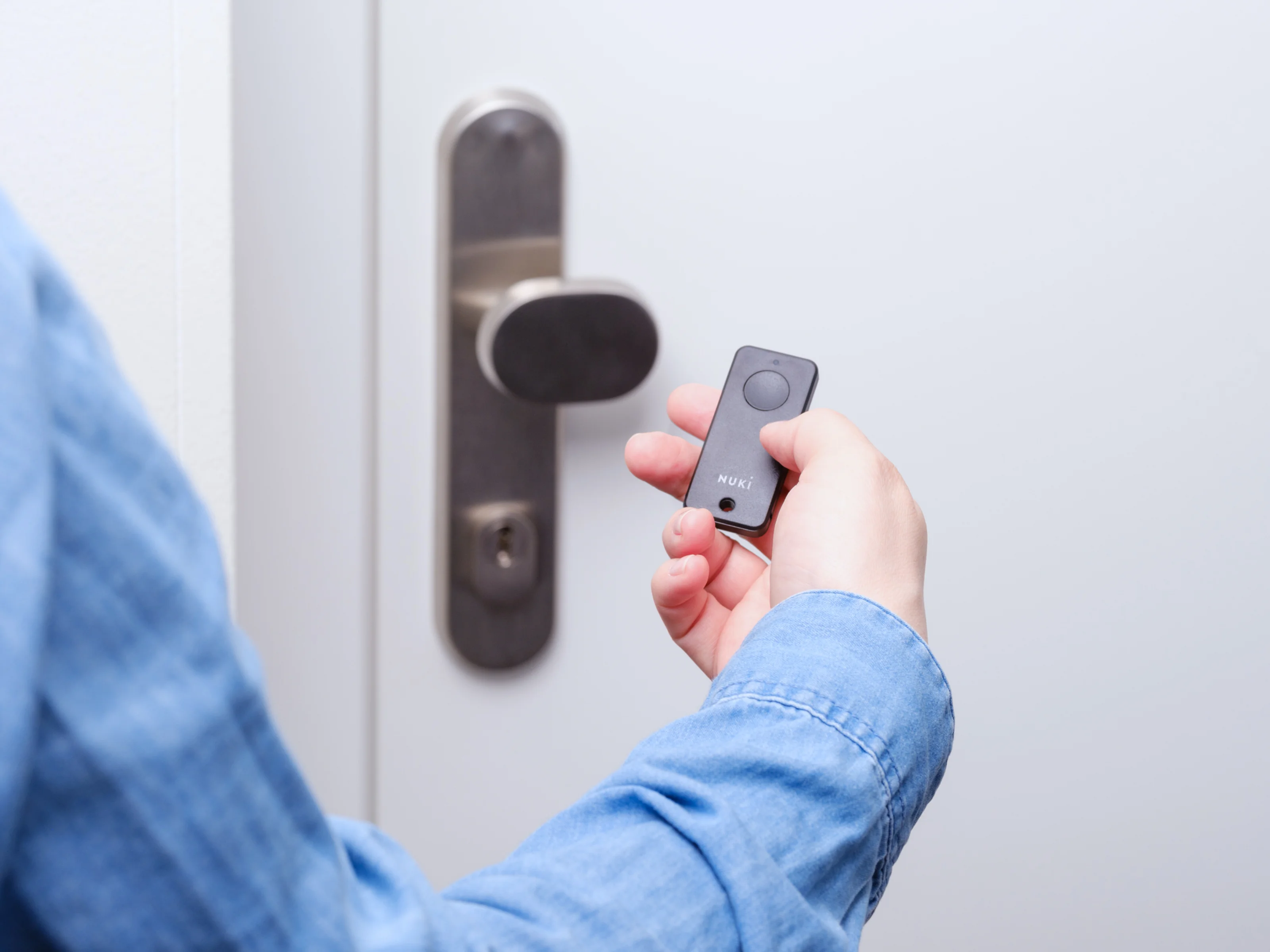
A smart lock replaces traditional door locks with digital control. Instead of a physical key, you can unlock the door using a smartphone, keypad, or voice command. Some models even lock automatically after you leave. This adds both convenience and smart security.
A smart doorbell or video doorbell lets you see who is at your door in real time. Combined with a security camera, it allows you to monitor your home from anywhere. If someone presses the doorbell, you get a notification and can speak through the built-in speaker.
For many smart homes, this combination provides peace of mind. Whether you are worried about package theft or simply want to check on visitors, these smart home device options strengthen your overall home security system.
5. How Do Smart Lights, Smart Bulbs, and Smart Plugs Improve Daily Life?

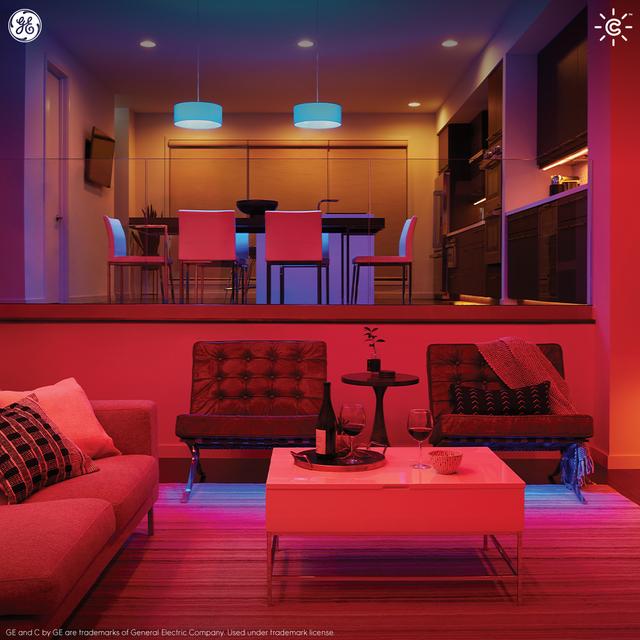
A smart light or smart light bulb lets you control brightness and color from your phone or with voice control. You can schedule a bulb to turn on at sunset or off at bedtime. Some smart bulbs even adjust automatically based on natural light.
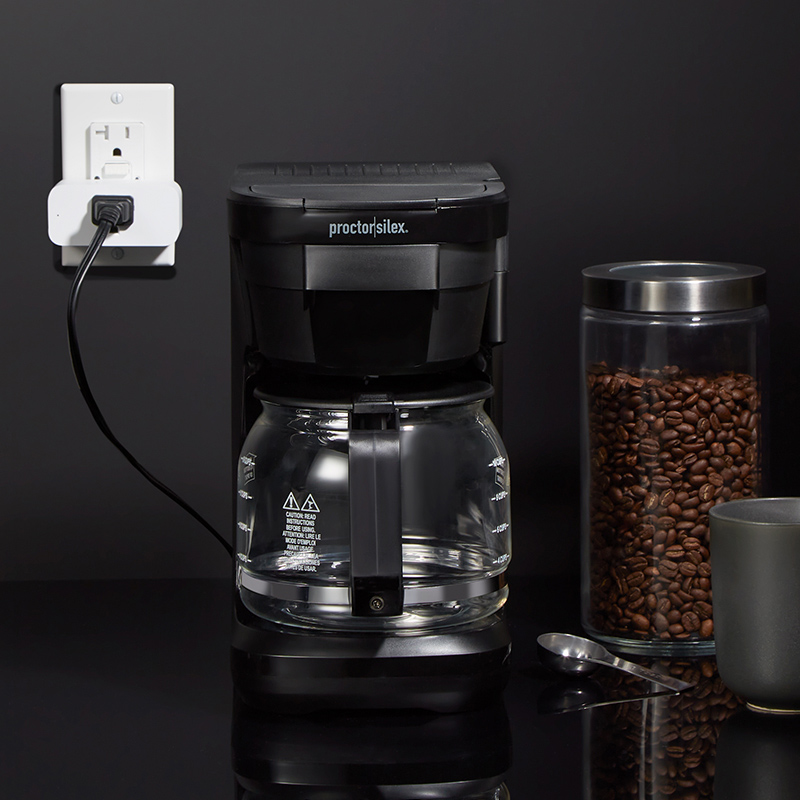
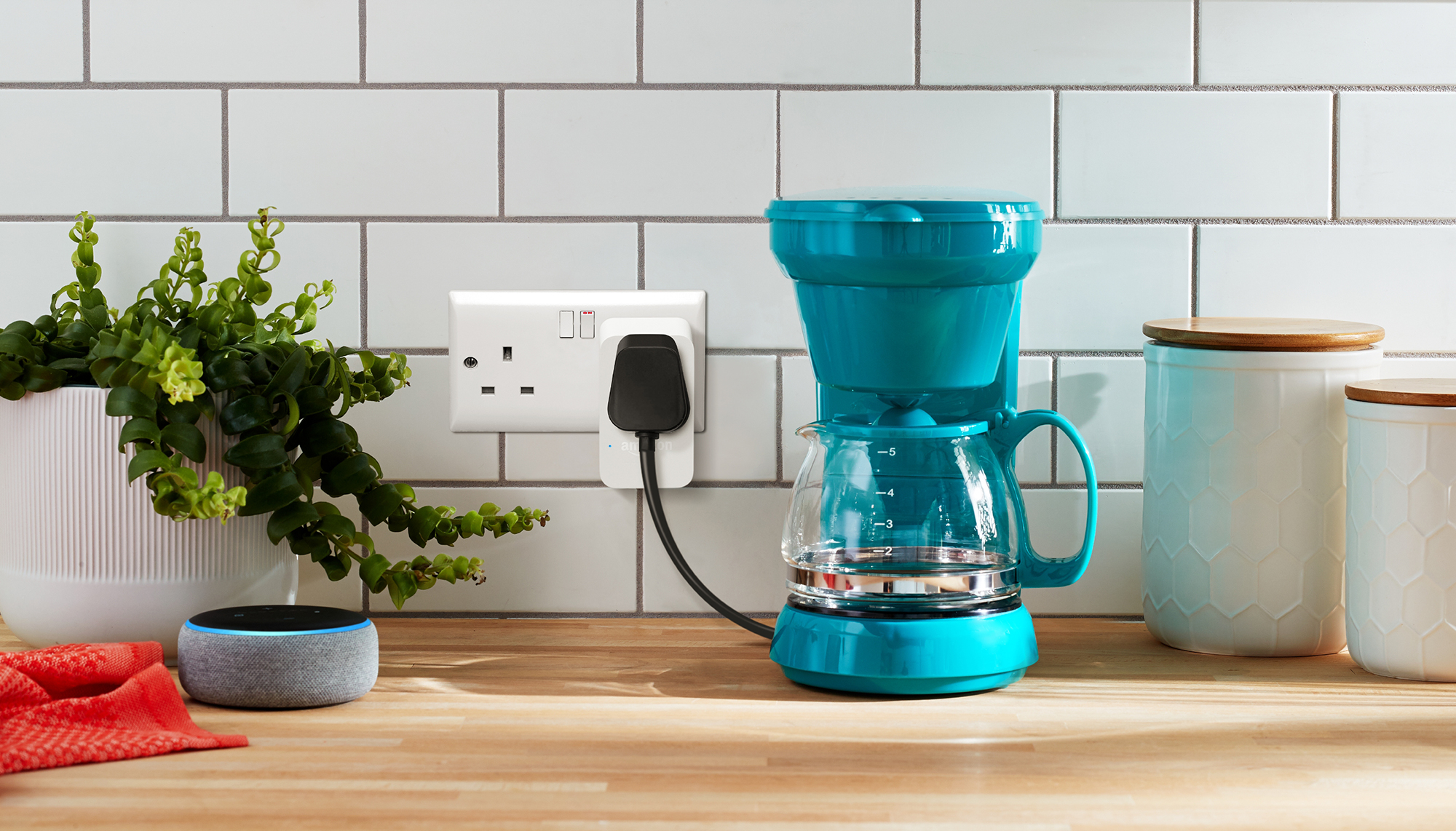
A smart plug turns ordinary devices into smart products. Plug in a lamp, fan, or even a smart coffee machine and control it remotely. This simple smart home device is often the easiest entry point into smart homes. It also helps track energy usage and improve energy efficiency.
When paired with a motion sensor, your smart lights can turn on only when needed. This reduces wasted energy and supports your goal to save energy. It is a small change, but in many smart home environments, small upgrades make a big difference.
6. Is a Smart Thermostat the Key to Climate Control and Energy Savings?


A smart thermostat is one of the most impactful upgrades for smart homes. Unlike a basic thermostat, it learns your schedule and adjusts temperature automatically. This improves climate control and reduces unnecessary energy use.
Popular options like google nest integrate easily with google assistant and google home. You can adjust settings with a simple voice command. Over time, the thermostat studies your habits and suggests changes that improve energy savings.
By automating heating and cooling, smart home technologies like these help reduce overall energy use. For homeowners focused on smart home tech that pays for itself, this is often the first investment.
7. What Role Do Smart Speakers, Smart Displays, and Voice Assistants Play?



A smart speaker acts as the control center for many smart homes. Devices like amazon echo and other echo devices respond to voice assistant commands. Through amazon alexa or google assistant, you can control smart lighting, adjust your thermostat, or check your security camera.
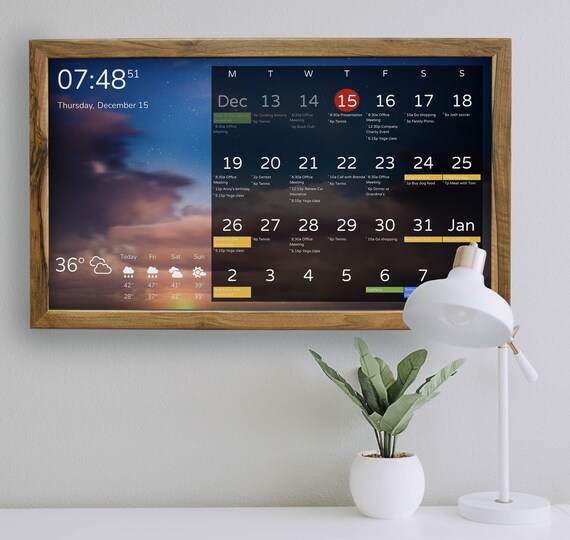
A smart display adds a screen to this experience. It shows camera feeds, weather updates, and even video from your video doorbell. Many households use alexa and google home together to manage multiple devices across rooms.
With voice control, you do not need to open an app. Just speak. This type of smart device makes daily home control feel natural. It is also helpful for families managing many smart home devices across different rooms.
8. How Do Security Cameras, Sensors, and a Home Security System Protect You?


Security cameras are central to smart home security. A security camera lets you monitor your home in real time. Combined with a detector for smoke or carbon monoxide, your smart smoke system can send instant alerts.
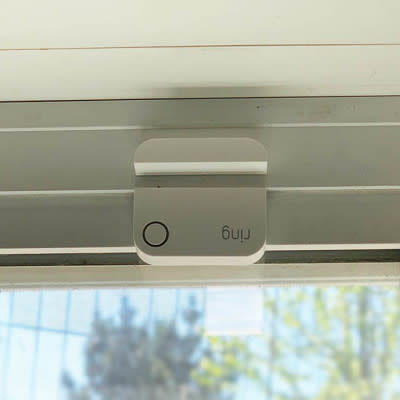
A full home security system may include window sensor units, motion sensor tools, and door lock monitoring. When connected through a smart home system, these parts work together. If a lock is forced open, your system sends a notification.
This level of smart security gives homeowners confidence. Many smart homes now rely on layered protection, from camera coverage to smart lock controls. It is about staying informed and ready.
9. Do You Need a Smart Home Hub or Can Wi-Fi and Wireless Devices Work Alone?
Some smart homes use only wi-fi to connect devices. Others rely on a dedicated smart home hub. A hub reduces strain on your network and improves reliability for wireless communication.
A smart home hub also helps automate routines. For example, when your doorbell rings, your smart light can flash and your smart speaker can announce the visitor. This type of automation works best when all devices share a common smart home platform.
If you use apple home or apple homekit, or platforms like google home, choose a hub that matches your ecosystem. The right home hub ensures compatibility across internet-connected devices and keeps your system stable as you add more devices and appliances.
10. What Is the Future of Smart Home Technologies and Automation?
The future of smart homes is about deeper automation and smarter data use. New smart home technologies focus on air quality tracking, smart air systems, and even smart irrigation for gardens. These devices use sensor data to automate watering and monitor air quality indoors.
We are also seeing growth in smart appliances and smart home appliances like smart tvs and kitchen devices. Many devices make daily tasks easier, from brewing smart coffee in the morning to adjusting lighting at night.
As home automation systems evolve, more connected devices will work together without constant input. A major smart trend is systems that learn from your behavior and adjust automatically. In many smart home setups, the goal is simple: make your home safer, more efficient, and more comfortable.
Key Takeaways About Smart Homes
- Smart homes connect internet-connected devices into one smart home system.
- A hub or smart home hub improves reliability and coordination.
- Devices like a smart lock, smart doorbell, and security camera strengthen home security.
- A smart thermostat supports climate control and energy savings.
- Smart light, smart plug, and smart bulbs help reduce energy use and save energy.
- Platforms such as google home, amazon alexa, and apple homekit provide voice assistant support.
- Many smart home devices can be controlled remotely through a smartphone.
- Smart home technologies in 2026 focus on energy efficiency, automation, and peace of mind.
- Start small, check compatibility, and expand your smart home platform over time.
- The ultimate goal of smart homes is simple: make your home more comfortable, secure, and efficient.