


Welcome to our comprehensive guide on plumbing maintenance! Your home’s plumbing system is a complex network of pipes, fixtures, and drains that work together to provide you with clean water and remove wastewater. Like any other essential system in your home, such as the electrical system, it requires regular attention to ensure the plumbing system is running smoothly. This article will walk you through the key aspects of plumbing maintenance, helping you keep your home safe and efficient.
Understanding Your Plumbing System
Components of a Plumbing System
The plumbing system within your home consists of several key components working in harmony. This includes the water supply lines that bring fresh water into your home and the drainage system that removes wastewater. Plumbing fixtures like sinks, faucets, toilets, and showers are essential parts of the system, as are appliances like water heaters and dishwashers. A network of pipes connects all these components, and it’s crucial to understand how they fit together to ensure the smooth operation of the plumbing.
How Plumbing Systems Work
The plumbing system functions through a combination of pressure and gravity. Water is supplied to your home under pressure, allowing it to flow to your faucets and fixtures when you turn them on. After use, the water flows into the drainage system, relying on gravity to carry wastewater away from your home. Vents in the drainage system help regulate air pressure, ensuring proper flow and preventing sewer gases from entering your home. Understanding this process is key to effective plumbing maintenance.
Importance of Regular Plumbing Maintenance
Regular plumbing maintenance is essential for keeping your home in good condition and preventing costly repairs. Preventative maintenance helps identify and address minor plumbing issues before they turn into major problems, such as leaks, clogs, or backups. Regular inspections can catch issues early, extending the lifespan of your plumbing fixtures and appliances like your water heater. By investing in routine plumbing maintenance, homeowners can avoid plumbing emergencies and protect their home from water damage and mold growth.
Common Plumbing Issues
Identifying Leaks and Clogs
One of the most common plumbing issues that homeowners face is identifying problems early. These often include:
- Leaks, whether from a dripping faucet or a hidden pipe, which can lead to significant water damage and increased utility bills.
- Clogs in drains that can cause backups and slow drainage.
Regularly inspecting under sinks, around toilets, and behind appliances like the water heater can help detect leaks promptly. Using strainers in sinks and showers can prevent hair and debris from entering the plumbing system, reducing the risk of clogs and ensuring your plumbing system runs smoothly. Addressing these problems with regular maintenance can prevent costly repairs and protect your home.
Backup and Drainage Problems
Backup and drainage problems are critical plumbing issues that require immediate attention to keep your home safe and functional. A backup can occur when the drainage system is overwhelmed, leading to wastewater flowing back into your sinks, showers, or toilets. Poor drainage can also stem from various issues, including:
- Clogged pipes
- Sediment buildup
This is often caused by severe clogs or issues with the main sewer line. Poor drainage can also result from improper venting. Regular inspections of the drainage system and prompt action to clear clogs can prevent costly repairs and water damage. Ensuring proper drainage is vital for the smooth operation of the plumbing and maintaining a healthy living environment, making regular plumbing maintenance essential.
Faucet and Fixture Failures
Faucet and fixture failures are common plumbing issues that can disrupt your daily routine and lead to water wastage. A dripping faucet, a running toilet, or a malfunctioning showerhead can waste significant amounts of water over time, increasing your utility bills. These problems often result from a number of factors, including:
- Worn-out washers
- Corroded parts or mineral buildup
Regular plumbing maintenance, including regular inspections and timely repairs, can extend the lifespan of your plumbing fixtures and prevent more serious issues. Replacing old or damaged fixtures with water-efficient models can also help reduce water consumption and keep your plumbing efficient. Addressing these issues promptly is part of routine plumbing maintenance to keep your home.
Regular Inspections for Homeowners
Conducting a Self-Inspection
As a homeowner, conducting a self-inspection is a crucial step in regular plumbing maintenance. Begin by checking all visible pipes under sinks and around the water heater for leaks or signs of water damage. Inspect faucets and fixtures for drips or corrosion, and inspect the toilet for leaks or running issues. Ensure drains in sinks and showers are clear and drainage is running smoothly. Look for any clogs or slow drainage, addressing minor issues promptly to prevent costly repairs. Make self-inspections part of your routine plumbing maintenance to keep your home plumbing in top condition. This practice helps prevent plumbing issues from escalating.
When to Call a Professional
While self-inspections are valuable, there are times when calling a plumber is necessary. If you notice persistent leaks, significant water damage, or frequent clogs, it’s time to seek professional help. If you’re facing backup problems, especially if they involve multiple fixtures, a plumber can diagnose and resolve the issue effectively. Any work involving plumbing or complex drainage repairs should be handled by a licensed professional to ensure safety and compliance with local codes. Addressing these plumbing issues promptly can protect your home and prevent further water damage. Ignoring these signs can lead to plumbing emergencies and costly repairs.
Benefits of Professional Inspections
Professional inspections offer numerous benefits beyond what a homeowner can achieve alone. A plumber has specialized tools and expertise to conduct thorough inspections of your entire plumbing system, including hidden pipes and components. They can identify potential plumbing issues early, such as hidden leaks or sediment buildup, preventing major damage and costly repairs. Professional inspections can also extend the lifespan of your plumbing fixtures and appliances, ensuring optimal performance. Regular professional inspections can give you peace of mind, knowing that your plumbing system is in good hands and the plumbing system is running smoothly, saving on utility bills.
Preventive Plumbing Maintenance Tips
Keeping Your Fixtures in Good Condition
To ensure your plumbing fixtures remain in good condition, adopt a regular maintenance routine. Clean faucets, showerheads, and sinks regularly to prevent mineral buildup that can affect water pressure. Inspect toilets for leaks or running issues and replace worn-out parts promptly. Use fixtures properly to avoid unnecessary strain, and consider upgrading to water-efficient models to reduce utility bills. Protect pipes from freezing temperatures to prevent bursts and water damage. By following these tips, you can extend the lifespan of your plumbing fixtures and maintain their functionality, helping to keep your plumbing in top shape and preventing plumbing issues from arising.
Preventing Clogs and Backups
Preventing clogs and backups is crucial for maintaining a healthy plumbing system. Use strainers in sinks and showers to catch hair and debris before they enter the drainage system. Avoid flushing non-flushable items down the toilet, such as feminine products, diapers, and paper towels. Periodically flush drains with hot water to dissolve grease and sediment. Consider using enzyme-based drain cleaners instead of harsh chemicals, which can damage pipes. If you experience slow drainage, address it promptly to prevent more severe clogs and backups, helping to keep your plumbing running smoothly.
Maintaining Your Drainage System
Maintaining your drainage system involves several key practices. Regularly clear drains using methods like snaking or hydro jetting to remove stubborn clogs and sediment buildup. Ensure that vents are clear of obstructions to maintain proper air pressure and drainage. Inspect outdoor drains and gutters to prevent debris from entering the system. Avoid pouring grease or oil down the sink, as they can solidify and cause clogs. Consider having your sewer line professionally inspected periodically to detect potential issues early, preventing backups and water damage. Proper maintenance of your drainage system is essential for the smooth operation of the plumbing.
Electrical System and Plumbing Maintenance
Interconnection Between Plumbing and Electrical Systems
The interconnection between plumbing systems and electrical systems in a home is crucial, requiring careful attention to safety and functionality. Pipes carrying water are often located near electrical wiring, creating potential hazards if not properly installed and maintained. For instance, water leaks from plumbing can come into contact with electrical components, leading to short circuits or even fires. Grounding is essential to protect your home. Understanding this relationship is vital for preventative maintenance and ensuring the smooth operation of the plumbing and electrical infrastructure. Proper plumbing maintenance near electrical systems is essential for safety.
Importance of Electrical Maintenance in Plumbing
Electrical maintenance plays a significant role in the functionality of plumbing systems, especially regarding appliances like water heaters, pumps, and some plumbing fixtures. Ensuring these electrical system components receive regular maintenance is crucial for their efficient and safe operation. Faulty wiring, corroded connections, or outdated electrical components can lead to malfunctions, plumbing issues, or even electrical hazards. By keeping the electrical aspects of your plumbing system in good condition, you can prevent costly repairs, extend the lifespan of your plumbing fixtures, and keep your plumbing safe and reliable. Regular check-ups are a key part of routine plumbing maintenance.
Safety Considerations for Homeowners
For homeowners, safety should be the top priority when dealing with both plumbing systems and electrical systems. Always turn off the water supply and disconnect electrical power before attempting any repairs or maintenance. Avoid using electrical appliances near water to prevent electrocution. If you’re unsure about any plumbing or electrical work, call a licensed plumber or electrician. Be aware of potential hazards, such as leaks or faulty wiring, and address them promptly to protect your home and family. Taking these precautions ensures that routine maintenance is conducted safely and effectively. Understanding basic safety measures is a critical component of regular plumbing maintenance.
Water Heater Maintenance
Regular Check-Ups for Water Heaters
Regular inspections are crucial for water heater maintenance to ensure efficient and safe operation. Check the water heater for signs of leaks, corrosion, or sediment buildup. Flush the tank periodically to remove sediment, which can reduce efficiency and lifespan. Inspect the pressure relief valve to ensure it’s functioning correctly, preventing dangerous pressure buildup. Verify that the thermostat is set to the appropriate temperature to conserve energy. These regular plumbing maintenance tasks can extend the lifespan of your water heater and prevent costly repairs, helping to keep your plumbing in top condition.
Signs Your Water Heater Needs Attention
Several signs indicate that your water heater needs attention and potential emergency repairs. If you notice rusty or discolored water, it could signal corrosion inside the tank. Unusual noises, such as banging or rumbling, often indicate sediment buildup. Inconsistent water temperature or a lack of hot water may point to a faulty heating element or thermostat. Visible leaks around the tank or fittings require immediate attention to prevent water damage. Addressing these plumbing issues promptly can prevent costly repairs and extend the lifespan of your water heater. Addressing these promptly can protect your home.
Maximizing Efficiency of Your Water Heater
To maximize the efficiency of your water heater, consider several strategies as part of your regular maintenance. Insulate the water heater tank to reduce heat loss and lower utility bills. Lower the thermostat setting to a comfortable but energy-saving temperature. Fix any leaks promptly to prevent water wastage. Install a timer to heat water only during peak usage times. Regularly flush the tank to remove sediment and maintain optimal performance. By implementing these measures, you can reduce energy consumption, lower utility bills, and extend the lifespan of your water heater. These are valuable steps in routine plumbing maintenance to keep your home efficient.
Q: Why is plumbing maintenance is essential to keep your home plumbing in good working order?
A: Regular plumbing care prevents leaks, clogs, and water damage, extends fixture life, and keeps utility costs down. Preventive maintenance helps ensure the operation of the plumbing system remains efficient, supports health and safety, and reduces the chance that plumbing emergencies can strike unexpectedly.
Q: How often should I inspect my drains and pipes to prevent leaks?
A: Inspect visible drains and pipes every few months and after seasonal changes. Look for a small leak, corrosion, moisture, and minor leaks around connections. Testing your water pressure twice a year can help maintain a well-maintained plumbing system and signal when the system needs maintenance.
Q: What routine tasks help keep your home drain lines clear and prevent clogs?
A: Use strainers, avoid pouring grease, and flush with hot water periodically. Schedule cleaning to remove sediment buildup in traps and fixtures, and consider scheduling a professional if slow drains persist. These steps help maintain the operation of the plumbing system and prevent leaks.
Q: Which plumbing fixtures should homeowners inspect regularly?
A: Check faucets, showerheads, toilets, supply lines, and shutoff valves. Ensure a well-maintained seal around bases, listen for running toilets, and examine hoses on appliances. Regular attention to plumbing fixtures aids maintaining your home’s plumbing system in good working order.
Q: How does modern plumbing design affect maintenance is essential?
A: Modern plumbing uses advanced materials and valves that last longer but still require preventive maintenance helps to stay well-maintained. Even with modern plumbing, the system needs maintenance such as checking expansion tanks, pressure regulators, and water filtration services include cartridge changes to help maintain reliability and health and safety.
Q: What should I do if I notice a small leak under a sink pipe?
A: Act quickly: shut off the nearest valve, dry the area, and tighten or replace worn washers or supply lines. If minor leaks continue, scheduling a professional is wise to prevent leaks and avoid larger plumbing emergencies can strike that could damage cabinetry and floors.
Q: How can I tell if my home plumbing water pressure is too high?
A: Use a gauge on a hose bib for testing your water pressure; ideal is typically 40–60 psi. Consistently high readings indicate the system needs maintenance, such as adjusting or replacing a pressure-reducing valve, to keep your home safe and protect drains and pipes and plumbing fixtures.
Q: Do circuit breakers relate to home plumbing maintenance?
A: Yes. Regular electrical checks of circuit breakers that power pumps, heaters, and leak detectors are important. Ensuring GFCIs function near wet areas supports health and safety and keeps your home systems coordinated so maintenance is critical across utilities.
Q: When is scheduling a professional plumber recommended?
A: Call a pro for recurring clogs, low or high pressure, water heater issues, sewer odors, or hidden leaks. Professional services include camera inspections, jetting to remove sediment buildup, and repairs that help maintain a well-maintained plumbing system and prevent leaks.
Q: What seasonal steps keep your home plumbing running smoothly?
A: Before cold weather, insulate exposed pipe, disconnect hoses, and service water heaters to remove sediment buildup. In warmer months, test shutoff valves and irrigation, and inspect for minor leaks. This maintenance is key to maintaining your home’s plumbing system in good working order.

Other Articles
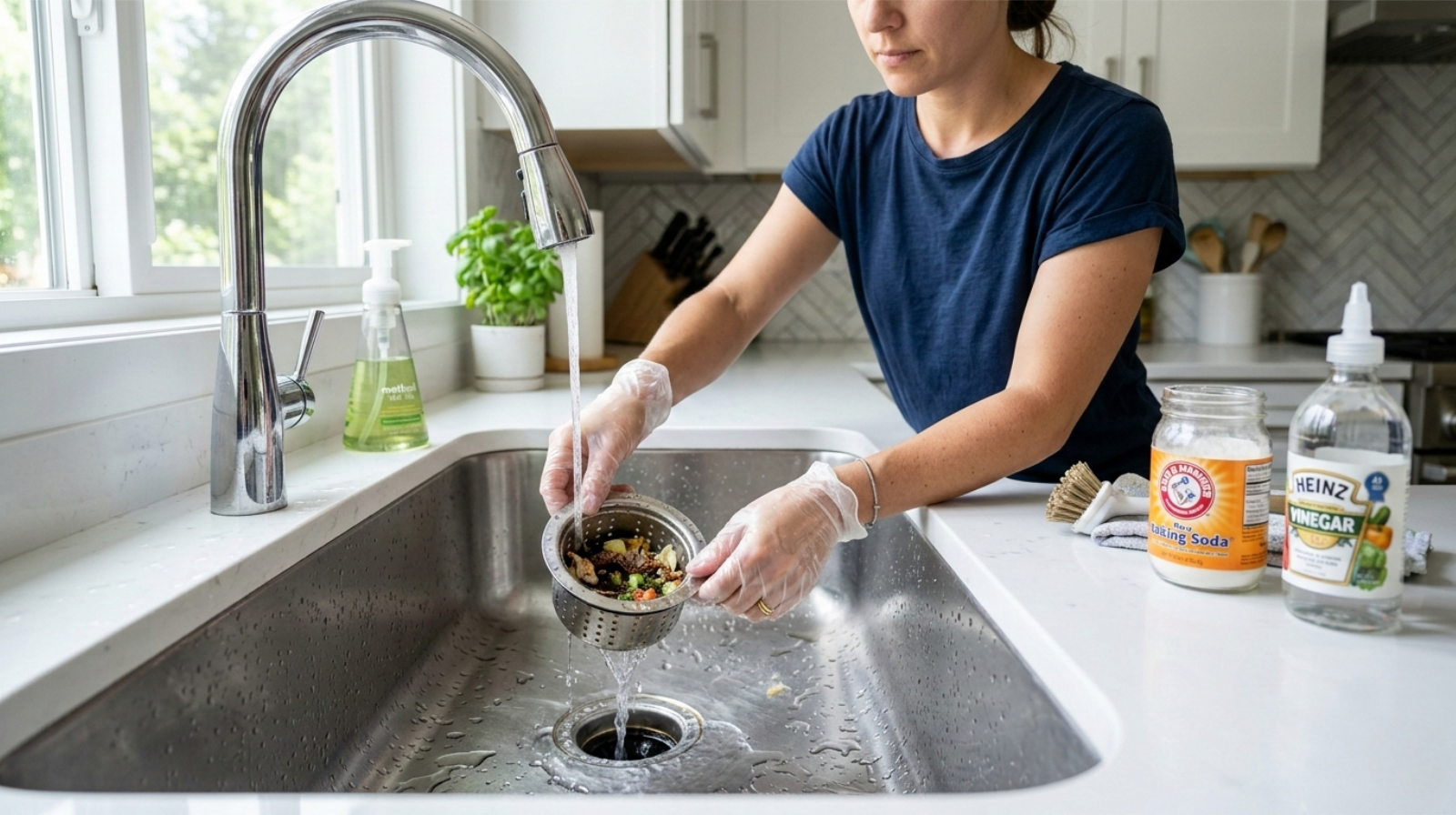
Clean Your Kitchen Sink Drain: 7 Quick Cleaning Tips
Bathroom Lighting Ideas: Brighten with a Light Fixture