



Related Search Terms: wilting orchid petals care, orchid petals falling off, revive dying orchid flowers, orchid bloom dropping tips, save wilting orchid blooms, orchid petal care guide, why orchids lose petals, orchid flower revival tips, orchid petals turning brown, extend orchid bloom life, orchid aftercare wilting blooms, orchid petal drooping solutions, indoor orchid petal care, orchid reblooming after wilting, orchid petal yellow causes, orchid flower dropping remedies, wilted orchid recovery steps, orchid petal lifespan tips, orchid care after blooming, orchid bloom preservation methods
When Beautiful Blooms Begin to Fade: Understanding What to Do With Wilting Orchid Petals

There’s something genuinely heartbreaking about watching your gorgeous orchid blooms start to wilt. One day they’re vibrant and full of life, and the next, those delicate petals are drooping, yellowing, or falling to the floor. If you’ve ever found yourself staring at a once-magnificent orchid wondering what went wrong — and more importantly, what you can do about it — you’re in the right place.
Knowing what to do with wilting orchid petals isn’t just about saving a plant. It’s about understanding a beautiful living thing and giving it exactly what it needs to thrive again. Whether you’re a seasoned plant parent or a first-time orchid owner, this guide walks you through every step of the process in plain, friendly language. Let’s bring those blooms back to life together.
Why Are Your Orchid Petals Wilting in the First Place?
Before you can fix the problem, you need to understand the cause. Orchid petal wilting doesn’t happen without reason. Here are the most common culprits behind drooping orchid blooms:
Common Causes of Orchid Petal Decline
- Overwatering or underwatering — Orchids are sensitive to moisture levels. Too much water causes root rot, which starves the petals of nutrients. Too little water dehydrates the plant entirely.
- Low humidity levels — Orchids are tropical plants. When the air is too dry, petal dehydration sets in quickly.
- Extreme temperature changes — A cold draft from a window or air conditioner can shock the plant, causing rapid petal drooping.
- Too much or too little light — Direct sunlight exposure scorches petals, while too little light weakens the plant over time.
- Natural bloom cycle — Sometimes, wilting is simply nature. After 6–12 weeks of blooming, orchid flower drop is completely normal.
- Ethylene gas exposure — Keeping orchids near ripening fruit exposes them to ethylene gas, which speeds up petal wilting dramatically.
Understanding the cause helps you respond appropriately — and avoid making things worse with the wrong remedy.
What to Do With Wilting Orchid Petals: Your Step-by-Step Action Plan
Once you’ve identified the problem, it’s time to act. Here’s exactly what to do with wilting orchid petals depending on the situation.
Step 1 — Assess Whether the Wilting Is Natural or a Problem
First things first: check if your orchid is simply done with its natural bloom cycle. If the rest of the plant looks healthy — green leaves, firm roots, no yellowing — then wilting petals are likely just part of the process. In that case, you don’t need to panic.
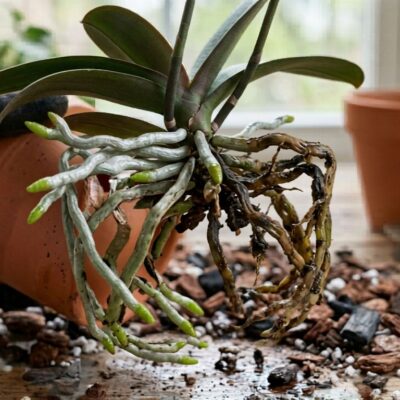
However, if the leaves are yellowing, the roots look grey or mushy, or the soil feels soggy, you’re likely dealing with a care issue that needs your attention.
Step 2 — Remove Wilted and Dead Petals Properly
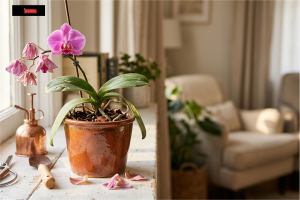
Once petals have fully wilted and fallen, gently remove them from the soil and around the base of the plant. Leaving decaying organic matter around the roots encourages mold and bacterial infections that can spread to the rest of your orchid.
Use clean, sterile scissors to trim any remaining dead petals still clinging to the flower spike. Don’t tug — you could damage the spike itself, which may produce new buds in the future.
Step 3 — Decide What to Do With the Flower Spike
This is where many orchid owners make a critical mistake. After wilting blooms fall, you have two options:
| Action | When to Choose It | Expected Outcome |
|---|---|---|
| Leave the spike intact | Spike is still green | May produce new buds |
| Cut spike at the base | Spike is yellow/brown | Redirects energy to roots |
| Cut to a node | Spike is green, no new buds | Encourages branching blooms |
Cutting to a healthy node (the small bump on the spike) often encourages secondary blooming, giving you another round of flowers sooner than you’d expect.
How to Revive a Wilting Orchid and Encourage Reblooming
Reviving a wilting orchid takes a little patience, but it’s absolutely achievable. The goal is to restore the plant’s health so it has the energy to produce new blooms.
Watering Adjustments for Wilting Orchids
Switch to the soak and drain method: place your orchid pot in a basin of lukewarm water for 15–20 minutes, then let it drain completely. This deeply hydrates the roots without causing waterlogged soil. Repeat this once every 7–10 days during recovery.
Avoid letting water sit in the crown of the plant (the center where leaves meet), as this is a common cause of crown rot — one of the fastest ways to lose an orchid entirely.
Humidity and Temperature Fixes
Orchids thrive at humidity levels between 50–70%. If your home is dry, especially in winter, try these simple fixes:
- Place a humidity tray (a shallow tray filled with pebbles and water) beneath the pot
- Use a small cool-mist humidifier nearby
- Group orchids together to create a microclimate with higher moisture
- Move the orchid away from heating vents and air conditioners
Ideal temperature for most Phalaenopsis orchids is between 65°F–80°F (18°C–27°C) during the day, with a slight cool drop at night to trigger reblooming.
Fertilizing a Recovering Orchid
Feed your orchid with a balanced orchid fertilizer (look for a 20-20-20 formula) once every two weeks during the growing season. Reduce to once a month during rest periods. Never fertilize a completely dehydrated or stressed orchid — always water first.
Creative Uses for Wilted Orchid Petals
Here’s something many people don’t realize: wilted orchid petals don’t have to go straight to the trash. There are some lovely, practical ways to use them.
DIY Uses for Fallen Orchid Petals
- Pressed flower art — Slightly wilted petals press beautifully. Layer them between sheets of parchment paper inside a heavy book for 2–3 weeks. The results make stunning botanical wall art.
- Potpourri blends — Dry the petals thoroughly and mix with lavender, rose petals, and a few drops of essential oils for a natural, fragrant home decoration.
- Bath soaks — Dried orchid petals add a spa-like touch to bath water. They’re gentle on skin and carry natural anti-inflammatory properties.
- Compost material — Organic plant-based compost loves flower petals. They break down quickly and enrich the soil for other plants in your garden.
- Bookmark decoration — Laminate a pressed petal to create a uniquely beautiful handmade bookmark.
None of these uses require perfectly fresh petals — in fact, slightly wilted ones often work even better for pressing and drying.
Preventing Orchid Petals From Wilting Too Soon
Prevention is always easier than cure. Here’s how to extend the lifespan of your orchid blooms and keep those petals looking gorgeous for as long as possible.
The Right Environment Makes All the Difference
Place your orchid in bright, indirect light — an east or west-facing windowsill is ideal. Keep it away from direct midday sun, which causes petal burn and rapid wilting.
Make sure your orchid isn’t near a bowl of fruit. Ripening bananas, apples, and pears release ethylene gas that dramatically shortens bloom life. It sounds minor, but it genuinely makes a big difference.
Choosing the Right Pot and Potting Mix
Most orchids do best in clear plastic pots with drainage holes — this lets you monitor root health visually. Use a specialized orchid bark mix rather than regular potting soil. Standard soil holds too much moisture and suffocates the roots.
Repot your orchid every 1–2 years using fresh bark mix. Old, broken-down bark retains too much water and reduces the airflow around roots, weakening the plant’s ability to sustain long-lasting blooms.
Orchid Petal Recovery Timeline: What to Expect
Patience is the most important ingredient in orchid recovery. Here’s a general recovery timeline so you know what to expect:
| Week | What You Might See |
|---|---|
| Week 1–2 | Wilted petals fall; plant looks bare |
| Week 3–4 | Roots plump up after proper watering |
| Week 5–8 | New leaf growth may appear |
| Week 9–12 | Flower spike begins to develop |
| Week 13–20 | New buds form and open |
Every orchid is different, and some may take longer depending on their variety and overall health. Phalaenopsis orchids (the most common houseplant variety) tend to rebloom within 3–6 months with proper care.
Frequently Asked Questions About Wilting Orchid Petals
1. Should I cut off wilting orchid petals?
You don’t need to cut petals that are naturally wilting — let them fall on their own when ready. However, you should remove completely dead, brown, or shriveled petals that are still attached, using sterile scissors. This prevents the spread of mold and bacterial issues to healthy parts of the plant.
2. Can wilted orchid petals be saved or revived?
Unfortunately, a petal that has fully wilted and browned cannot be revived. However, if petals are just beginning to droop, improving humidity, watering habits, and temperature can sometimes slow the process and even partially restore firmness in early-stage wilting.
3. Why do orchid petals wilt suddenly overnight?
Sudden overnight wilting is usually caused by a temperature shock — a cold draft, an open window in winter, or being placed near an air conditioning vent. Ethylene gas from nearby fruit can also cause dramatic overnight petal drop. Check the plant’s location and nearby environment first.
4. How long do orchid blooms normally last?
With proper care, Phalaenopsis orchid blooms typically last between 6 and 12 weeks. Some well-cared-for orchids can hold blooms for up to 4 months. Low humidity, improper watering, and temperature fluctuations are the main factors that shorten bloom life.
5. What should I do after all the orchid petals fall off?
After all petals have fallen, assess the flower spike. If it’s still green and firm, leave it and cut to a node to encourage new blooms. If it’s brown and dry, cut it back to the base to allow the plant to redirect energy into root and leaf development. Continue normal watering and feeding, and your orchid should rebloom within a few months.
Conclusion: Give Your Orchid the Care It Deserves
Wilting orchid petals don’t have to mean the end. In most cases, they’re just the beginning of your plant’s next chapter. By understanding what to do with wilting orchid petals — from proper removal and spike management to improving humidity and watering habits — you’re setting your orchid up for a beautiful comeback.
Remember, orchids are resilient. They’ve been around for millions of years and are far tougher than they look. With a little patience, the right environment, and consistent care, those delicate blooms will return more stunning than ever. And in the meantime, those fallen petals? Put them to beautiful use.