




Is your kitchen sink drain giving you trouble? Don’t worry; you’re not alone. A clogged kitchen sink is a common household issue that can lead to unpleasant odors and slow drainage. Learning how to clean your kitchen sink drain is essential for maintaining a hygienic and functional kitchen. This guide will provide you with quick and easy tips to keep your kitchen sink and drain clean, unclog your kitchen sink, and prevent future sink clogs, ensuring your sink functions efficiently.
Importance of Cleaning Your Kitchen Sink
Benefits of a Clean Sink and Drain
Benefits of a Clean Sink and Drain
Maintaining a clean kitchen sink and drain is important for more than just appearance. Regular cleaning removes food particles and grease buildup that can cause unpleasant odors and attract pests. It also helps keep your kitchen hygienic and reduces the chances of bacteria and mold growing around the sink area.
Keeping your kitchen sink drain clean also helps water flow smoothly through the pipes, which prevents clogs and possible water damage. In addition, a clean stainless steel sink improves the overall look of your kitchen and makes the space more pleasant to use. Making sink cleaning part of your regular kitchen routine helps keep everything working properly.
Common Issues with Clogged Kitchen Sinks
Clogged kitchen sinks are a common problem in many homes. One of the main causes is grease, which hardens as it cools and sticks to the inside of drain pipes.
Food scraps, coffee grounds, and hair can also collect in the pipes over time. These materials slowly build up and create stubborn sink clogs.
When the drain becomes blocked, water starts draining slowly and unpleasant odors may come from the kitchen sink.
Understanding Your Kitchen Sink Drain
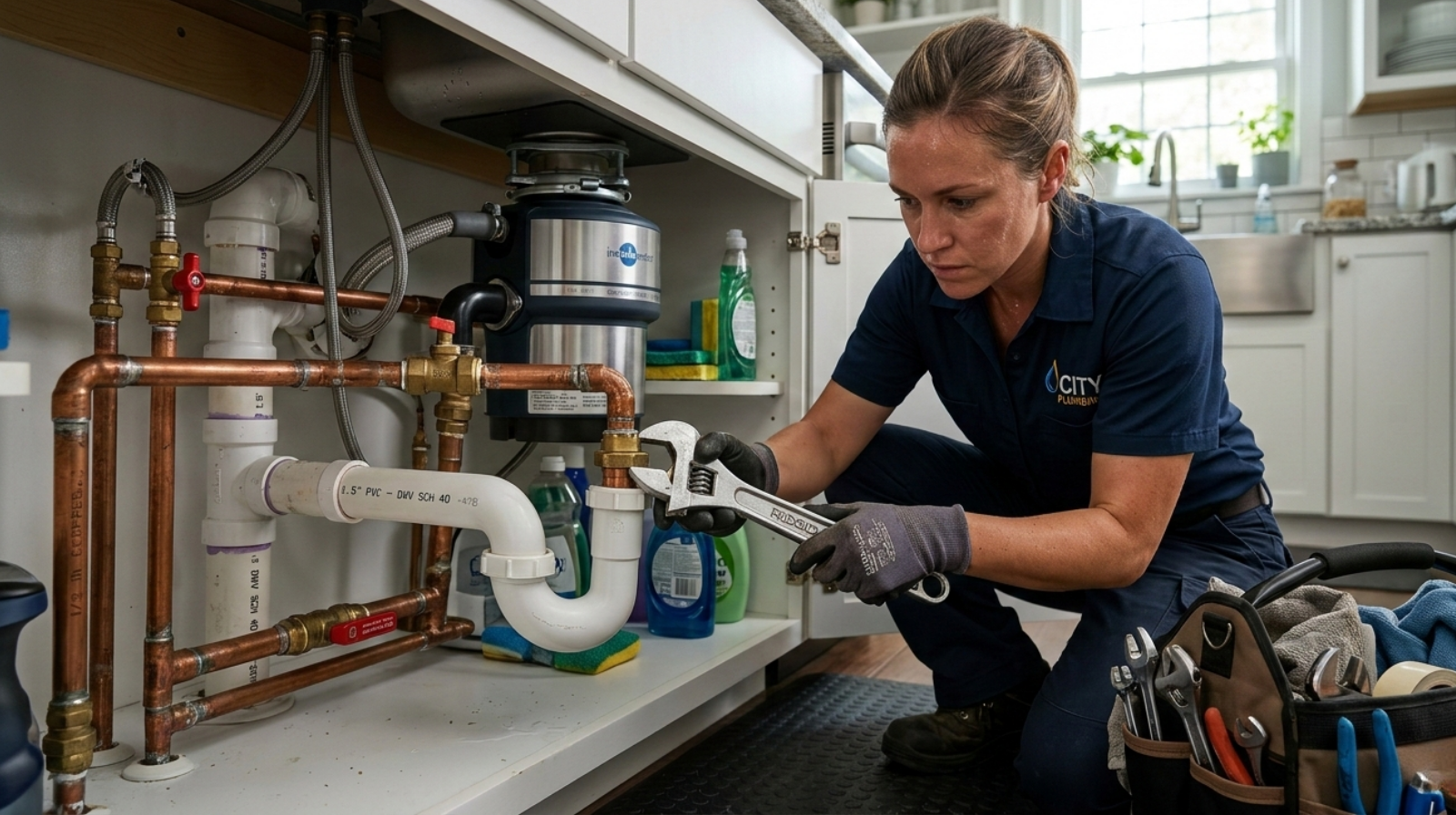
Before tackling the task to clean your kitchen sink drain, it’s helpful to understand its basic components and how it functions. The kitchen sink drain typically consists of a strainer, which catches large debris, a P-trap that traps debris and prevents sewer gases from entering your home, and drain pipes that carry wastewater away.
If you have a garbage disposal, this is also connected to the drain system. Knowing how these parts work together can help you identify the source of a clog and choose the appropriate drain cleaning method. Whether you are planning to use a drain cleaner or baking soda and vinegar, understanding your kitchen drain helps to keep your kitchen sink and drain clean.
DIY Methods to Clean Your Kitchen Sink Drain
Using Baking Soda and Vinegar
One of the most effective and eco-friendly methods to clean your kitchen sink drain is by using baking soda and vinegar. This simple yet powerful combination can help unclog a kitchen sink and eliminate unpleasant odors. Start by pouring a cup of baking soda down the drain, followed by a cup of white vinegar.
The mixture will fizz, so let it sit for about 30 minutes. The chemical reaction helps to break down grease and other debris that cause sink clogs. After waiting, flush the drain with boiling water to wash away the loosened debris. This method is a great way to clean the drain and keep your kitchen sink fresh, and it’s a safe alternative to harsh drain cleaner chemicals, to keep your kitchen sink and drain clean.
How to Use a Drain Snake
When baking soda and vinegar aren’t enough to unclog a kitchen sink, a drain snake can be a lifesaver. A drain snake is a flexible tool designed to physically break up and remove stubborn sink clogs from your kitchen drain. Insert the drain snake into the drain opening and gently push it down, rotating as you go.
Once you encounter resistance, indicating a clog, continue rotating to break it up or hook it. Slowly pull the drain snake out, removing the debris. Flush the drain with warm water to ensure everything is cleared. Using a drain snake is an effective way to clean a kitchen sink drain when other methods fail, helping to restore proper water flow down the drain.
Other Effective Drain Cleaning Techniques
Besides using baking soda and vinegar or a drain snake, there are other simple ways to keep your kitchen sink drain clean.
For example, regularly flushing the drain with boiling water can help dissolve grease buildup inside the pipes.
You can also use a plunger to remove minor clogs. The suction created by the plunger helps loosen debris blocking the drain.
Be careful when using chemical drain cleaners because they can damage pipes if used too often.
When to Use Commercial Drain Cleaners
Types of Drain Cleaners Available
When DIY methods like baking soda and vinegar or using a drain snake fail to unclog a kitchen sink, commercial drain cleaners might seem like the next logical step. These products come in various forms, including liquid drain cleaner, gel, and powder. Some drain cleaners are designed to dissolve organic matter like hair and grease, while others are formulated to break down tougher obstructions.
It’s crucial to read the labels carefully to choose the appropriate drain cleaner for your specific clog and plumbing system. Some drain cleaners are better suited for certain types of pipes, such as PVC or metal, so selecting the right product will help to clean your kitchen sink drain without damaging your pipes. However, consider if you need a cleaner, or just need to clean the drain.
Pros and Cons of Chemical Cleaners
Using a chemical drain cleaner can offer a quick solution for a clogged kitchen sink, especially when faced with stubborn sink clogs that other methods can’t resolve. These products are designed to dissolve the materials causing the obstruction, restoring water flow down the drain in a relatively short amount of time.
However, the effectiveness comes with potential drawbacks. Chemical drain cleaners often contain harsh chemicals that can corrode pipes over time, leading to costly repairs. Additionally, these cleaners can release harmful fumes and pose risks to your health if not handled properly. The environmental impact is also a concern, as these chemicals can contaminate water sources. Therefore, it’s essential to weigh the convenience against the potential risks before using a drain cleaner. Always consider alternatives to clean your sink.
Safe Practices for Using Drain Cleaners
If you decide to use a commercial drain cleaner, prioritize safety to protect yourself and your plumbing. Taking appropriate safety measures includes the following:
- Always wear gloves and eye protection to prevent skin and eye irritation from splashes.
- Ensure the area is well-ventilated to avoid inhaling harmful fumes.
Carefully follow the instructions on the product label, using the recommended amount of cleaner and allowing it to sit for the specified time. Never mix different drain cleaners, as this can create dangerous chemical reactions. After using the cleaner, flush the drain with boiling water to remove any remaining chemicals and debris.
If the clog persists, consider calling a plumber instead of using more cleaner. Be aware of the possibility that the kitchen sink drain still might be clogged. Proper precautions can help minimize risks when using drain cleaning products to clean your kitchen sink drain.
Preventative Measures for Maintaining a Clean Kitchen Sink
Regular Cleaning Routine
Establishing a regular cleaning routine is essential to keep your kitchen sink drain clean and prevent stubborn sink clogs. Aim to clean your kitchen sink at least once a week, or more often if you frequently deal with food scraps or grease. Begin by rinsing the sink thoroughly with warm water to remove any loose debris.
Next, sprinkle baking soda down the drain and scrub the sink’s surface with a sponge or brush. Rinse again with warm water. For a stainless steel sink, use a cleaner designed for stainless steel to maintain its shine and prevent water spots. This simple routine will help to prevent sink clogs and eliminate unpleasant odors, keeping your kitchen sink and drain fresh and functional, making it a great way to clean the drain.
Tips for Avoiding Clogs in Your Kitchen Sink
Here are some effective ways to avoid clogs, starting with being mindful of what goes down the drain. For example:
- Avoid pouring grease down the drain, as it solidifies and contributes to clogs. Instead, pour grease into a container and dispose of it properly.
- Scrape food scraps into the trash or compost bin before washing dishes to prevent food particles from accumulating in the drain.
Also, regularly flush the drain with boiling water to dissolve any grease buildup. Use a strainer to catch hair and other debris, and clean it frequently. Doing so will keep your kitchen sink drain clean and maintain proper water flow down the drain.
Maintaining Your Garbage Disposal
Here are some tips to keep your garbage disposal running smoothly and prevent problems:
- Always run cold water while operating the disposal.
- Avoid putting large quantities of food scraps into the disposal at once.
Never put items like bones, coffee grounds, or fibrous vegetables down the drain, as these can damage the blades or cause obstructions. Occasionally, grind ice cubes and citrus peels in the disposal to sharpen the blades and freshen the drain. Regularly clean your kitchen sink and the disposal with a mixture of baking soda and white vinegar to eliminate bacteria and prevent odors. You should also consider using a drain cleaner to keep your kitchen sink and drain clean.
Q: What’s the quickest way to clean a kitchen sink and clean sink drain after daily use?
A: Rinse food bits and water down the drain, scrub with a mild sink cleaner or dish soap, then rinse with boiling water. This helps clean the sink, remove odors, and keep your sink clear between deep cleans.
Q: How do I unclog a kitchen sink safely without harsh chemicals?
A: Try a natural method: pour half a cup of baking into the drain, follow with vinegar down the drain to create fizz, wait 15 minutes, then rinse with boiling water down the drain. This can unclog a drain and break up light drain clogs.
Q: What is the best drain maintenance routine to keep your kitchen sink drain clear?
A: Weekly, flush boiling water down the drain, use vinegar and baking soda monthly, and avoid pouring grease or coffee grounds. Use a sink strainer to keep your drain free of food scraps and maintain a clean kitchen sink drain.
Q: How can I clean a stainless steel sink without scratching it?
A: Sprinkle baking soda, gently scrub with a soft sponge following the grain, then rinse and dry. For shine, wipe with vinegar and finish with a tiny bit of mineral oil. This is a safe way to clean a stainless steel sink and keep your sink streak-free.
Q: What’s the best way to clean a kitchen sink drain in a double sink setup?
A: Plug one side, fill the other with hot water, then release to push water from the sink through the shared trap. For odor, add vinegar down the drain first, then flush with hot water. A sink plunger can help if the sink doesn’t drain well.
Q: Can I use bleach to clean the kitchen sink and drain?
A: You can dilute bleach for disinfecting non-porous surfaces, but never mix it with vinegar or other cleaners. Rinse thoroughly and follow with plenty of water down the drain. For routine cleaning the kitchen, vinegar and baking soda are safer.
Q: How do I unclog a kitchen sink when water from the sink is standing?
A: First, try a sink plunger over the drain with several firm plunges. If still slow, use baking soda into the drain followed by hot vinegar and a final rinse with boiling water. For stubborn drain clogs, a drain cleaner for kitchen sink or a manual trap clean may be needed.
Q: What’s the right way to clean a porcelain sink and keep your kitchen looking bright?
A: Use a nonabrasive sink cleaner or a paste of baking soda and water. Avoid harsh scouring. For stains, lay paper towels soaked in diluted bleach briefly, then rinse thoroughly. This helps clean a sink gently while keeping your kitchen surfaces glossy.
Q: How often should I clean a kitchen sink drain to prevent odors?
A: Do a quick rinse after each use, a weekly hot water flush, and a monthly vinegar and baking soda treatment. This routine will keep your kitchen sink drain fresh and reduce the need to plumb or use harsh drain clear products.
Q: What should I avoid putting water down the drain to prevent drain clogs?
A: Avoid grease, oils, coffee grounds, fibrous peels, and expandable foods like rice or pasta. These cause drain clogs and block a clean kitchen sink drain. Dispose in the trash or compost to keep your drain flowing freely.